Is February a Good Time to Visit Morocco? A Solo Traveller’s Guide
Thinking about visiting Morocco in February? I’ve got some good news – February is one of the most underrated months for solo travel in the country. And in 2026, it will be even more culturally immersive as it coincides with the first half of Ramadan.
Seasonally, it’s still winter in February in Morocco. But the weather is mild in many regions, crowds are far thinner than in spring and autumn, and prices are slightly lower.
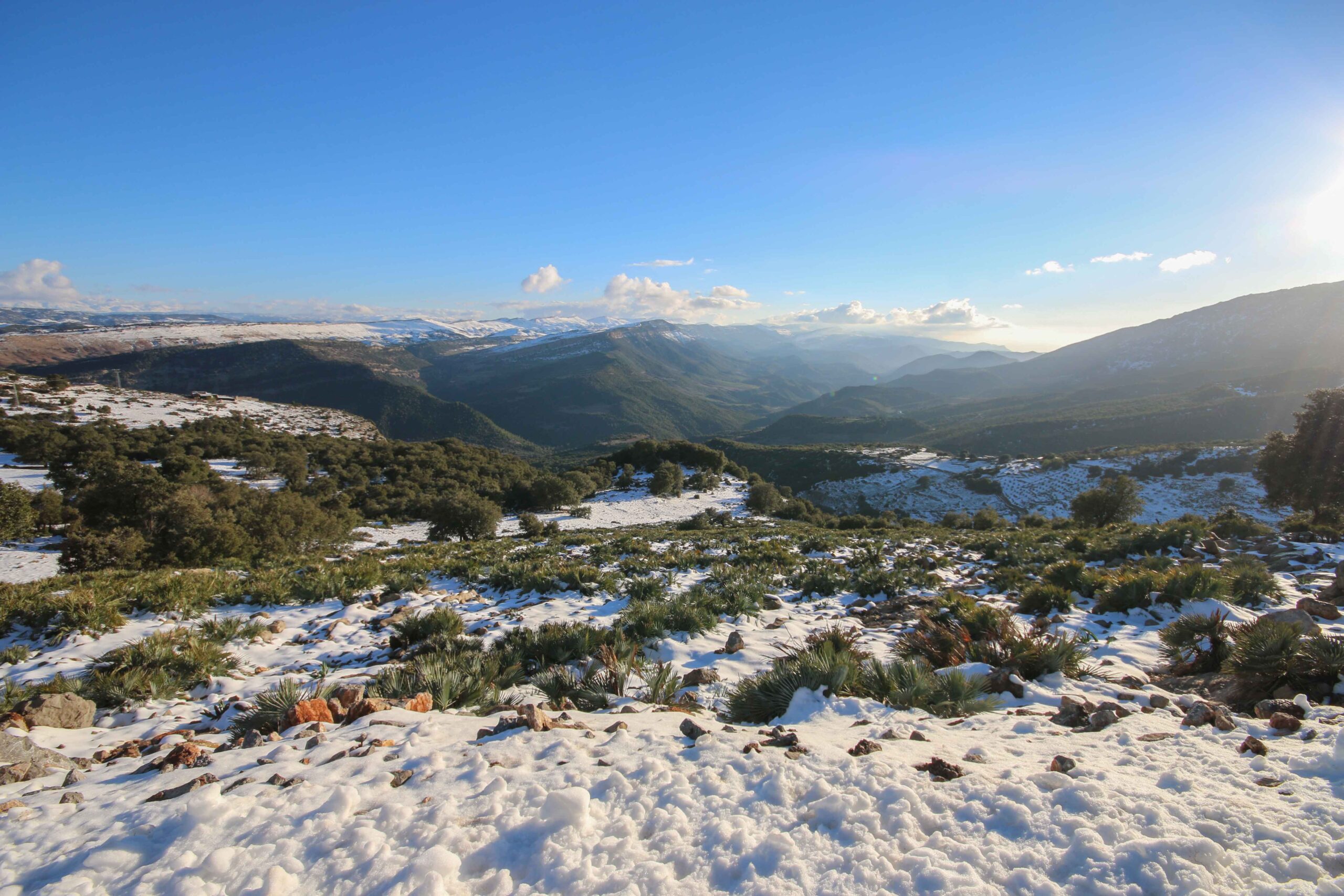
Yes, there may be rain (particularly in northern Morocco) and some of the Atlas trails are impacted by heavy snow. Oh, and desert nights in the Sahara can get chilly!
But if you’re someone who doesn’t let a bit of unpredictable weather stop you from exploring, then February in Morocco is ideal.
This solo traveller’s guide to visiting Morocco in February covers everything you need to know, from packing tips to the best places to visit and Morocco weather in February. It’s designed to help you decide if a late-winter vacation in Morocco is right for you and how Ramadan might affect your trip.
For more seasonal recommendations, check out my solo traveller’s guides to visiting Morocco in January and March.
Disclosure: This article contains affiliate links, meaning I earn a small commission when you make a purchase. Affiliate links cost you nothing and ensure my content stays free!
Why Visit Morocco in February?
✔ Comfortable temperatures
Yes, February is one of the coldest months in Morocco – it is the tail-end of winter. But it’s not freezing, unless you’re staying high up in the Atlas Mountains or spending a night in the desert. If you’re exploring the medinas of Marrakech, Fes and Rabat, you can expect comfortable temperatures. Coastal cities like Agadir and Essaouira are noticeably warmer.
✔ Fewer tourists
February is a shoulder season in Morocco, which means less crowded medinas and more room to move at architectural landmarks and museums. Personally, I think this translates to better opportunities for authentic interactions with locals and a more relaxed experience shopping in the souks.
✔ Affordable prices
Flights, hotels and tours can be cheaper in February, at least when compared to spring and autumn (Morocco’s peak travel periods). It’s not only that there are good deals to be found, but the reduced demand means you can make last-minute travel decisions without paying through the roof.
✔ Perfect for desert trips
Despite the cold, February is one of the best months for visiting the Sahara Desert. Days are usually warm and sunny – perfect for camel trekking and sandboarding down the dunes – while the nights are stunningly clear for stargazing. In the evening, you’ll be drawn to the campfire, which feels extra cosy in February.
✔ Ideal for cultural travel
If you’re focusing your February trip to Morocco on medinas, then the cooler weather is unlikely to put a damper on sightseeing. In Marrakech and Fes, there are lots of museums (usually heated) to escape into, as well as cultural experiences (cooking classes, artisan workshops) that will keep you warm and cosy. And if the skies suddenly open, retreating to a cafe for a steaming pot of mint tea is a cultural experience in itself.
Ramadan 2026
In 2026, Ramadan will take place across February and March (roughly from February 16 to March 18). This sacred month is celebrated by most of Morocco’s Muslim population and includes fasting during the day and a deepening of one’s spiritual beliefs.
Families gather after sunset to break their fasts together – participating in one of these meals is an unforgettable experience! Ramadan evenings are also quite lively as people head out after their iftar meal to stroll and reconnect with friends.
If your February visit to Morocco coincides with Ramadan, it’s important to keep in mind that restaurants, shops and cultural attractions may have reduced operating hours. So, make sure to plan ahead to avoid any surprises!
Also, visiting Morocco during Ramadan requires a certain level of flexibility in your travel plans and cultural respect. Many store and restaurant owners will pause operations for prayers throughout the day and taxis may be less available around iftar (the meal that breaks the fast).
Travellers should avoid eating and drinking in public during the day (outside of restaurants). This is a show of respect to those who are fasting. And just be patient if things move a little slower as people try and conserve their energy.
Discover everything you need to know about visiting Morocco during Ramadan as a solo traveller in my detailed article here.
February Weather in Morocco
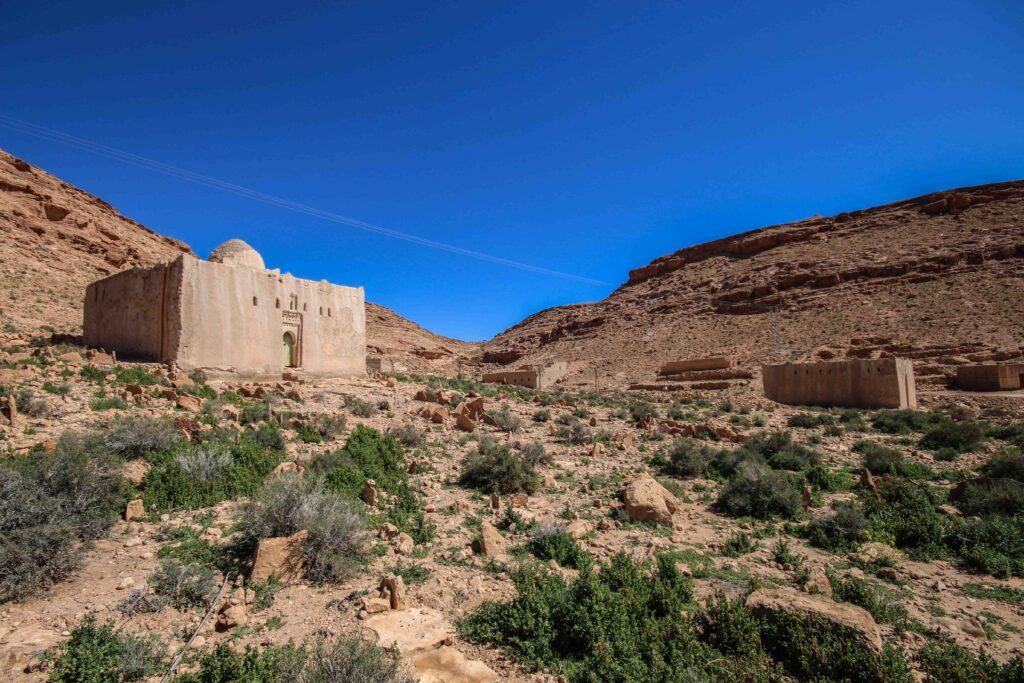
If you’re planning on visiting Morocco in February, it’s important to note that the weather varies a lot across the country. How cold is Morocco in February? It honestly depends on where you are – in the north or south, on the coast or inland. Elevation is another factor – it will be much colder in the High Atlas Mountains (expect snow) than in the foothills.
Here’s a quick overview of what you can expect when visiting Morocco in February:
Marrakech
- Day: 17–21°C
- Night: 7–9°C
- Cool mornings, warm afternoons, chilly nights.
You can learn more about visiting Marrakech in February in my detailed article here.
Fes
- Day: 13–19°C
- Night: 4–8°C
- Crisp mornings, occasional rain, chilly nights.
You can learn more about visiting Fes in February in my detailed article here.
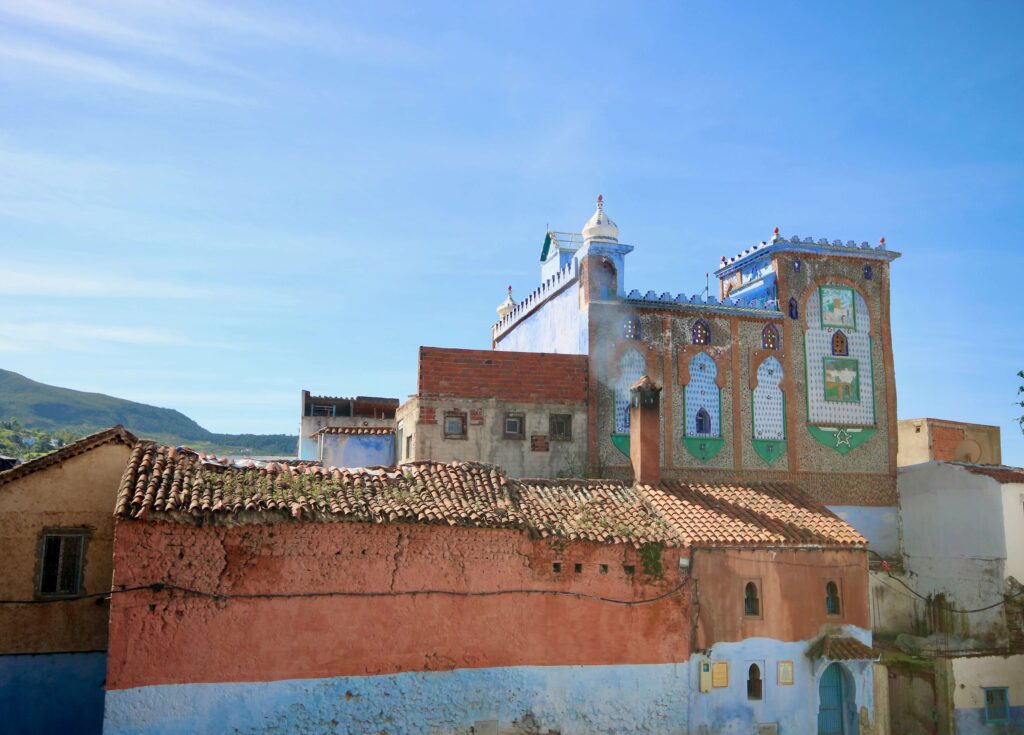
Chefchaouen
- Day: 14–17°C
- Night: 3–5°C
- Sometimes misty mornings, chilly nights.
Agadir
- Day: 20–23°C
- Night: 10–12°C
- One of the warmest destinations in Morocco in February!
You can learn more about visiting Agadir in February in my detailed article here.
Sahara Desert
- Day: 19–21°C
- Night: 5–8°C
- Warm days, chilly nights, incredible stargazing.
Atlas Mountains
- Temperatures vary depending on elevation – expect snow and minus temperatures (°C) in the High Atlas.
- Trekking is possible but may require specialised gear at higher elevations.
Solo tip:
Hiking in the Atlas Mountains is still possible in February in Morocco. I just wouldn’t advise doing any high-altitude treks (such as Mount Toubkal) unless you are experienced and equipped with the necessary gear. Solo travellers should always hike with a local guide who knows the conditions – this is mandatory for Toubkal anyway.
Best Places to Visit in Morocco in February
1. Marrakech
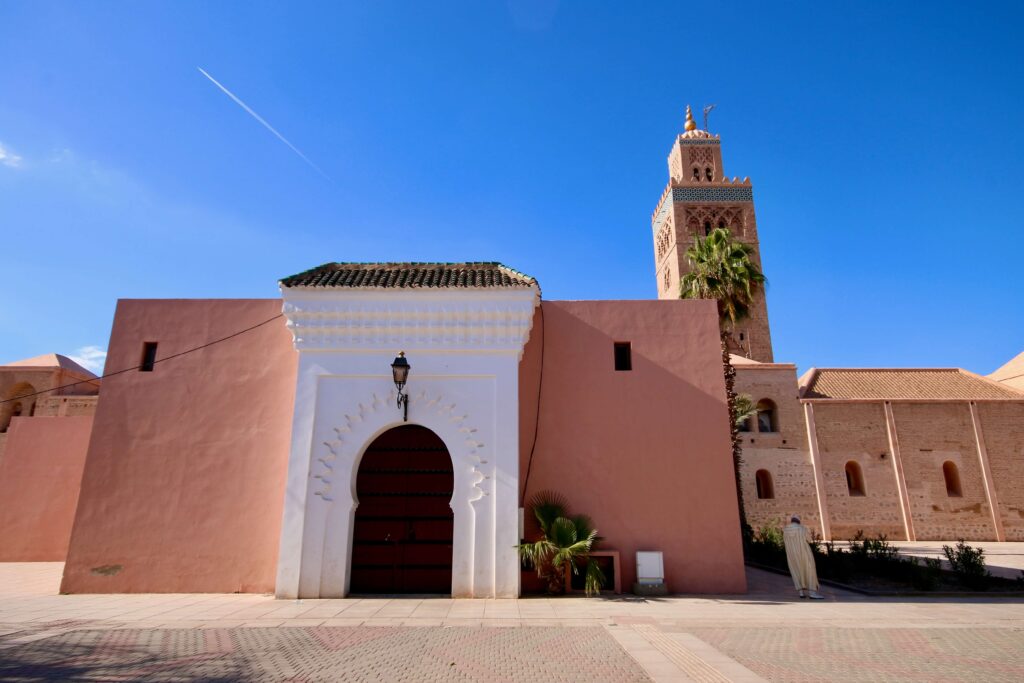
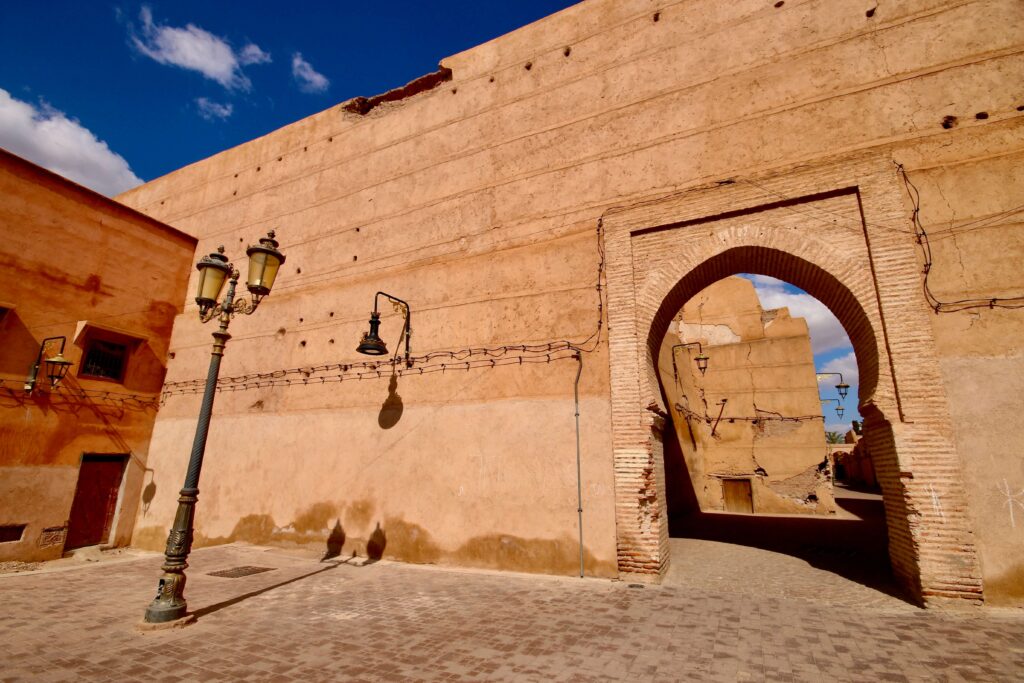
With its mild weather, sunny skies and lively atmosphere, Marrakech in February is ideal. A late-winter getaway to the “Red City” offers a wonderful opportunity for leisurely shopping in the souks, eating until you burst on food tours, and exploring the medina’s architectural sites and museums.
Discover everything you need to know about visiting Marrakech in my solo traveller’s guide.
2. Essaouira
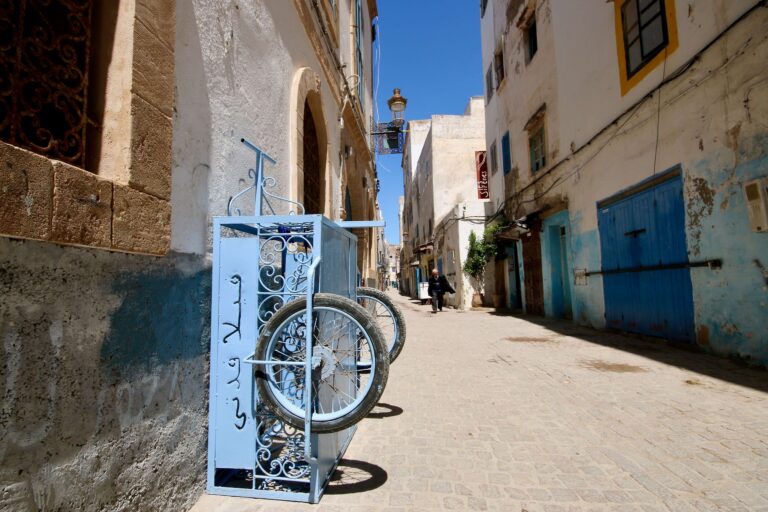
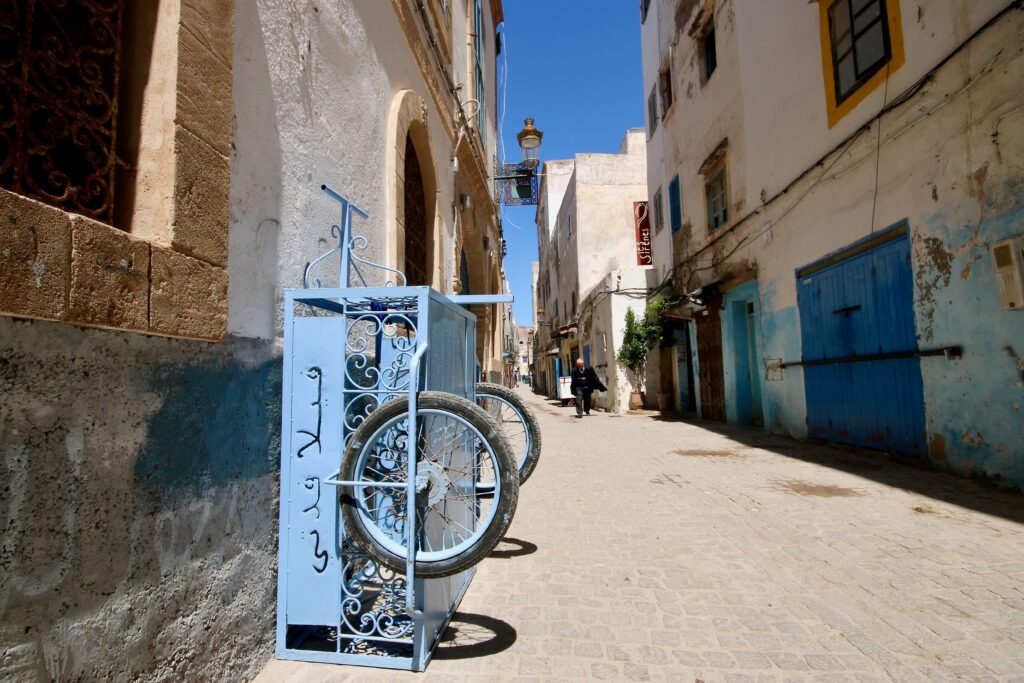
Charming and laid-back, Essaouira in February is an excellent option for solo adventurers seeking a creative getaway by the coast. It features a wonderful selection of art galleries and a vibrant cafe culture, along with picturesque countryside filled with argan oil cooperatives. The Atlantic Ocean may be too cold for swimming, but leisurely walks on the beach are still on the cards.
Discover the best things to do in Essaouira for solo travellers in my detailed guide.
2. Agadir
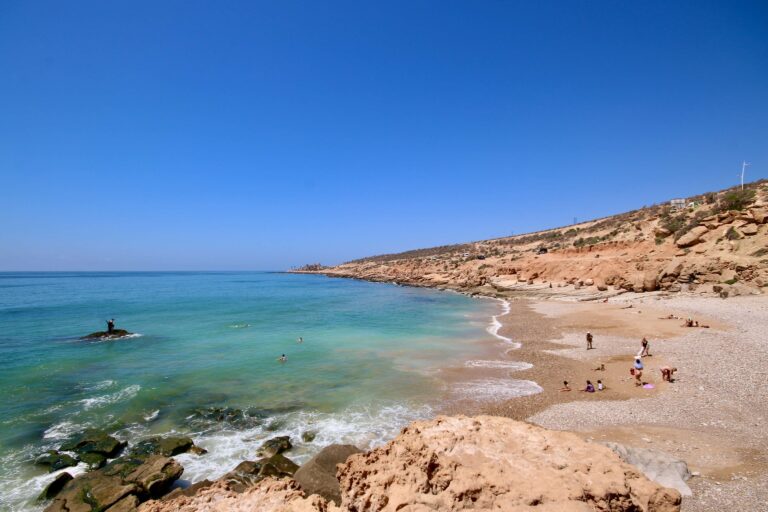
While February in Agadir may not offer the ideal conditions for a quintessentially hot Moroccan beach vacation, it’s the perfect destination for a warm winter escape. You can spend your days shopping in Souk El Had, exploring Agadir’s earthquake museums and dining alfresco at the sun-drenched seaside restaurants.
Discover everything you need to know about visiting Agadir in my solo traveller’s guide.
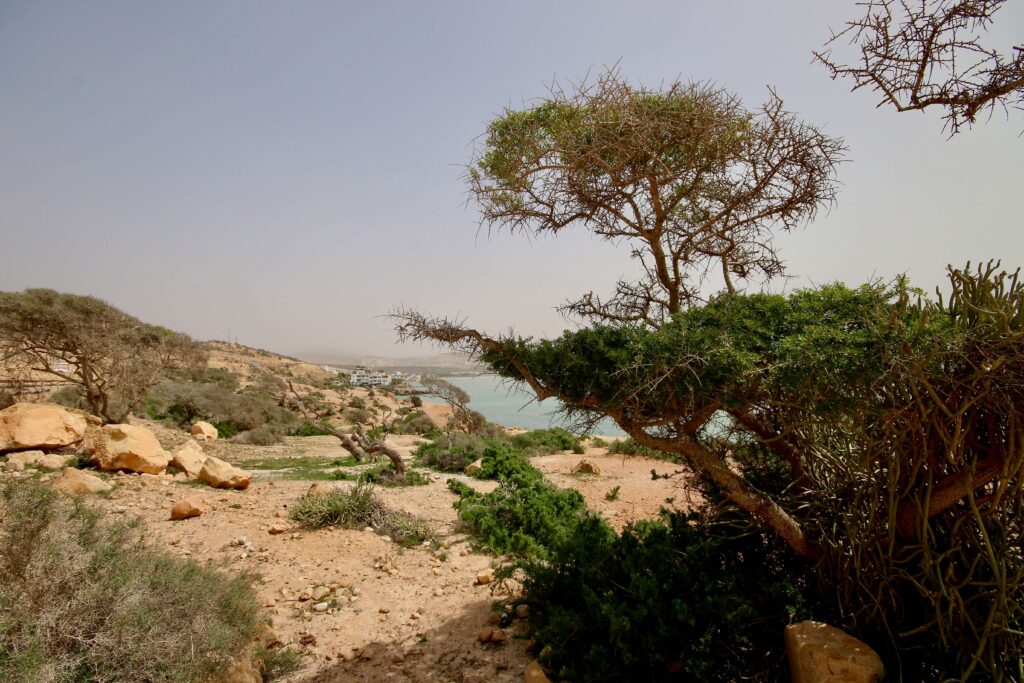
4. Chefchaouen
Late winter is one of the coldest months to visit Chefchaouen, but also one of the most atmospheric times of the year in the “Blue Pearl”. The mornings are crisp before the sun penetrates the medina, which is far quieter than during the rest of the year. I love that you can escape into the Rif Mountains on easy hikes before returning to the warmth of a fireside lounge at your riad.
Discover everything you need to know about visiting Chefchaouen in my solo traveller’s guide.
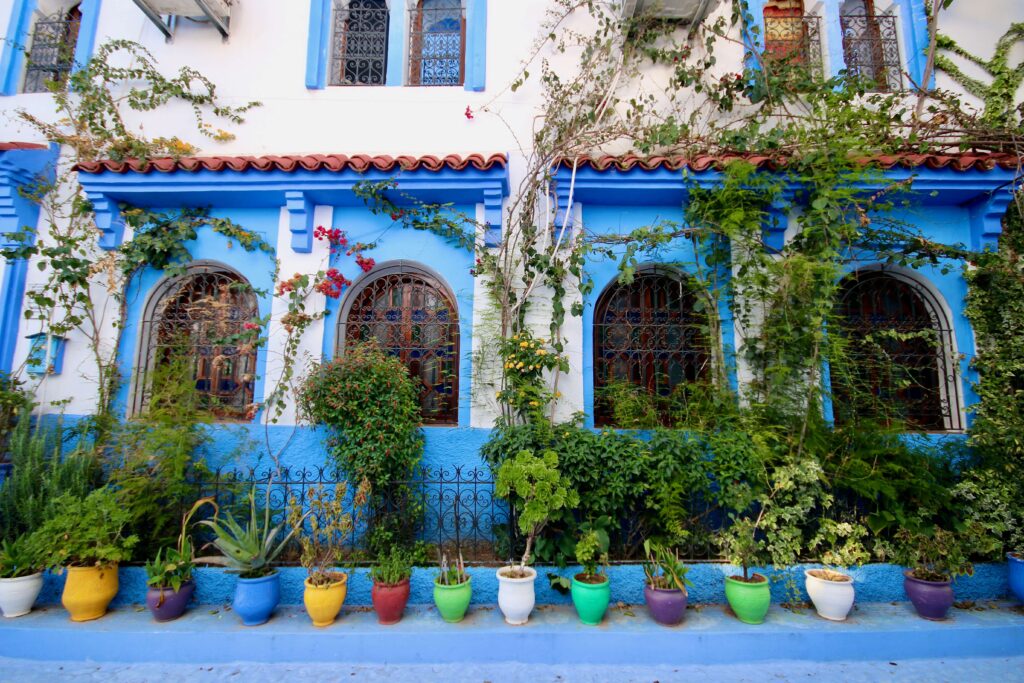
5. Fes
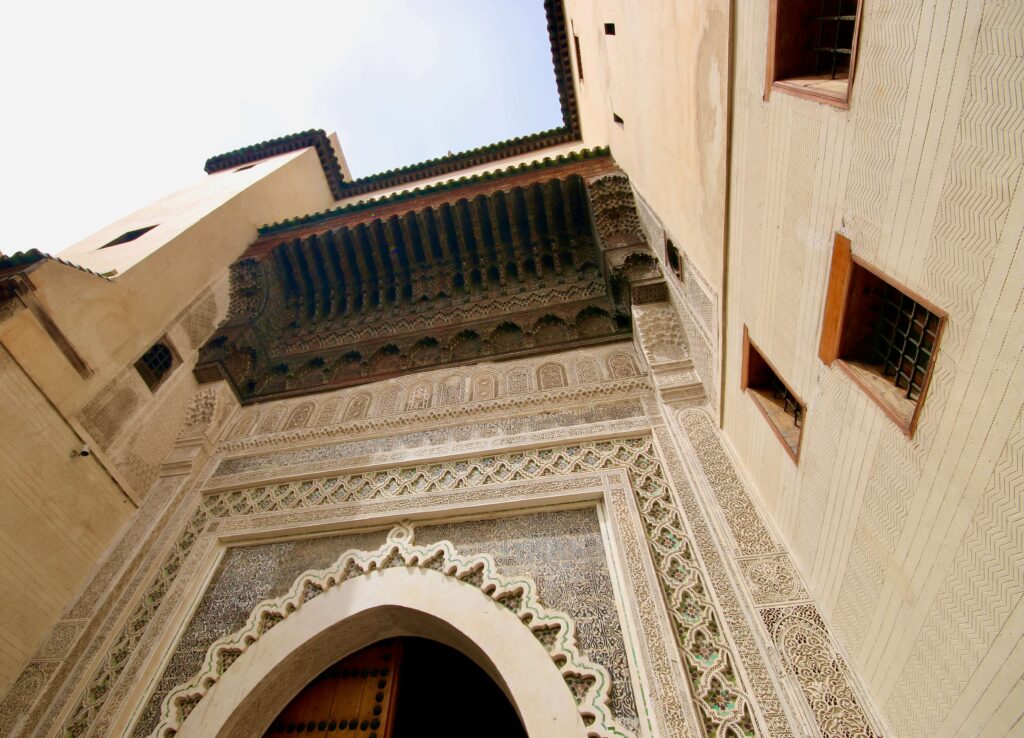
The smaller influx of tourists to Fes in February makes the typically bustling medina easier to navigate. This is an ideal time for culture enthusiasts, as there is more space to explore the madrasas and the museums are much more laid-back. Additionally, shopping in the souks is less frantic, which is great if buying leather items and handwoven rugs is among your top priorities in Fes.
Discover everything you need to know about visiting Fes in my solo traveller’s guide.
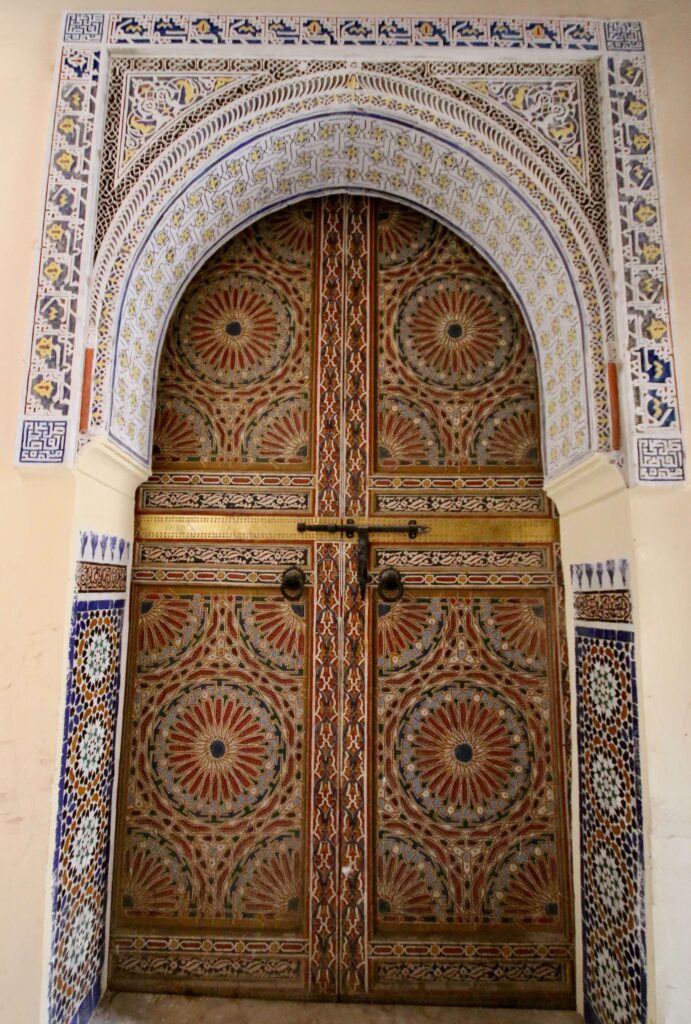
6. Tafraoute
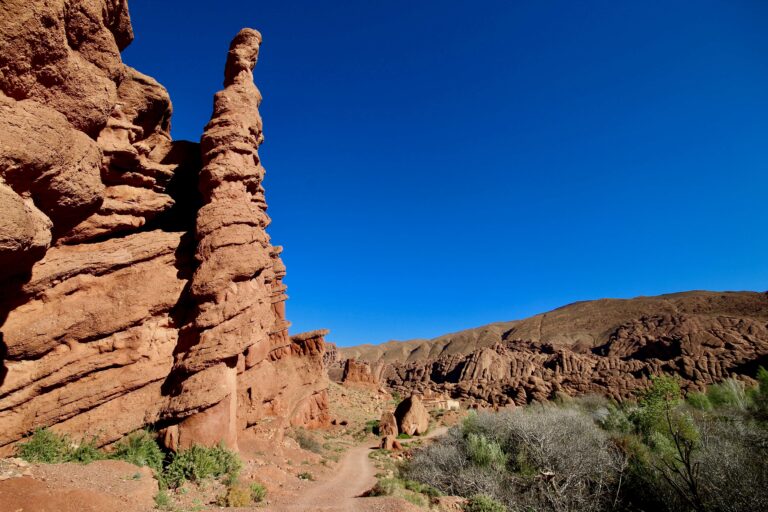
Every February, the Amazigh town of Tafraoute in southern Morocco holds its annual almond harvest celebration. Alongside music and dance shows, you can browse handmade crafts and taste delicious almond treats, including nougat and pastries. The adjacent “Valley of the Temples” offers plenty of chances for hiking among stunning, ochre-hued mountains.
Discover everything you need to know about visiting Tafraoute in my detailed travel guide.
7. Sahara Desert
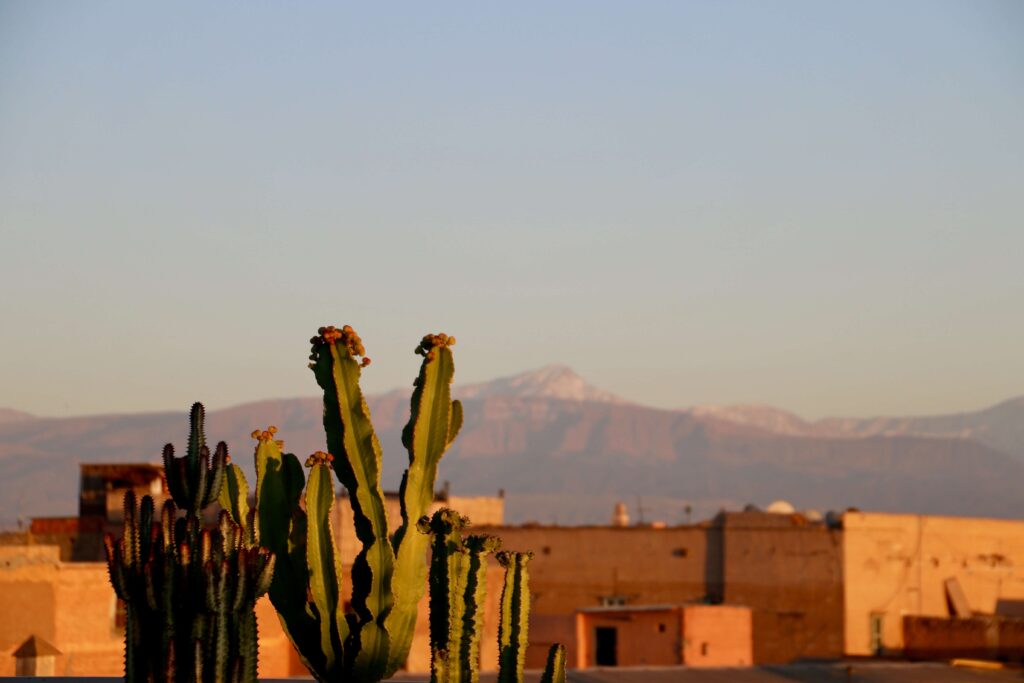
If you’re worried it might be too cold to visit the Sahara Desert in February, think again. Camel treks and desert camps continue to run as normal – February is a much more favourable time to explore the Sahara compared to the peak summer months! The crisp, clear skies offer amazing stargazing opportunities, and with shorter daylight hours, you won’t need to stay up late to enjoy the skies at their best.
Discover everything you need to know about travelling solo to the Sahara in my detailed guide here.
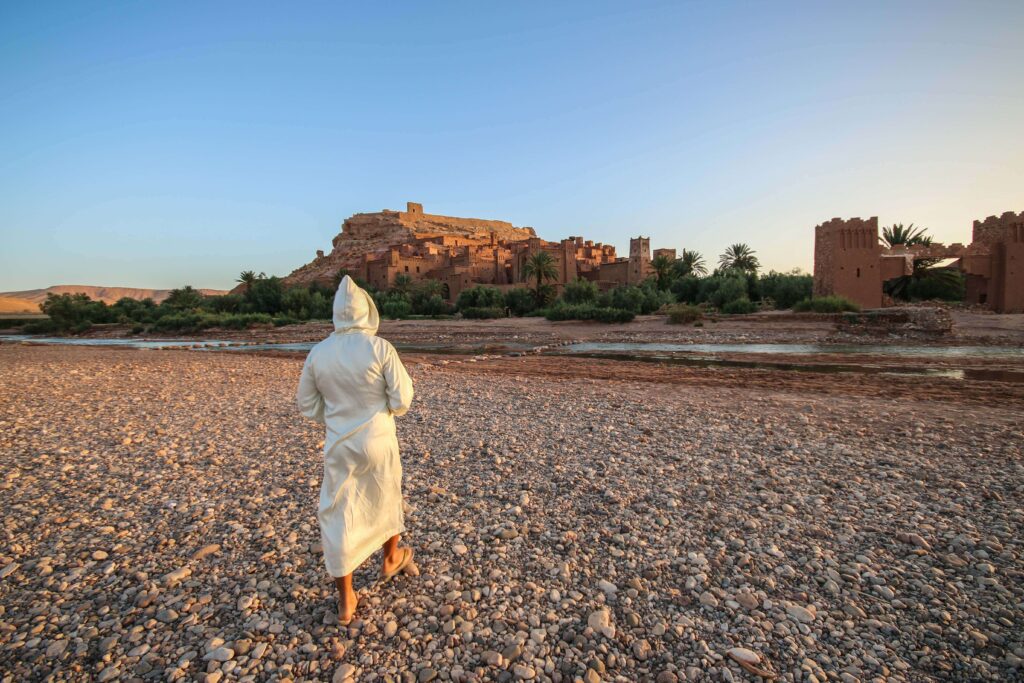
One of the easiest ways to visit the Sahara Desert as a solo traveller is on a guided tour (search for small-group experiences). They’re relatively affordable and most stop at other fascinating destinations along the way, such as the ancient ksar of Ait Benhaddou and the dramatic gorges of Dades and Todra.
Solo Travel Safety in February
Morocco is generally safe for solo travellers (you’ll find more safety advice here). But it’s important to note that Morocco winter travel does bring some unique considerations:
✔ Early sunsets
The sunsets roughly between 6:30 and 7:00 pm in February in Morocco. If you’re not comfortable walking around after dark, plan your activities accordingly.
✔ Desert and mountain temperatures
Nights are very cold – choose highly-rated camps and eco-lodges with adequate bedding and fireplaces to congregate around at night.
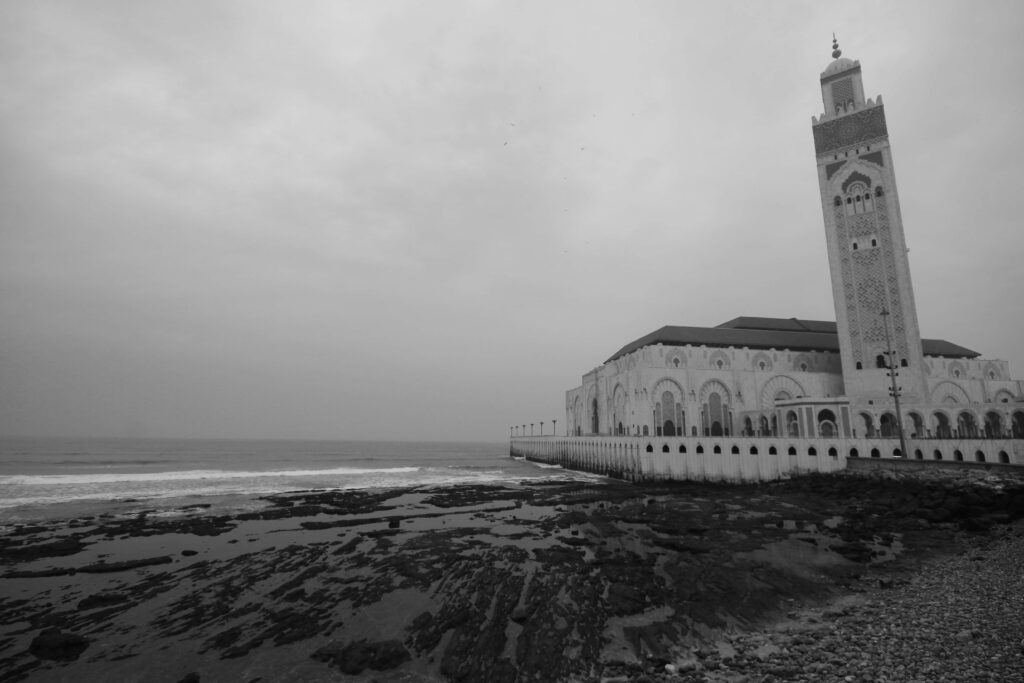
✔ Rain in northern cities
Rainfall is common in northern Morocco in February – bring a waterproof jacket and good walking shoes with adequate grip for exploring the medinas.
✔ Fewer taxis during Ramadan
Taxis may be less readily available around sunset during Ramadan as drivers head home to break their fast with families. Plan your travel accordingly!
Staying warm during Moroccan winters:
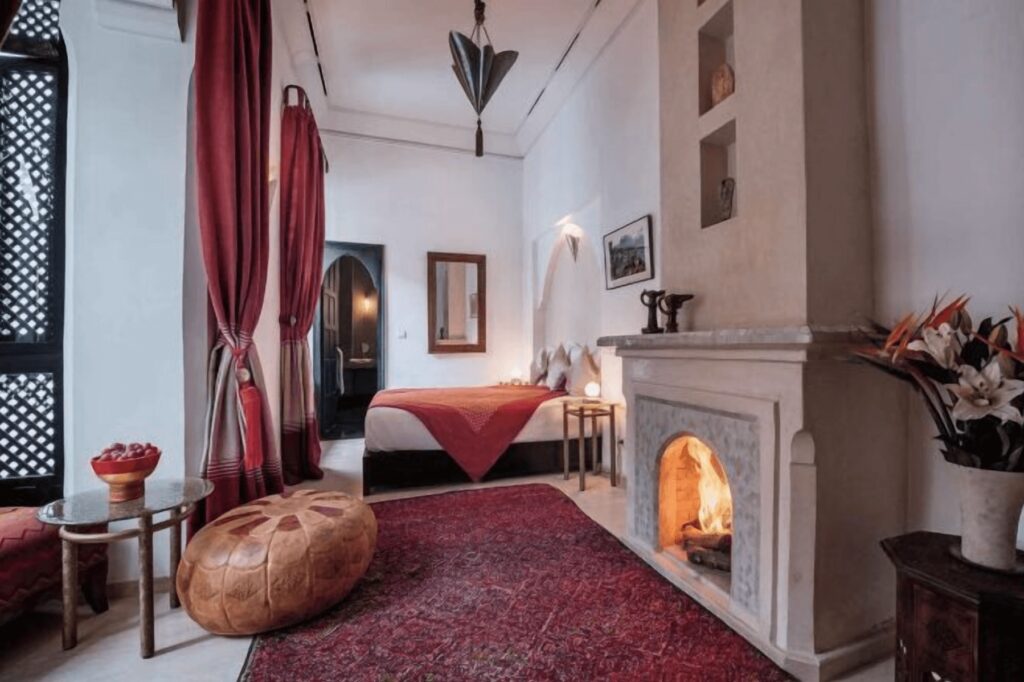
One of the things I love most about travelling in Morocco during the winter is snuggling up next to a riad fireplace at night. Be sure to check out some of top picks in Marrakech!
However, not every Moroccan hotel comes equipped with fireplaces, and some, especially those on the cheaper side, may lack heating altogether. If you’re travelling on a tight budget, it’s wise to do some research before committing (reading reviews can be helpful).
That being said, the warmth of Moroccan hospitality ensures you won’t be left shivering – they will simply give you lots of blankets so you can create a cosy cocoon!
What to Pack for Morocco in February
Wondering what to pack for Morocco in February? In my experience: layers, layers and more layers!
It can be wonderfully warm when the sun comes out in the midday and bitterly cold at night if you’re in the desert or Atlas Mountains.
Broadly speaking, pack for mild days and cold evenings:
Essential things to pack for a winter trip to Morocco
- Warm jacket or fleece
- Layers (t-shirts + sweaters)
- Lightweight sweaters
- Comfortable pants and maxi skirts
- Closed-toe walking shoes
- Scarf (great for added warmth + mosque visits)
- Rain jacket (especially for the north)
What to pack if you’re visiting Morocco’s desert in February
- Thermal layers
- Warm socks
- Beanie + gloves
- A windproof jacket
What to pack if you’re visiting Morocco’s southern coastline in February(Agadir/Essaouira)
- Light sweater
- Long trousers and skirts
- A warm layer for evening strolls
- Bathers for swimming
Top tip:
If you’re going to surf in Morocco in February, you’ll need a wetsuit. Unless you really want to bring your own, save your luggage space and rent one from a local surf shop. They’re really cheap and are sometimes included in surfboard rental packages.
Top Things to Do in Morocco in February That are Solo-Friendly
- Participate in a cooking class in Marrakech to learn about Moroccan cuisine
- Hop between Essaouira’s art galleries and museums
- Get hands-on with an artisan workshop in Fes
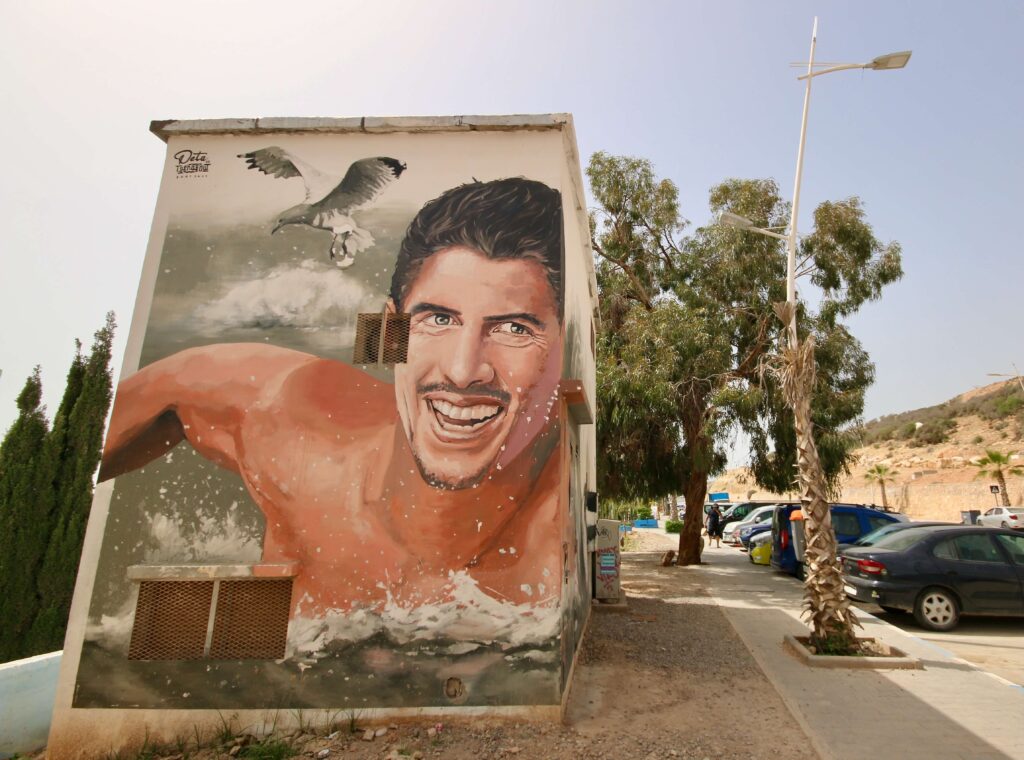
- Enjoy the crowd-free streets of Chefchaouen’s blue medina
- Ride the high-speed Al Boraq train from Casablanca to Tangier
- Warm up with a hammam (local or spa-like)
- Soak up the sun during a surf and yoga retreat in Taghazout
- Relax fireside after hiking in the foothills of the Atlas Mountains
Pros and Cons of Visiting Morocco in February
✔ Pros
- Fewer tourists
- Comfortable temperatures
- Lower prices
- Great for cultural experiences – Ramadan 2026!
- Fantastic for solo travellers wanting a calm experience
✘ Cons
- Cold nights
- Rain in some regions
- Shorter daylight hours
- Snow may limit mountain trekking
- Reduced operating hours during Ramadan
Is February a Good Time to Visit Morocco as a Solo Traveller?
Personally, I think February is a fantastic time to explore Morocco! It’s not scorchingly hot, the crowds are thinner at popular attractions and there’s the cosiness of fireplace relaxation at night.
Late February 2026 will be a particularly wonderful time to visit Morocco for culturally curious travellers. Ramadan will begin in the middle of the month and sees the daily rhythm of life change across the country.
Yes, travelling in Ramadan requires you to be more flexible with your travel plans. But I think the rewards and cultural insights are more than worth it!
If you’re envisioning a Morocco of hot days and warm nights, February might not be for you. It can be blissfully sunny in the middle of the day (perfect for comfortable sightseeing), but temperatures do drop noticeably after dark. And, generally speaking, it’s not lazing on the beach weather.
That being said, southern Morocco’s coastline is the exception – Agadir is among the warmest places to visit in Morocco during February. You could sneak in a late-winter beach escape here if the weather gods are in your favour!
If you’re dreaming about discovering Morocco without the heat, the crowds or the high-season prices, February is the perfect month. Just be sure to bring layers and schedule your sightseeing around the limited daylight hours, and you’ll have an amazing solo adventure in Morocco.

PLAN YOUR TRIP WITH MY FAVOURITE RESOURCES:
Find hotels via Booking
Book tours and attractions via Viator or GetYourGuide
Find a rental car via Discover Cars
Book flights via Kiwi or Booking
Search for buses and trains via 12Go or Omio
Get travel insurance via SafetyWing
Buy a digital eSIM with Airalo
By purchasing through my links, you’ll be supporting my website at no additional cost to you
-
Is December a Good Time to Visit Morocco? A Solo Traveller’s Guide
December in Morocco is a bit of a mixed bag. It can be crisp, sunny days beneath snow-dusted mountains. Or it can (as 2025 taught us during the AFCON tournament) be grey skies and heavy rainfall. If the last 10 years in Morocco has taught me anything, it’s that December is a month of contrasts:…
-
Is November a Good Time to Visit Morocco? A Solo Traveller’s Guide
If you’re considering a solo trip to Morocco in November, you’re looking at one of the country’s most underrated months. In my opinion at least! There’s usually a bit of a lull in tourist numbers following the idyllic weather of early autumn and before the influx of people who arrive at the end of December. …
-
Is October a Good Time to Visit Morocco? A Solo Traveller’s Guide
If you’re planning a solo trip to Morocco, October is considered by many people to be one of the best months to go. And I have to agree! The intense summer heat has eased and the Sahara once again becomes accessible. Oh, and the Atlantic waters are still warm enough to swim if you’re craving a…
-
Is September a Good Time to Visit Morocco? A Solo Traveller’s Guide
If you’re planning a solo trip to Morocco and debating when to go, September might be the sweet spot you didn’t know you were looking for. The extreme heart of summer is beginning to fade and peak-season crowds are starting to thin out. But the ocean’s still warm enough to swim and the desert’s becoming…
-
Is August a Good Time to Visit Morocco? A Solo Traveller’s Guide
If you’re considering a solo trip to Morocco in August, you’ve probably got one big question on your mind: Is it too hot? The honest answer: it depends on where you go and what kind of experience you’re looking for. Personally, August isn’t one of my favourite months to be in Morocco. But that’s because…
-
Solo Travel Morocco: Dealing with Harassment and Street Attention
One of the most searched questions about solo travel in Morocco (particularly from women) isn’t about riads, souk shopping or desert tours. It’s about harassment and catcalling in the street. I’ve experienced it personally and I know how upsetting it can be. It makes you feel unsafe (even when it’s not malicious) and it stops…

I’m Malika, an Australian-born travel writer with an intense love for Morocco. I first travelled here solo in 2014 and after meeting (and marrying) a local, I made this North African gem my home.
Over the last 10 years, I have explored the country extensively, travelling to all corners with my partner, friends and solo.