
What I Wish I Knew Before Travelling Solo in Morocco
While I’m now married to a local and live part-time between Morocco and Australia, the first time I visited was as a solo traveller. I’ve also travelled independently to all corners of Morocco in the years since – I just solo adventures!
I could tell you that I was one of those people who had dreamed about travelling to Morocco for years. But that would be a lie.
As with many of my expeditions abroad, I had become obsessed with the idea of Morocco just a couple of months beforehand.
So I hatched a plan to fly into Casablanca, spend a few weeks exploring and then be on my way. Spoiler: that’s not what happened.
Honestly, there wasn’t a lot of expectation (or planning) around that first trip. I flew into Mohammed V International Airport, got on a train to Marrakech and was sweating my way through the “Red City” (it was August) within a few hours.
I’ve learnt soooooo much in the 12 years since and looking back, there are several things I wish someone had told me before I boarded that flight.
One, that I was going to fall in love. Two, that I would become obsessed with surfing. And three, that I wouldn’t leave Morocco after just a few weeks as it would become my new “home”.
In reality, I mean practical advice that would have helped me avoid awkward/uncomfortable situations, saved me money and allowed me to connect more readily with the local culture.
In this article, I aim to do just that – share a few things I wish I knew before travelling solo in Morocco to make your trip that little bit easier.
Wondering if you can travel easily around Morocco without speaking French or Darija? Check out my tips and advice here.

Disclosure: This article contains affiliate links, meaning I earn a small commission when you make a purchase. Affiliate links cost you nothing and ensure my content stays free!
Morocco Is Incredibly Welcoming….and Intense!
Moroccans are some of the warmest and most hospitable people I’ve met…and I’ve travelled to more than 100 countries around the globe.
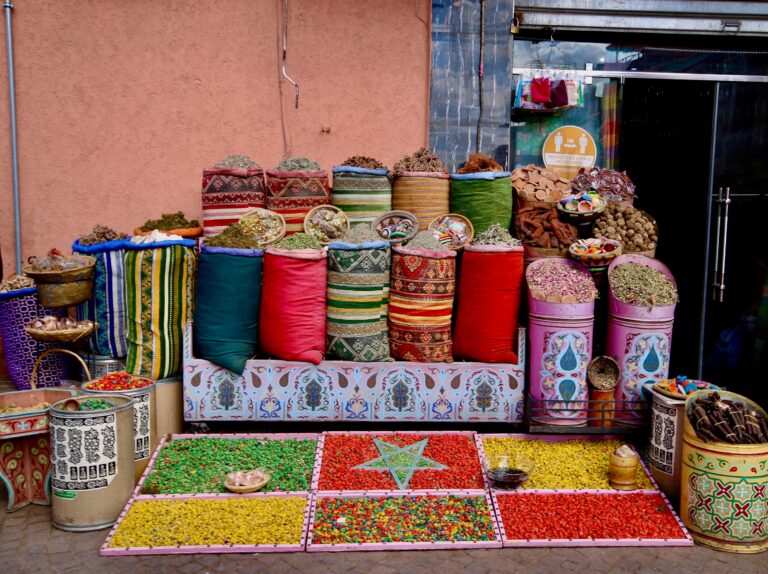
In Morocco, I’ve been welcomed into strangers homes for meals, given free Darija lessons by fellow train travellers and gifted extra bunches of herbs from souk vendors during my weekly produce shop.
Many locals genuinely enjoy connecting with visitors – asking where you’re from, if you’re married and what you think of their country.
At the same time, the constant activity in Morocco can be overwhelming, especially in major cities and especially when everything is happening in a language you might not understand.
And the attention you may receive in places like Marrakech, Fes and Tangier can be….well…a lot!
Some solo female travellers report being verbally harassed or made to feel uncomfortable by Moroccan men. Unfortunately, this does happen in some places (Marrakech was the worst for me), but it’s almost non-existent in others (I can’t remember it ever happening in Rabat).
At the end of the day, this is men trying to impress other men, and the best thing you can do is ignore them. This may be easier said than done, particularly if you’re feeling vulnerable as a solo traveller. But try not to let it intimidate you or ruin your holiday – these men really don’t deserve your energy.
If you do feel unsafe or scared, let someone know. Most Moroccans are ashamed of the behaviour exhibited by some of their countrymen and if you call it out, they will likely act in your defence.
That being said, the attention can feel exhausting, so be gentle on yourself and retreat to your riad if you need some time out.
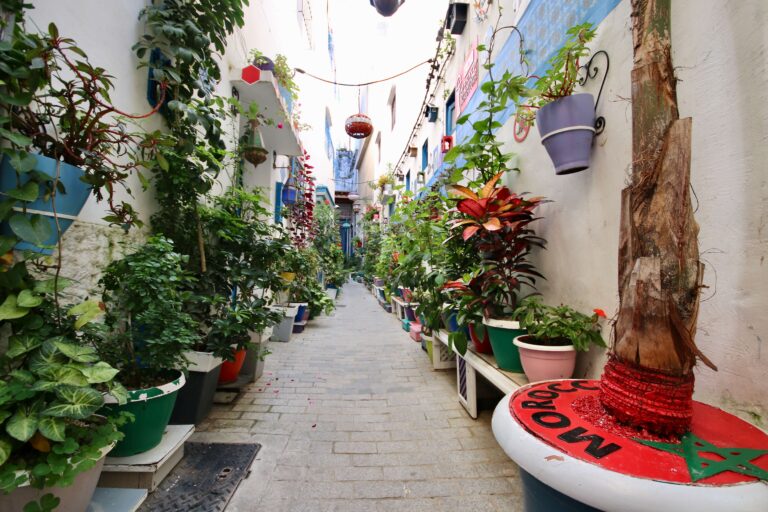
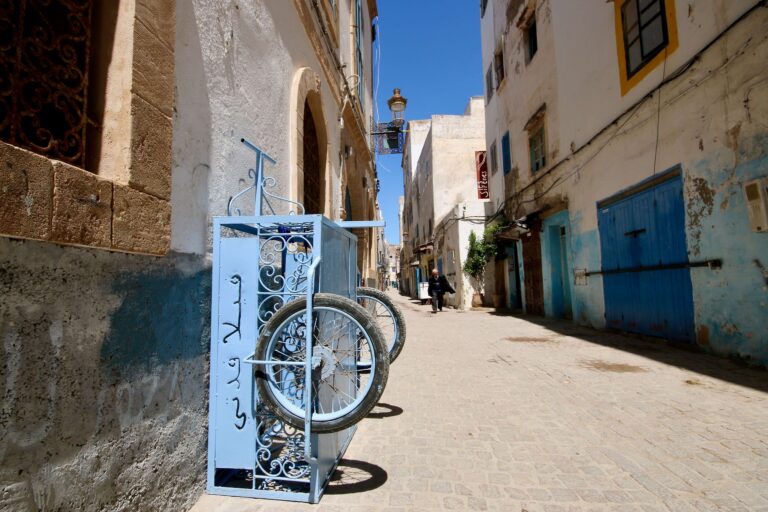
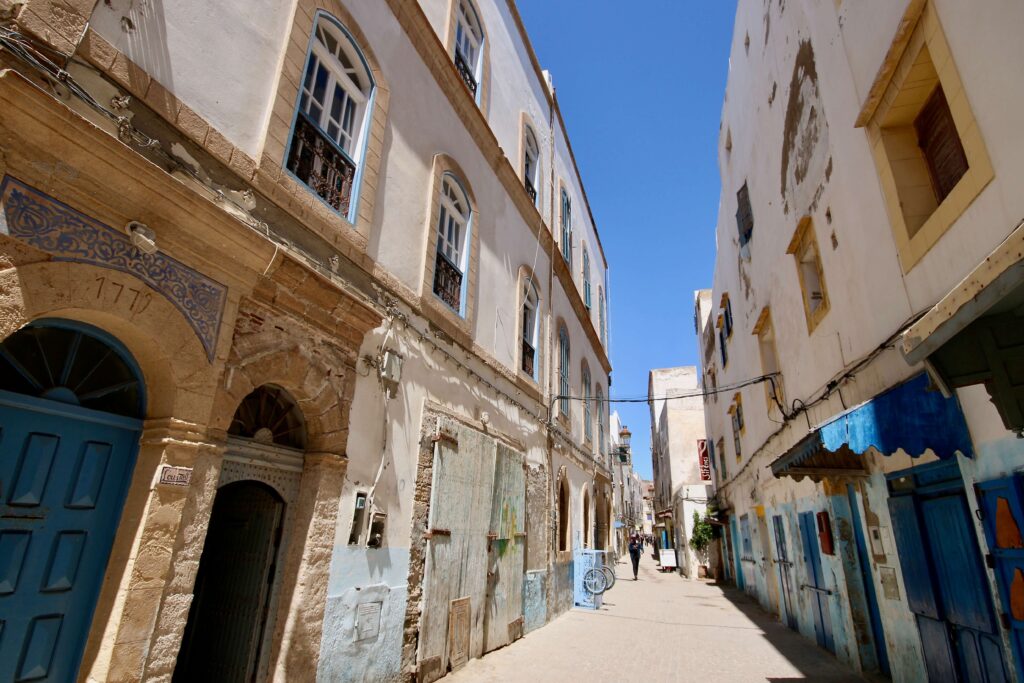
Getting Lost Is Part of the Experience
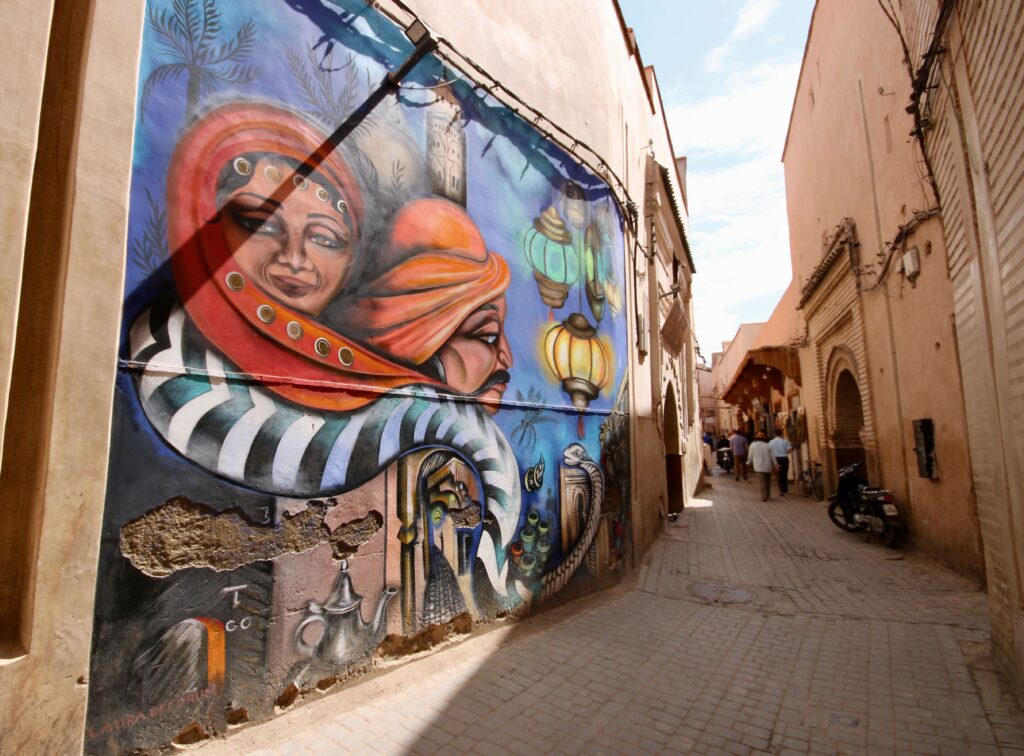
When I first visited the sprawling medinas of Fes and Marrakech, I was constantly worried about getting lost. As a side note, this was before it was commonplace to use an offline map on your smartphone for getting around.
As I walked, I would be scouring for identifying landmarks that would help me find my way back at the end of the day. Understandably, I wasn’t willing to follow my curiosity down a side lane or venture off the beaten tourist track, just in case I got lost.
Eventually, I learned that getting lost is almost unavoidable…and it often leads to the most memorable moments and unexpected discoveries.
And in reality, there’s always someone around who can point you in the right direction, provided you actually know where your riad/hotel is or the name of the neighbourhood.
With an offline map on your smartphone, there’s much less at stake if you do get a little lost. That being said, the winding streets of Morocco’s medinas can stump even the most tech-savvy navigation apps.
In my experience, they don’t always give you a 100% accurate location…but it’s close enough!
To be on the safe side, I recommend taking a screenshot/photo of your riad’s name and address. Also, keep an eye out for real-life landmarks that will guide you back to where you need to be. It’s travelling the old-school way!
For example, last time I stayed in Marrakech near the Ben Salah Mosque and every local I asked knew where that was.
Dress Modestly and You’ll Feel More Comfortable
Morocco is modern in many ways and I would consider it to be quite open-minded when it comes to the behaviour and dress of tourists.
Yes, it is a predominantly Islamic country. But many of the “conservative” expectations are directed at Moroccans themselves, not tourists. In reality, you can wear whatever you want and nobody is going to reprimand you for it.
That being said, I do think it’s respectful to dress modestly in Morocco, particularly outside of tourist-dominated areas. In smaller towns and villages, elders in the community may not be accustomed to seeing a lot of skin…and the attention you receive won’t be favourable.
Truth be told, I always feel much more comfortable when I dress modestly in Morocco – I blend in better and know I’m not causing offence.
What does this mean? It means wearing clothes that cover my shoulders and knees. To be clear, this dress code applies to both men and women! Opt for clothes that aren’t overly tight fitting and avoid revealing a lot of cleavage.
Women don’t have to wear a head covering – it’s purely optional and you’ll see a lot of Moroccan women who don’t. The only exception is if you’re visiting Casablanca’s Hassan II Mosque – one of the only mosques open to non-Muslims in Morocco.
The Train System Is Better Than You Think
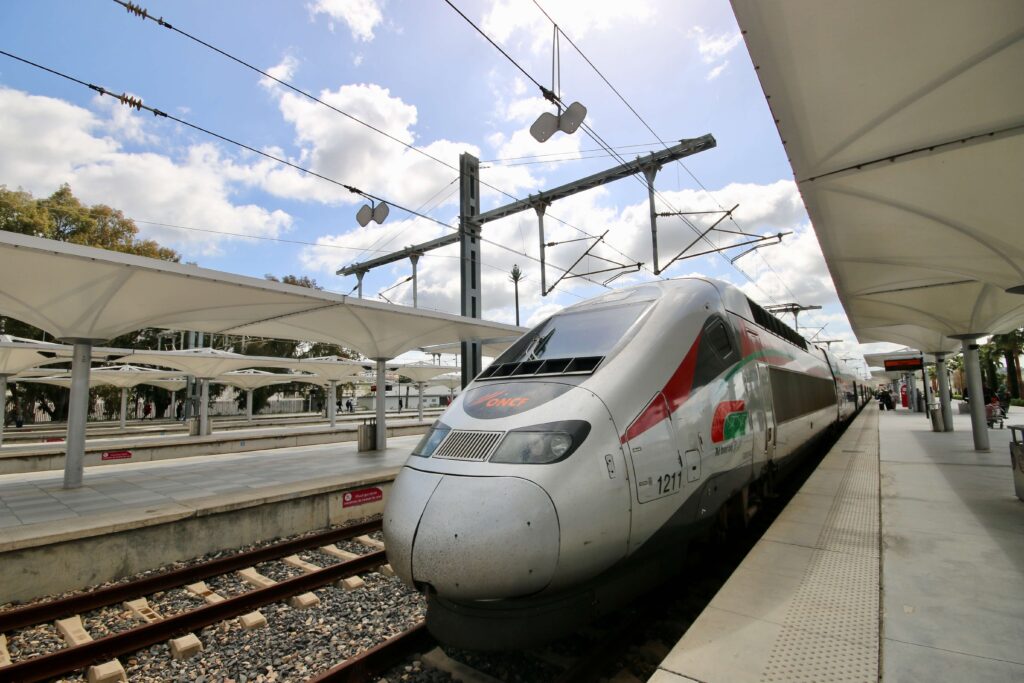
Honestly, one of my biggest surprises in Morocco was how efficient and comfortable the trains are.
It’s really easy to travel by train between major cities in the north and the rail system extends as far south as Marrakech. If you’re travelling to Essaouira or Agadir, however, you’ll need to take a bus.
I’ve travelled all over Morocco by train, from Casablanca to Fes, from Marrakech to Rabat and from Kenitra to Tangier aboard the high-speed Al Boraq.
This is the first high-speed train network in Africa. On my trip, we were reaching speeds of more than 300 km/h. Not only is it really fast, but the interiors are comfortable and clean.
Even if you’re riding regular Al Atlas trains on a second-class ticket, the standard is pretty high. There’s reserved seating (so you know you have a seat) and luggage storage areas at the end of each carriage.
And if you only want the best, you can upgrade to a first-class ticket for a little more space and a slightly quieter experience.
Trains tend to be a little more expensive than buses in Morocco. But I usually opt for them over buses as you avoid city traffic.
As a side note, the quality of buses in Morocco is also really good, particularly if you stick to companies like CTM and Supratours.
The main downside of Moroccan trains (and this applies to buses too) is that the stations aren’t usually in the city centre. So you’ll need to catch a petit taxi or take a local bus to reach your accommodation at the other end.
For more information about getting around Morocco by train, check out my solo traveller-friendly guide here.
Cash Is Still King…and ATM Fees Can Be Expensive!
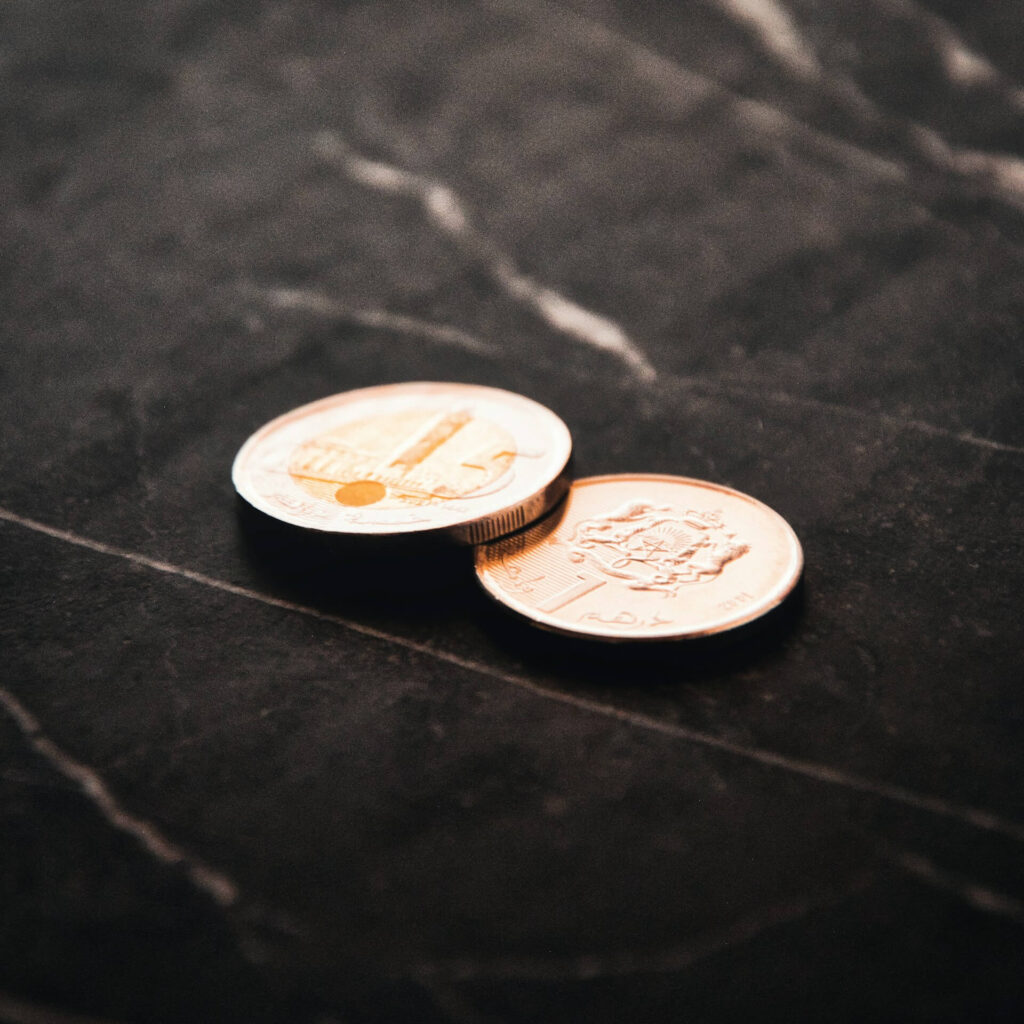
While card payments are becoming more common in Morocco, many small businesses, souk stalls, local cafes and taxis still operate primarily with cash. And in Morocco, money centres around the Dirham.
On the one hand, this is a bit of a nuisance, as you always need to be carrying some cash, just in case. But on the other hand, it’s kind of nice to be connected to the local currency in a physical form.
I’ve travelled recently to countries where cards are so widely accepted that I didn’t withdraw cash the entire trip. At the end, I felt a little sad that I hadn’t held those paper notes and counted out those gazillion coins that always get left in my wallet (because I panic about what they’re worth every time I go to pay!)
So while I would encourage you to withdraw cash during your Morocco trip, it’s worth shopping around for a low-fee ATM. Sometimes, the fees are really high – I’ve noticed it primarily at ATMs in popular tourist areas, such as Marrakech’s Djemaa el-Fnaa.
The good thing is that most ATMs disclose the fees before processing the transaction, so you can decline and go elsewhere if it’s too much.
I try to use ATMs that are in more “local” areas and outside touristy medinas – the fees for international transactions are often lower.
Top tip:
The Moroccan Dirham is a closed currency and it can’t (legally) be exchanged outside of the country.
What does this mean for solo travellers? You need to convert any leftover Dirham you have before flying home…unless you’re keeping it as a souvenir.
Not Every “Helpful” Stranger Is Being Charitable
One lesson I learned relatively quickly in Morocco is that unsolicited help sometimes comes with expectations. This is not always the case, but it does happen, most notably for me in the medinas of Marrakech and Fes.
Someone might tell you you’re “going the wrong way” (without actually knowing where you’re going). In doing so, they put doubt in your head as to whether you’re going the right way or not!
In the midst of your disorientation, they’re right there to help. If you follow them, they might take you to where you need to go and ask for a “tip” or they’ll lead you somewhere you don’t want to be at all.
My advice in situations like this is to reply politely with a “no, thank you” and keep walking (confidently) in the direction you’re headed.
If you do start to doubt where you’re going, ask a nearby shopkeeper instead. They’ll usually provide directions free of charge, just as most Moroccans will if you approach them!
I’ve also had a situation where I arrived on the edge of the Marrakech medina by taxi and before I could get to my luggage, a porter had thrown it into his trolley and was power-walking ahead in the direction of my riad. Initially, I presumed that the riad had sent him.
But when I caught up, he asked for 20 Euros for taking my bags 50 metres, even though we had never exchanged a word or agreed to this.
If someone offers to guide you through the medina, lead you to your hotel/riad or show you a hidden attraction, there is a good chance they’ll expect payment in return. And payment for services is valid.
But I would argue that this should be agreed ahead of time to ensure everyone is on the same page.
Unfortunately, this doesn’t always happen in Morocco and some people will take advantage of your disorientation, particularly if they can see you are a “new arrival”.
Always take your time to assess the situation. Don’t be forced into doing anything or following anyone if you’re not sure about it. And always come to an agreement over the price beforehand.
I also want to clarify that the majority of Moroccans won’t expect anything from you monetarily if you ask them for help. In my experience, most people are community-minded and looking out for others is part of their culture.
It’s Worth Being Adventurous with Food
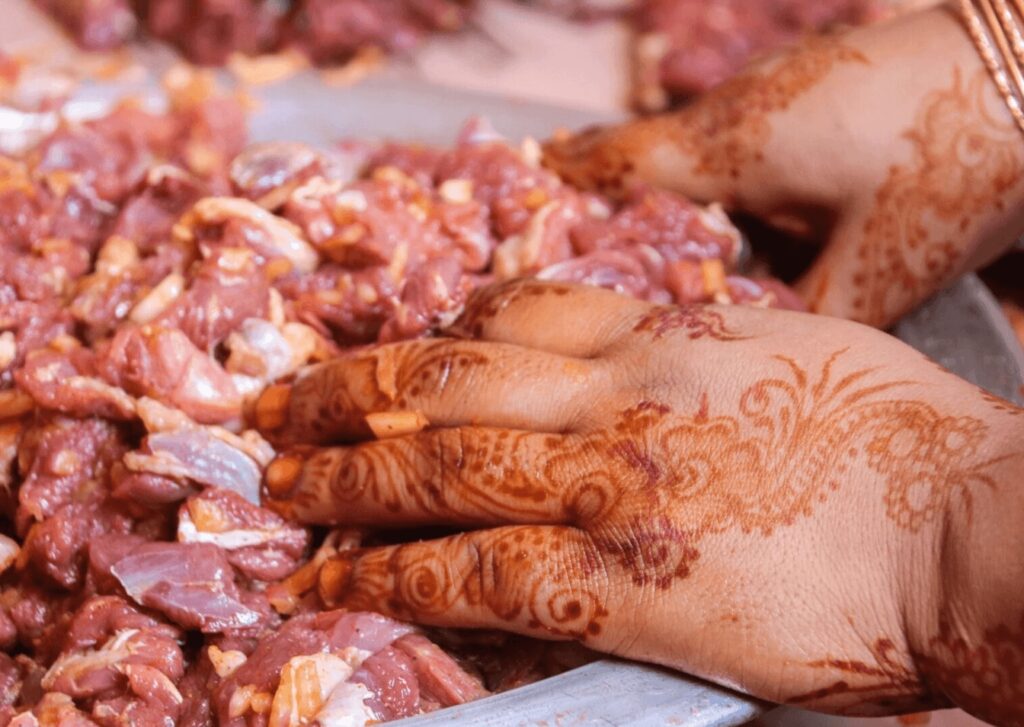
Yes, you should try a tagine (in fact you should try lots)…and couscous (particularly after Friday prayers). And you’ll have a hard time leaving Morocco without sampling a trillion cups of mint tea – it’s everywhere!
But some of the best dishes I’ve had in Morocco aren’t the ones that appear all over travel blogs.
I’m talky smoky eggplant zaalouk, flaky pastilla and one of my personal favourites, sardines grilled over coals at the beach with a salad of diced tomatoes, onions and coriander on the side. It’s Moroccan summer in a mouthful!
If you’re someone who’s adventurous with food, Morocco will reward you.
In fact, I’d recommend taking a cooking class or a street food tour early on in your trip to expand your palate – you’ll discover sooooo much beyond couscous and tagines.
At the same time, the diversity of tagines on offer shouldn’t be overlooked – the word refers to the clay cooking vessel, rather than the ingredients themselves. So you can find tagines with chicken, mutton, goat and fish, as well as lots of vegetarian/vegan versions.
Everyone makes their tagines differently – different spice combinations and different veg.
So each one is a new experience and there’s no doubt you’ll have that “this is the best tagine I’ve eaten in Morocco” moment. Mine was a fish tagine I had at Souk El Had in Agadir – sooooo delicious!
For more culinary inspiration, check out these 10 Moroccan dishes you should try while visiting the country.
Embrace the Unpredictability
Travelling solo in Morocco has definitely challenged me, but it has also delivered some of the best travel experiences I’ve ever had.
I’ve discovered so much about generosity from my interactions with locals and broadened my knowledge exponentially about the Islamic faith – there’s so much to learn about life when we’re open-minded.
If I could go back and give myself one final piece of advice, it would be this: embrace the unpredictability and remember that the most meaningful experiences often happen when things don’t go according to plan.
I hope these insights arm you with a bit of extra knowledge before you touch down in Morocco and contribute to what I’m sure will be an unforgettable adventure.
PLAN YOUR TRIP WITH MY FAVOURITE RESOURCES:
Find hotels via Booking
Book tours and attractions via Viator or GetYourGuide
Find a rental car via Discover Cars
Book flights via Kiwi or Booking
Search for buses and trains via 12Go or Omio
Get travel insurance via SafetyWing
Buy a digital eSIM with Airalo
By purchasing through my links, you’ll be supporting my website at no additional cost to you
-
Can You Travel Solo in Morocco Without Speaking French or Arabic?
If you’re travelling to Morocco with friends or family, chances are someone will have a few words of French or Arabic up their sleeve. And if you’re joining a guided tour, you’ll have a local guide to act as your Darija or Tamazight (Amazigh) translator. But what if you’re travelling independently (and solo) and know…
-
How Many Days Do You Need in Morocco? Solo Travel Itinerary Ideas
“How many days do I need in Morocco?” is a question I get a lot…and it’s not easy to answer. Morocco is one of those countries where you can spend a long weekend exploring a single city or several weeks travelling the length and breadth of the country. Take your pick! But if I’m talking…
-
Morocco Solo Travel FAQs + Honest Answers
After travelling around Morocco for the last 10+ years, I think it can be an incredibly rewarding country to explore independently. Public transport is great, there’s a huge variety of experiences on offer and the cultural insights are endlessly fascinating. That said, it might not be the easiest country for solo travellers, particularly if we’re…
-
How to Handle Unwanted Attention in Morocco Respectfully
Something that always saddens me when reading through Morocco travel forums is the number of people who report receiving unwanted attention in the country. While there are always people who respond saying this didn’t worry them or that it was on par with what they’ve experienced in other countries, there are enough people who feel…
-
Using SIM Cards and Mobile Data in Morocco: A Solo Traveller’s Guide
When I first started travelling in my early 20s, smartphones didn’t exist and the internet was still incredibly expensive to access. I remember paying 2 USD per minute to check my emails in Cuba! It was the era of “Lonely Planet”. Almost everyone bought/borrowed one of these legendary guidebooks and they were a mainstay of…
-
The Unexpected Lessons Morocco Has Taught Me
I came to Morocco looking for adventure and, if I’m being honest, to tick another country off my bucket list. Back in 2014, I booked a one-way ticket expecting to whizz around the country for a few weeks before continuing on to South America. I’d travelled around Southern Africa, East Africa and West Africa before,…

I’m Malika, an Australian-born travel writer with an intense love for Morocco. I first travelled here solo in 2014 and after meeting (and marrying) a local, I made this North African gem my home. Since that time, I have explored the country extensively, travelling to all corners with my partner, friends and on my own.
Morocco is an incredible destination and one that I think everyone who has the “travel bug” should experience. The scenery is spectacular, the medinas are enchanting and the locals are among the friendliest (and funniest) people I’ve ever met.
I also know that Morocco can feel intimidating for first-time solo travellers, especially given the amount of conflicting advice shared online. That’s why I’ve created this guide: to provide practical, balanced, and up-to-date advice based on my own experiences. My hope is that it helps you travel with confidence and enjoy everything this extraordinary country has to offer.