Should You Visit Morocco During Ramadan? The Dos and Don’ts for a Respectful Trip
Visiting Morocco during Ramadan can be one of the most memorable cultural experiences a solo traveller can have. But if I’m being honest, it can also come with challenges and uncertainties.
Personally, I love Ramadan in Morocco – the changing rhythm of daily life, the communal meals and the energised evenings.
But I also remember feeling some trepidation during my first year in Morocco. As a non-Muslim, was it respectful for me to be travelling in Morocco during Ramadan and would it be difficult logistically?
If you’re planning to visit Morocco solo and wondering whether Ramadan is a good time to go, this article is for you. It explains what you can expect and how to travel respectfully (and stress-free) around the country.
Want to learn about more cultural festivals in Morocco? Check out my detailed article here.
Disclosure: This article contains affiliate links, meaning I earn a small commission when you make a purchase. Affiliate links cost you nothing and ensure my content stays free!
What is Ramadan?
Ramadan is the ninth month of the Islamic calendar, during which Muslims fast from sunrise to sunset. It’s a period of reflection and spiritual renewal, as well as community and charity.
I remember asking my husband many years ago if he enjoyed Ramadan, expecting him to say “no” due to the fasting aspect (he likes to eat!). But in fact, he said it was a month he genuinely looked forward to. After experiencing my first Ramadan with him, I understood why.
In Morocco, Ramadan deeply influences daily rhythms – mealtimes shift, shops adjust their opening hours and energy-intensive activities are postponed until after sunset. But it also brings people together and encourages them to reaffirm their commitment to faith.
For visitors, the month offers a unique window into Morocco’s traditions and community spirit, even if you are not taking part.
What to Expect When Visiting Morocco During Ramadan
1. Adjustment in mealtimes
During Ramadan, Muslims fast from sunrise to sunset, which (understandably) affects mealtimes.
Rather than three meals a day, most families will rise in the early hours for their first meal. Then, they will have their second following the Maghrib adhan at sunset.
Are tourists expected to fast during Ramadan in Morocco?
No, there is no expectation that you fast. But it’s respectful to avoid eating or drinking openly in the street during daylight hours.
Instead, eat inside cafes/restaurants catering to tourists or at your hotel/riad. Also, be patient with restaurant service – staff may pause periodically to perform prayers or to break their fast at the end of the day.
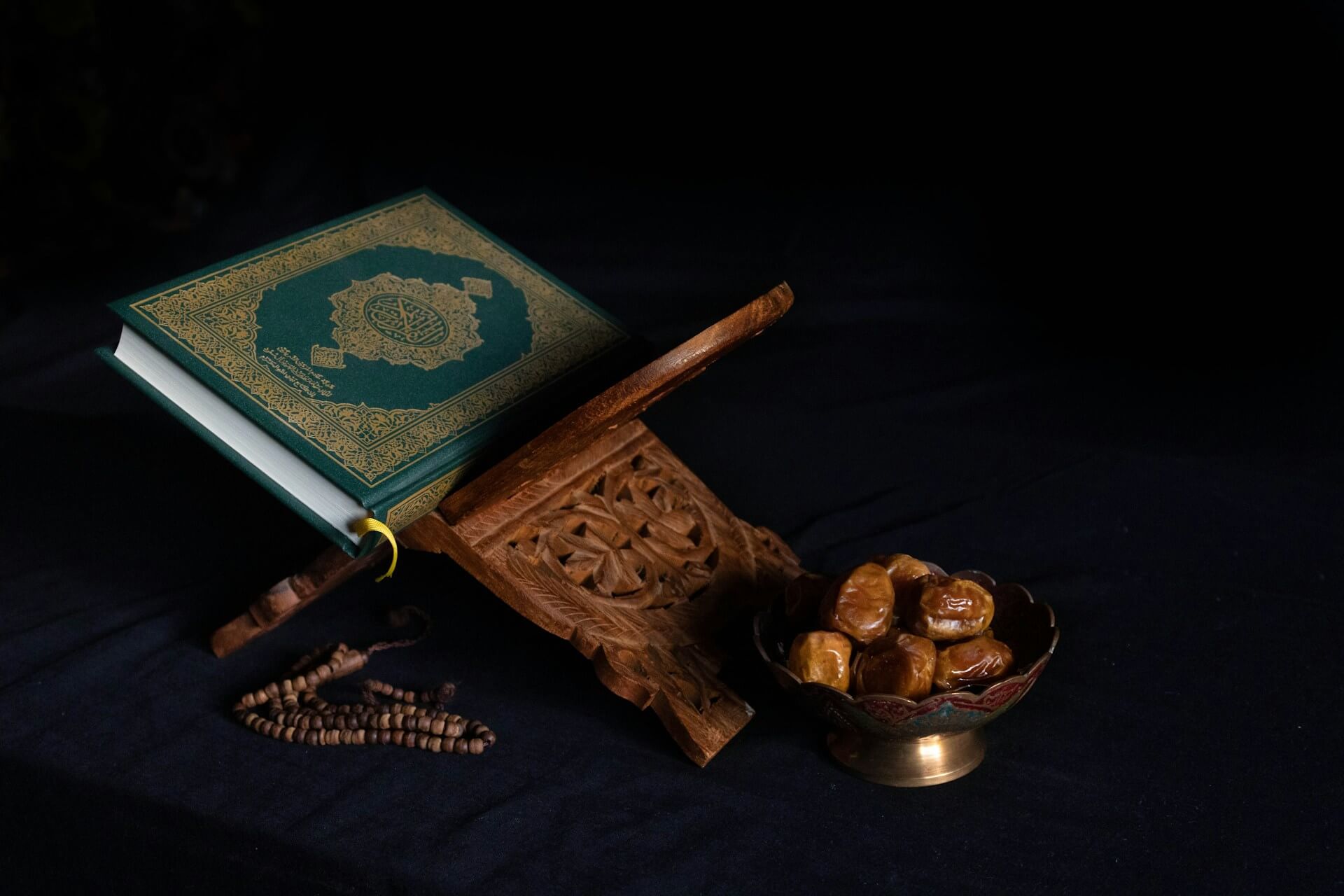
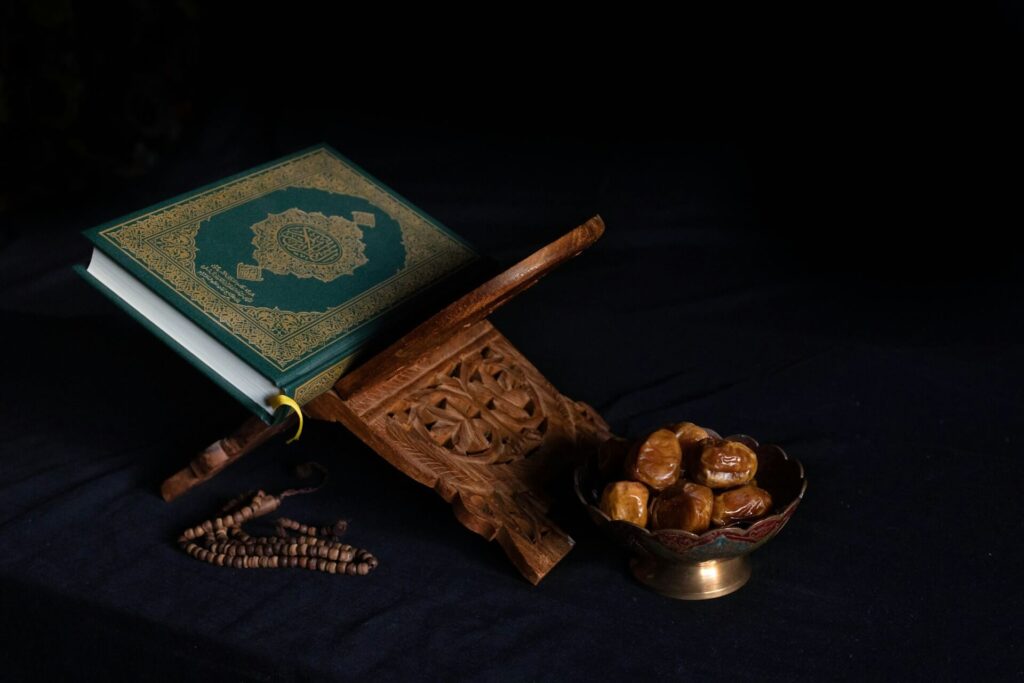
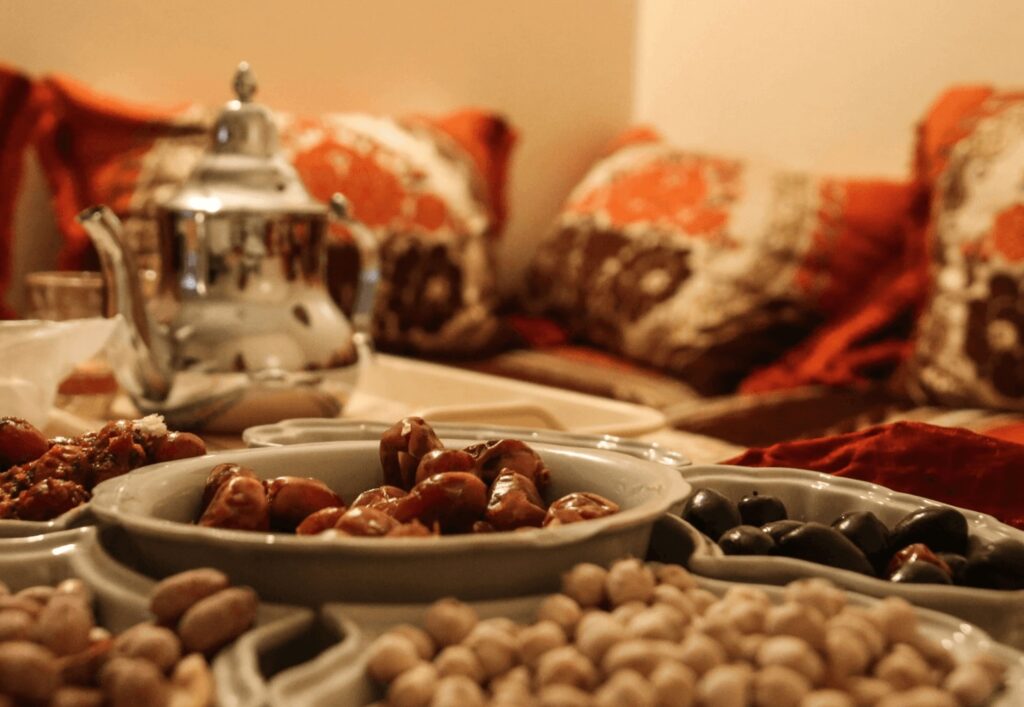
If you’re invited to Iftar (the meal that breaks the fast), I’d highly encourage you to go. It’s a wonderful cultural experience that usually begins with dates (to boost blood sugar levels) and includes plenty of mint tea.
Traditional Moroccan foods served during Ramadan include:
- Harira (a hearty Moroccan soup)
- Tagine (slow-cooked with chicken, mutton or fish)
- Fried fish
- Meat kebabs
- Chebakia (honey-coated pastries)
- Avocado smoothies
2. Modified opening hours
Because the majority of Morocco’s population is fasting during Ramadan, there are changes to the operating hours of many businesses.
There is no hard and fast rule – some businesses will open as usual while others will close periodically during the day as owners head to the mosque to pray.
- Restaurants, especially in smaller towns, may close during the day as there is no demand from locals. Tourist restaurants in bigger cities will likely stay open and hotel/riad dining usually remains unaffected.
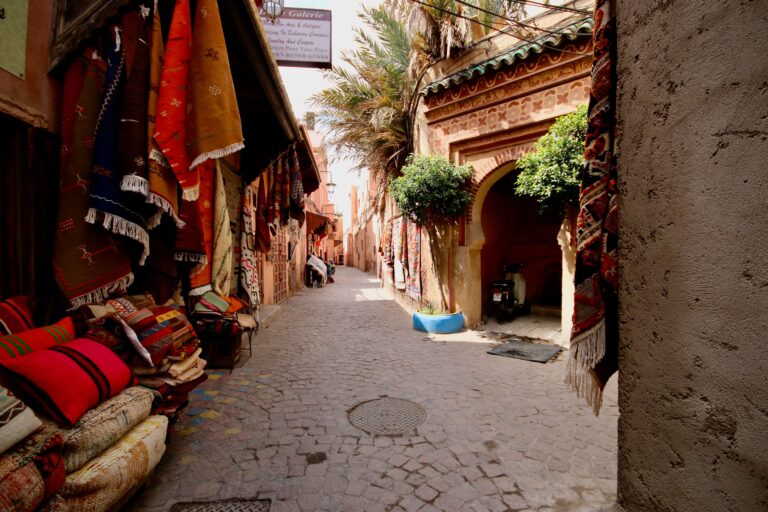
- Shops and souks may have reduced opening hours during Ramadan. Some might open their doors later than usual, while others will close in the late afternoon. Often, they will reopen after Iftar (the meal breaking the fast).
- Museums and attractions may have shorter opening hours, allowing staff to return home for iftar and to spend time with family/friends.
Essentially, travelling to Morocco during Ramadan doesn’t mean you will miss out on experiences (museums, restaurants and shopping). It just means you may need to plan ahead and be a little more organised.
When deciding on your daily itinerary, check opening hours online (social media pages are a good place to start). That way, you won’t miss out on bucket-list attractions.
3. Energised nights
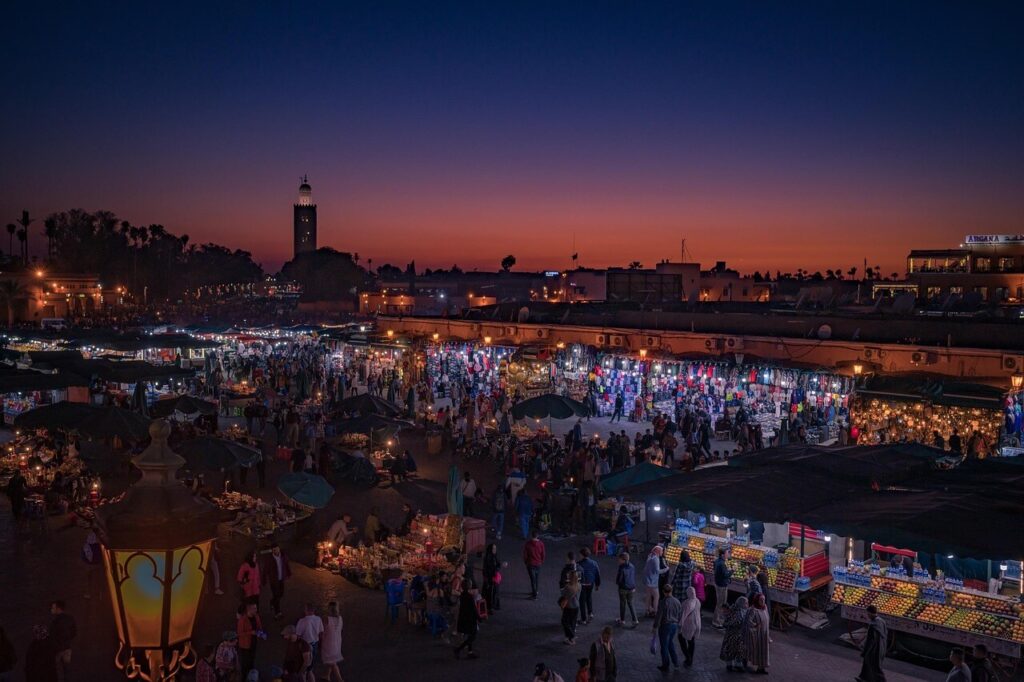
During Ramadan, daytime may feel quiet in the medinas and locals might work at a slower pace to conserve energy. But once the fast is broken in the evening, cities and towns transform completely:
- Families celebrate iftar with huge spreads – neighbours and friends are often invited to join.
- Cafes come to life following the iftar meal as people head out to socialise.
- Streets often stay lively well into the night and souks open extended hours.
For many travellers, this festive nighttime atmosphere is a highlight of visiting Morocco during Ramadan. It feels celebratory and shows that the holy month is not just about religious observance but also community spirit.
4. Changes in transport and services
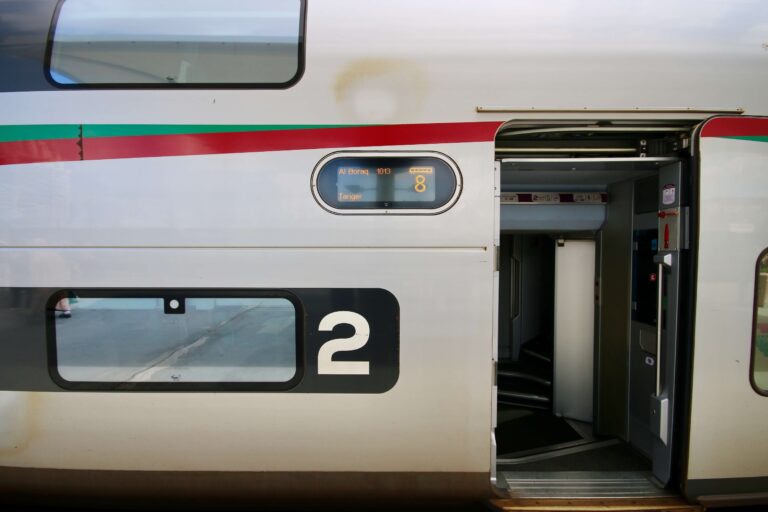
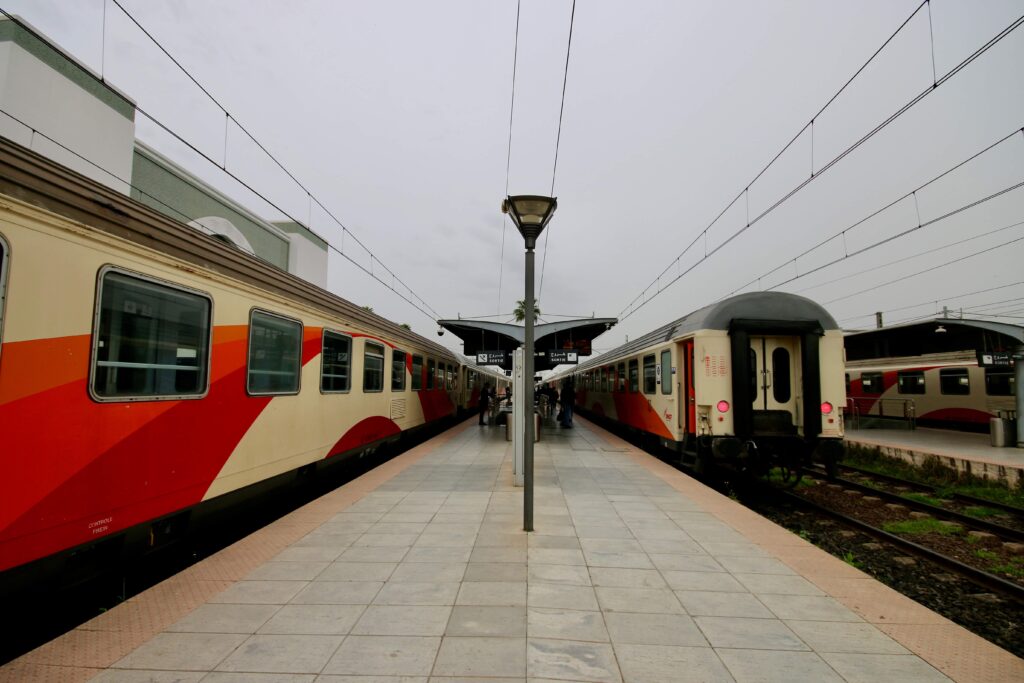
Generally speaking, transportation runs normally throughout the month of Ramadan – buses and trains should operate as normal.
That being said, there are a few things to be aware of:
- Right before sunset, taxi availability usually drops as drivers go home for iftar.
- After iftar, the roads get busy again as locals head out to visit friends and families return from communal meals.
- Some passenger service desks at bus and train stations may be slower due to reduced staffing.
One of the biggest things for travellers to be aware of is the increased demand for transportation in the lead-up to Eid al-Fitr (the festival at the end of Ramadan). Lots of people are on the move these days, travelling across the country to spend Eid with extended family.
Always book buses and trains well ahead of time if you plan on travelling during this period.
5. Increased sense of community
If you live in a country where religion doesn’t play a major role in daily life, it’s hard to understand how the holy month impacts people and their sense of community. Moroccans are incredibly open and welcoming at the best of times, but their hospitality extends to another level during Ramadan.
Don’t be surprised if you get invited to share meals with complete strangers…and they expect absolutely nothing in return! A Ramadan meal is a unique opportunity to gain a deeper insight into Moroccan culture that’s often hidden from everyday tourism
For culturally curious travellers, I think Ramadan is a beautiful time to visit the country. In my opinion, the positives far outweigh any minor inconveniences you may experience.
Top tip:
Patience is important if you’re travelling around Morocco during Ramadan, as is empathy.
I remember looking at a menu displayed outside a restaurant in Marrakech, right before the Maghrib adhan. The owner loudly told me they weren’t serving food as staff were pausing for iftar. I replied that I was just looking for later (when they would reopen).
But he continued repeating (in an ever-increasing volume) that they weren’t open at the moment. I could see he was getting frustrated by me even looking at the menu (even though he was the one who had put it on display outside his restaurant). So I walked away quietly.
Honestly, it was a bit confronting. But I also understood that he was “hangry” and there was no use trying to explain or reason in that moment.
I’m not at my best either when I’m extremely hungry and I hope people don’t judge me by my actions in those moments!
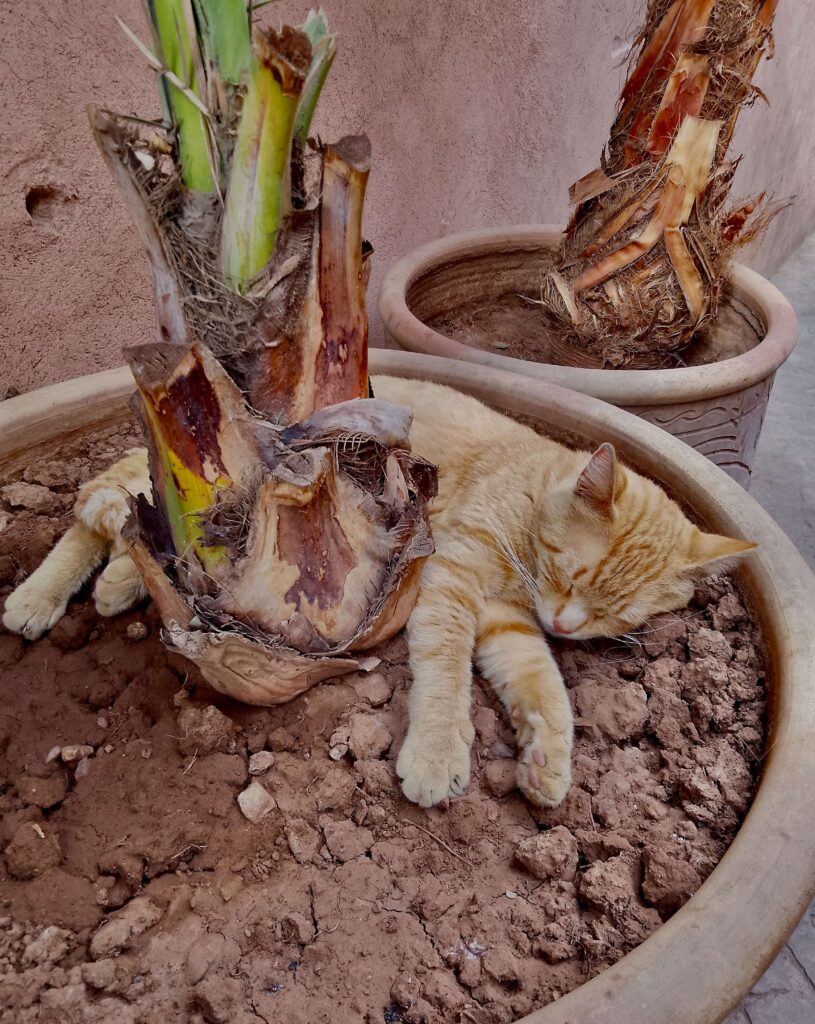
Pros of Visiting Morocco During Ramadan as a Solo Traveller
🌙 Unique cultural experience
Ramadan transforms Morocco. You’ll see traditions, rituals and rhythms that you can’t witness at any other time.
🌙 Fewer tourists
Attractions can be less crowded as domestic tourists usually avoid travelling during Ramadan.
🌙 Special nighttime atmosphere
Post-iftar celebrations, nighttime shopping and social gatherings give Morocco’s cities a magical vibe.
🌙 Incredible food
Iftar meals offer some of Morocco’s best seasonal dishes, often home-cooked and deeply traditional.
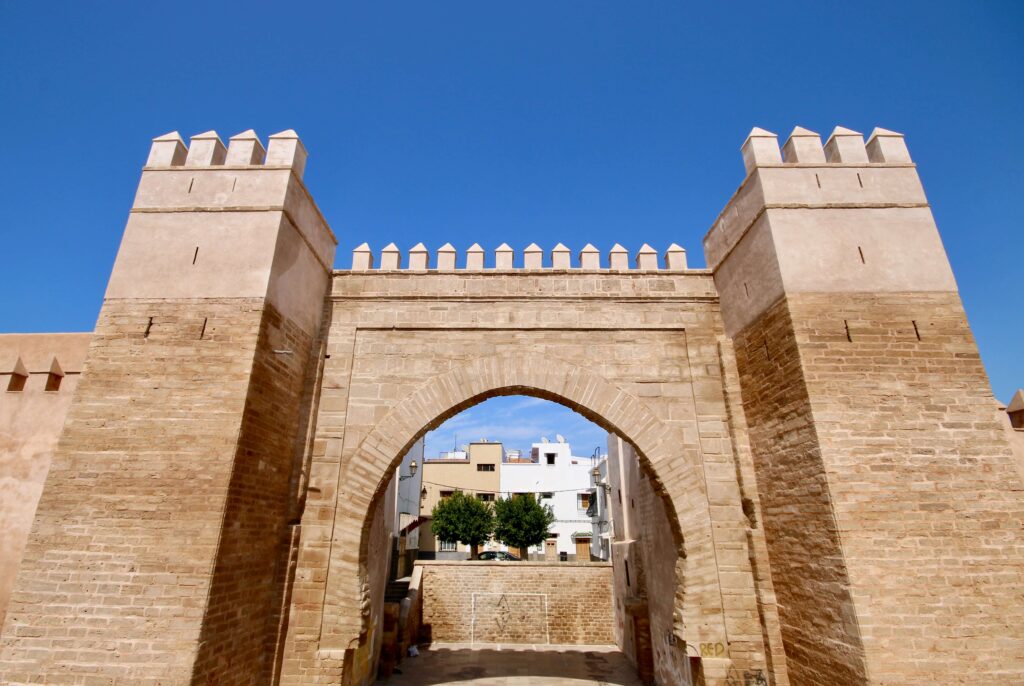
Cons of Visiting Morocco During Ramadan as a Solo Traveller
⚠️ Limited daytime dining
Finding food during the day outside of tourist restaurants and hotels can be tricky.
⚠️ Shorter opening hours
Souks, museums and shops run on altered schedules, often with reduced opening hours.
⚠️ Reduced energy late in the day
Locals are sometimes tired and less willing to engage late in the afternoon, right before breaking their fast.
⚠️ Nighttime noise
If your riad/hotel is located near popular cafes and restaurants, be prepared for noise late at night.
Tips for Travelling During Ramadan in Morocco
✔ Plan your days around opening times
Check operating hours in advance for museums, palaces and gardens.
✔ Book accommodation with breakfast
This ensures you are guaranteed a filling meal to start the day.
✔ Be respectful in public
Avoid eating, drinking or smoking in the street during fasting hours.
✔ Avoid public displays of affection
This should be observed year-round but is particularly important during Ramadan.
✔ Participate in an iftar meal
This is one of the best cultural experiences you can have in Morocco.
✔ Stock up on snacks
Keep fruit, nuts or pastries in your bag if you’re travelling to remote towns and villages.
✔ Dress conservatively
Respecting Morocco’s conservative dress code is particularly important during Ramadan.
✔ Adjust your schedule
Go sightseeing in the morning and early afternoon, then rest when the locals do in the late afternoon.
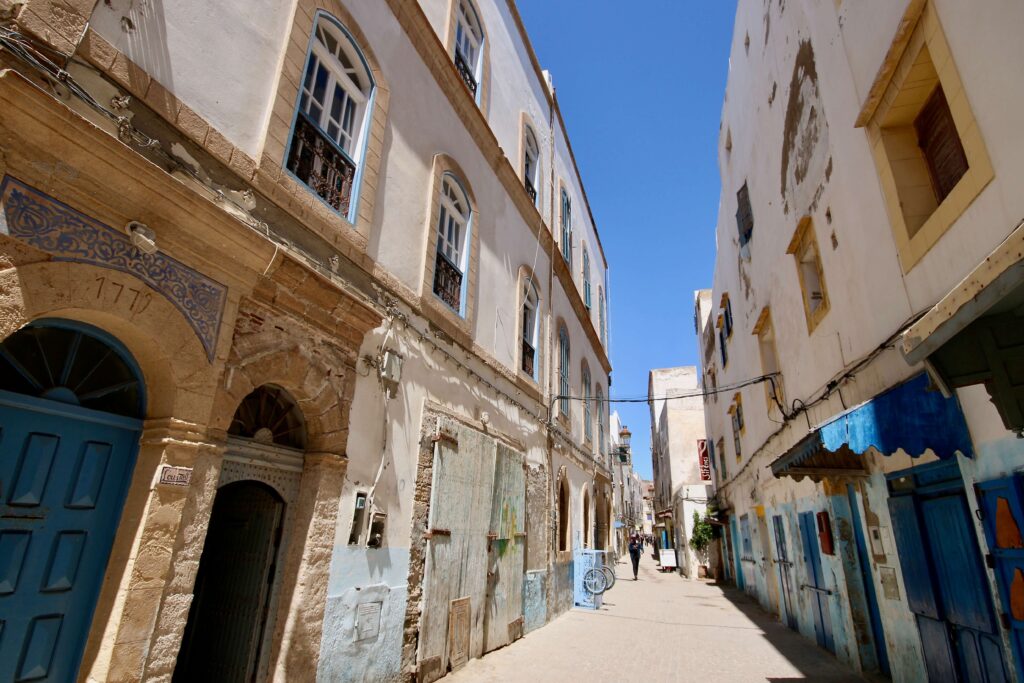
Should Solo Travellers Visit Morocco During Ramadan?
Absolutely! Provided you visit with an open mind and come prepared.
In my experience, Ramadan is a wonderful time to visit Morocco if you’re looking for a culturally rich, community-focused and spiritually meaningful adventure.
But it also requires flexibility and respect. If you’re someone who wants to wear whatever they want, eat and drink freely during the day or have a tightly packed sightseeing schedule, it might be best to avoid Ramadan.
For curious, open-minded travellers who enjoy cultural immersion, Ramadan is one of the best times to experience Morocco.
PLAN YOUR TRIP WITH MY FAVOURITE RESOURCES:
Find hotels via Booking
Book tours and attractions via Viator or GetYourGuide
Find a rental car via Discover Cars
Book flights via Kiwi or Booking
Search for buses and trains via 12Go or Omio
Get travel insurance via SafetyWing
Buy a digital eSIM with Airalo
By purchasing through my links, you’ll be supporting my website at no additional cost to you
-
Can You Travel Solo in Morocco Without Speaking French or Arabic?
If you’re travelling to Morocco with friends or family, chances are someone will have a few words of French or Arabic up their sleeve. And if you’re joining a guided tour, you’ll have a local guide to act as your Darija or Tamazight (Amazigh) translator. But what if you’re travelling independently (and solo) and know…
-
How Many Days Do You Need in Morocco? Solo Travel Itinerary Ideas
“How many days do I need in Morocco?” is a question I get a lot…and it’s not easy to answer. Morocco is one of those countries where you can spend a long weekend exploring a single city or several weeks travelling the length and breadth of the country. Take your pick! But if I’m talking…
-
Morocco Solo Travel FAQs + Honest Answers
After travelling around Morocco for the last 10+ years, I think it can be an incredibly rewarding country to explore independently. Public transport is great, there’s a huge variety of experiences on offer and the cultural insights are endlessly fascinating. That said, it might not be the easiest country for solo travellers, particularly if we’re…
-
How to Handle Unwanted Attention in Morocco Respectfully
Something that always saddens me when reading through Morocco travel forums is the number of people who report receiving unwanted attention in the country. While there are always people who respond saying this didn’t worry them or that it was on par with what they’ve experienced in other countries, there are enough people who feel…
-
Using SIM Cards and Mobile Data in Morocco: A Solo Traveller’s Guide
When I first started travelling in my early 20s, smartphones didn’t exist and the internet was still incredibly expensive to access. I remember paying 2 USD per minute to check my emails in Cuba! It was the era of “Lonely Planet”. Almost everyone bought/borrowed one of these legendary guidebooks and they were a mainstay of…
-
The Unexpected Lessons Morocco Has Taught Me
I came to Morocco looking for adventure and, if I’m being honest, to tick another country off my bucket list. Back in 2014, I booked a one-way ticket expecting to whizz around the country for a few weeks before continuing on to South America. I’d travelled around Southern Africa, East Africa and West Africa before,…
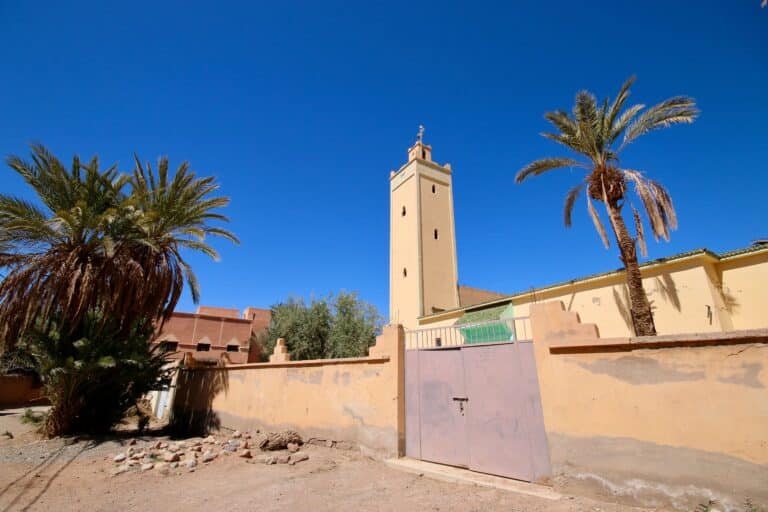

I’m Malika, an Australian-born travel writer with an intense love for Morocco. I first travelled here solo in 2014 and after meeting (and marrying) a local, I made this North African gem my home. Since that time, I have explored the country extensively, travelling to all corners with my partner, friends and on my own.
Morocco is an incredible destination and one that I think everyone who has the “travel bug” should experience. The scenery is spectacular, the medinas are enchanting and the locals are among the friendliest (and funniest) people I’ve ever met.
I also know that Morocco can feel intimidating for first-time solo travellers, especially given the amount of conflicting advice shared online. That’s why I’ve created this guide: to provide practical, balanced, and up-to-date advice based on my own experiences. My hope is that it helps you travel with confidence and enjoy everything this extraordinary country has to offer.