Why Morocco Is Ideal for Low-Impact Solo Travel
I often look back on the way I travelled in my 20s and realise it was all about me getting the most out of my destination. I wanted to see as much as I could on the limited budget I had available, and have lots of photos as proof of my trip.
Fast-forward a couple of decades and I can now see the negative effects tourism can have on the environment and local cultures. In particular, that kind of fast-paced, high-impact tourism that I was participating in.
In contrast, low-impact travel is about exploring destinations responsibly, in a way that minimises negative impacts on the natural environment, local people and way of life.
It might seem like just another buzzword…and it probably is! But we shouldn’t underestimate its focus on reducing your carbon footprint, respecting cultural traditions and supporting local businesses.
Over the course of my travels, I’ve come to discover that Morocco is a great place to embark on a low-impact trip…or dip your toes into the world of responsible and sustainable travel.
Why? It boasts some exceptional slow travel experiences, an abundance of small-scale riads and guesthouses, as well as numerous opportunities to travel lightly while still enjoying culturally rich and meaningful experiences.
In this article, I’ll explain a few of the reasons I think low-impact travel in Morocco is so accessible and how you can incorporate it into your next trip.
Wondering if you can travel easily around Morocco without speaking French or Darija? Check out my tips and advice here.
Disclosure: This article contains affiliate links, meaning I earn a small commission when you make a purchase. Affiliate links cost you nothing and ensure my content stays free!
Walkable Cities Built for Slow Exploration
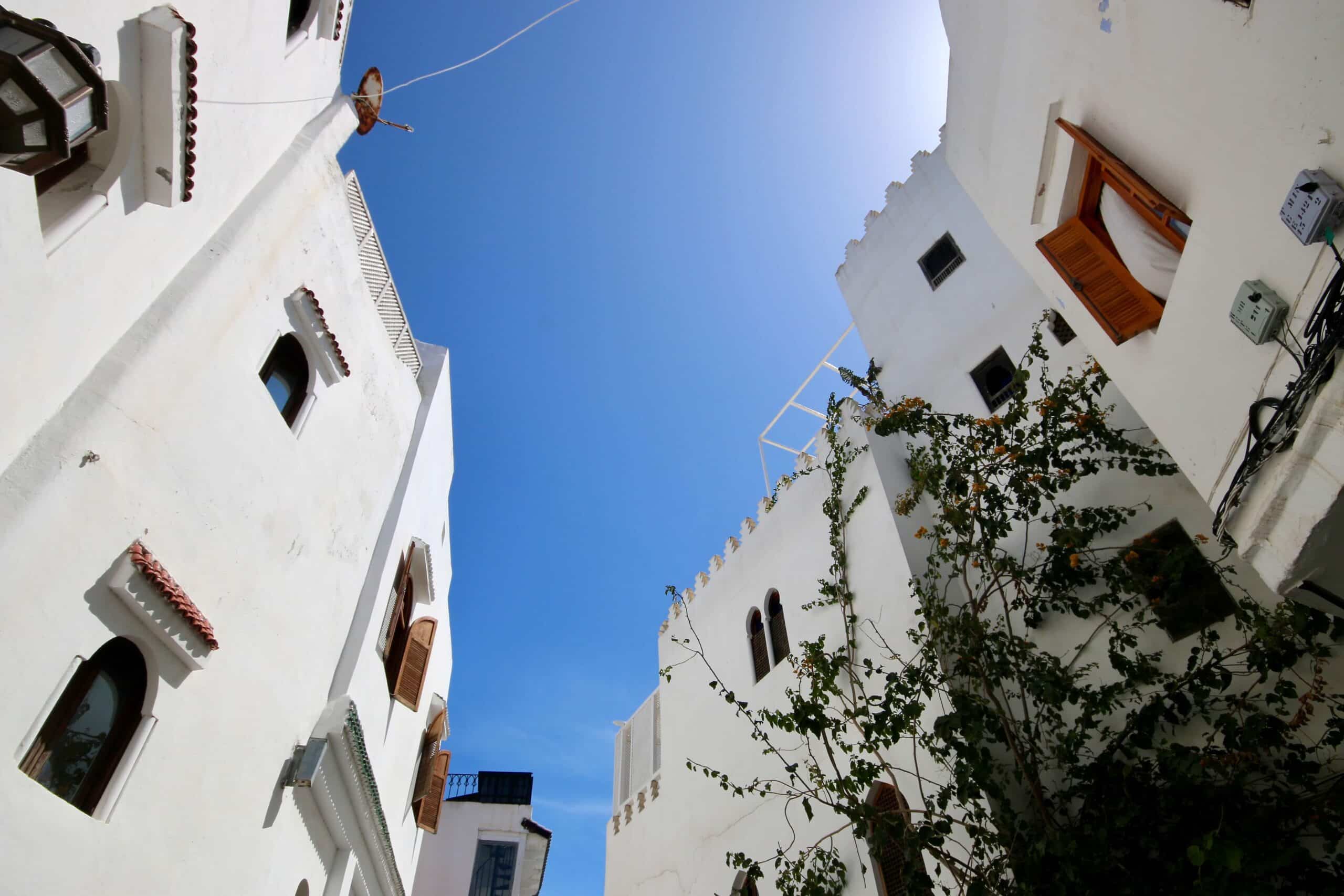
Many of Morocco’s most popular (and most interesting) destinations are compact and best explored on foot.
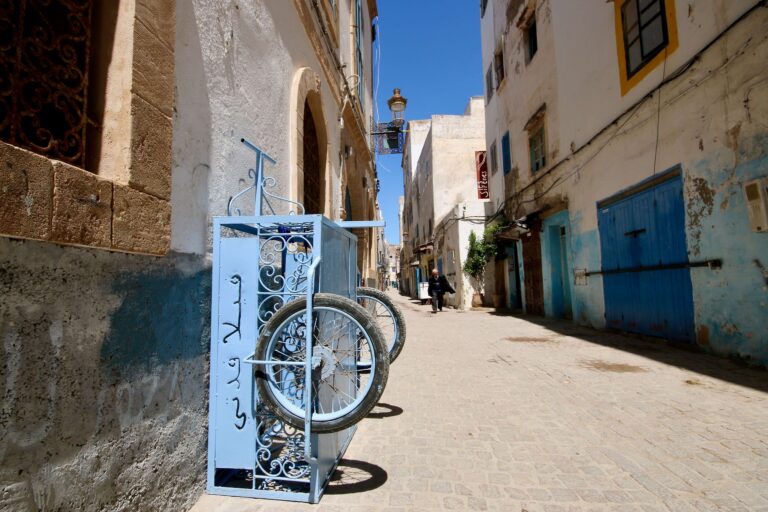
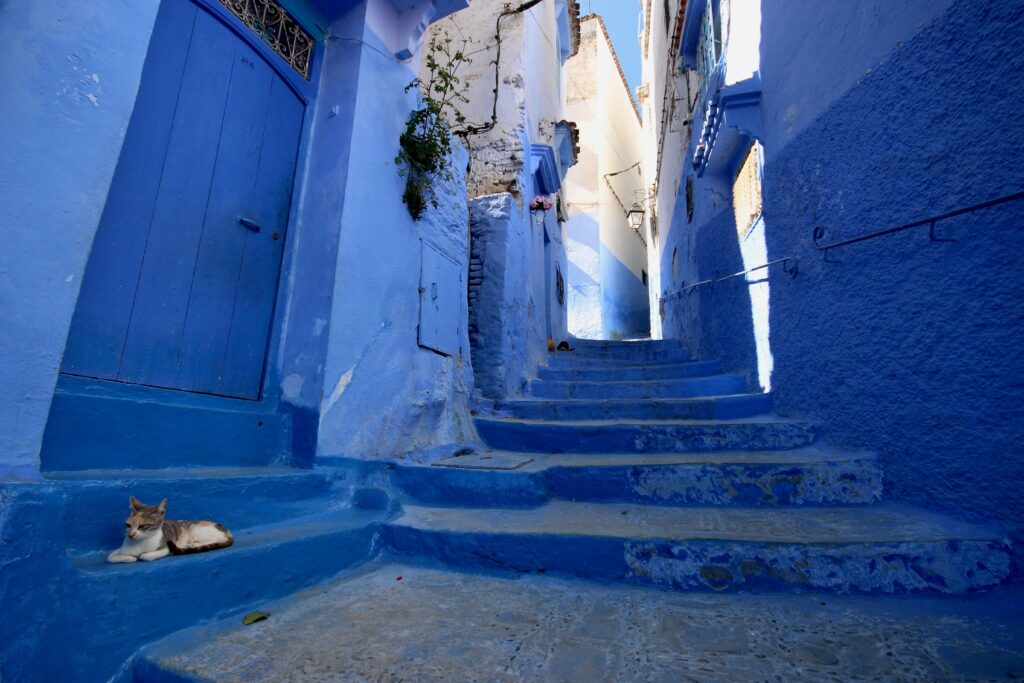
The historic medinas of Fes, Marrakech, Rabat and Essaouira were designed long before cars. All remain pedestrian-only today, except for the occasional motorbike bringing goods in or out.
As you wander the narrow lanes, shop at local markets and watch bread being baked in communal ovens, you get to witness everyday life unfolding at a walking pace.
For solo travellers, this means there’s no need for taxis or private drivers while exploring urban areas and architectural landmarks. During your foot-powered medina wanderings, you won’t be creating carbon emissions and you get to experience all the comings and goings of everyday life.
Trust me when I say that getting lost in a medina is all part of the experience, so don’t worry about losing your way. It often leads to unexpected finds and hidden gems tucked away from the main tourist routes.
An Efficient Public Transport System
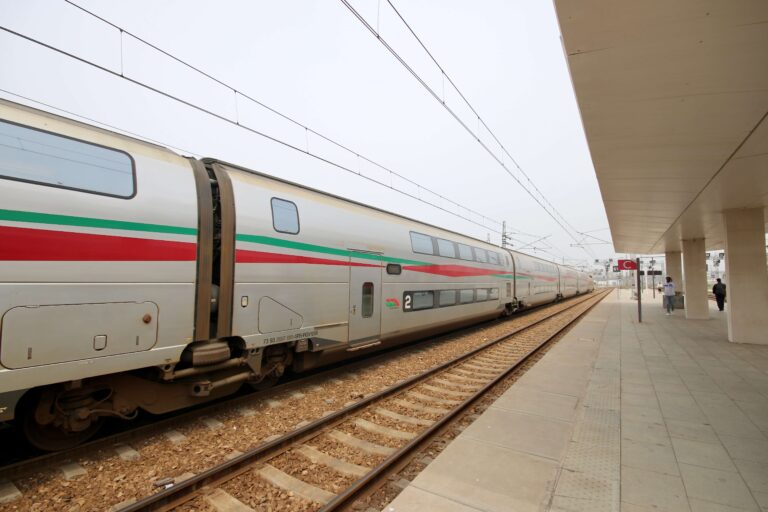
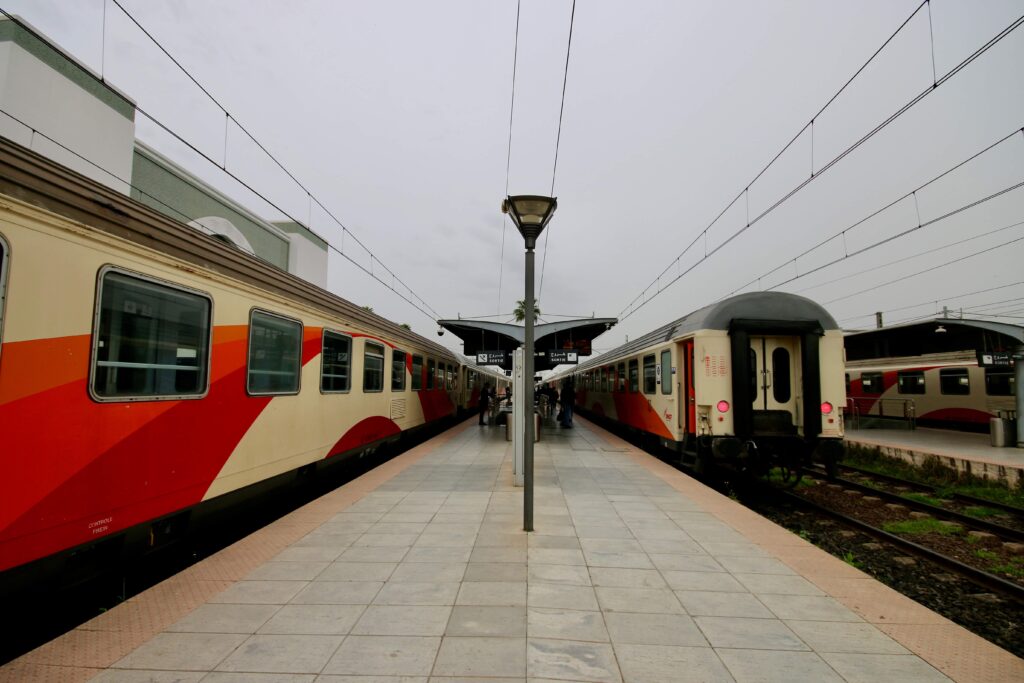
Morocco’s train and bus networks are among the best in North Africa, making it easy to move between major cities without renting a car or booking private transfers.
Public transport is also lower-impact, and I personally love the social nature – you’ll get to meet Moroccans from all walks of life.
What are the best ways of getting around Morocco as a low-impact solo traveller?
- ONCF trains connect Tangier, Rabat, Casablanca, Marrakech, Meknes and Fes efficiently
- CTM and Supratours buses reach smaller towns and coastal cities (Agadir and Essaouira)
- Shared grand taxis reduce the need for solo vehicle hire
Riads and Guesthouses That Keep Tourism Local
Morocco’s traditional riads and family-run guesthouses naturally lend themselves to low-impact travel. Most are small in scale, employ local staff and source food from nearby markets and/or organic gardens.
By staying in Moroccan-owned accommodation, you’re helping to keep tourism income within communities, rather than it being sent abroad. In many cases, you’ll be supporting the restoration of historic buildings, which keeps traditional architecture and craftsmanship alive.
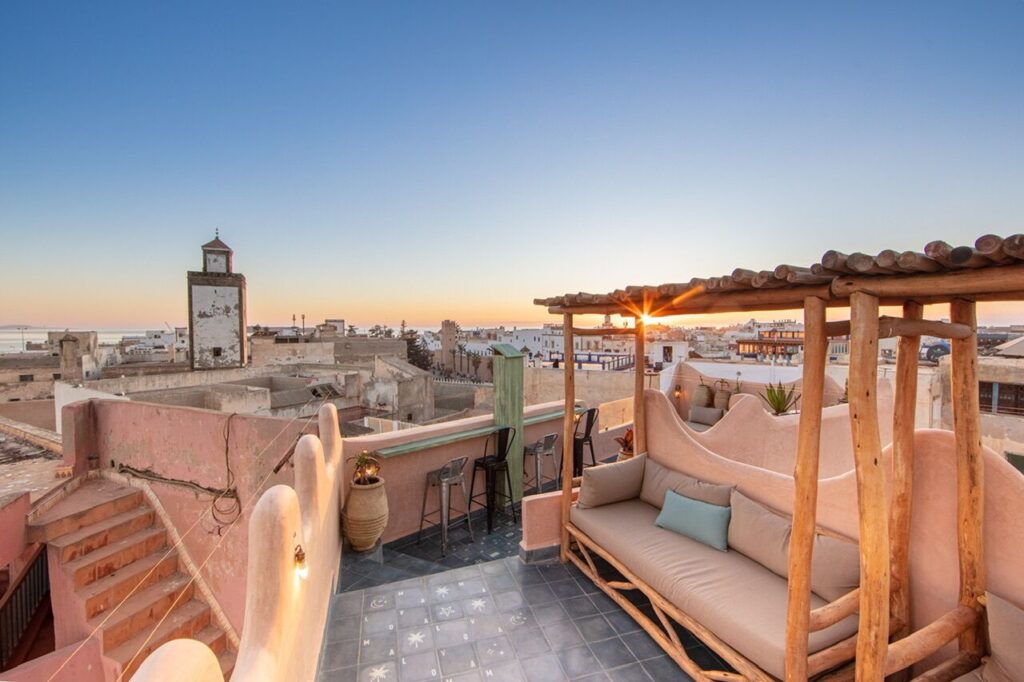
Boutique riads and guesthouses tend to have a smaller footprint than large resorts and there’s built-in social interaction (even if you’re not staying at a hostel). The convivial rooftop terraces and interior courtyards are great places to meet like-minded people for solo travellers craving connection.
A Culture That Values Hospitality Over Consumer-Driven Experiences
Moroccan culture places a strong emphasis on hospitality, sharing food and conversation, rather than quick financial gains.
What does this mean for travellers? Riad hosts are usually really generous with their time and happy to share cultural insights. This is not because they hope you will give them a good review – it’s just how they’ve been raised.
Unhurried tea rituals are part of daily life in Morocco, even in souks that are designed for consumer purposes. Connecting as humans is often just as important as getting a sale.
For me, the best solo itineraries in Morocco are centred on experiencing landscapes and people, rather than high-octane travel checklists.
It seems logical to plan your days around doing everything on the “best things to do in X” list. But the reality is, the most impactful moments are everyday ones and situations you accidentally stumble upon.
So rather than trying to “do it all”, take a leaf out of Moroccan culture – spend more time being immersed in destinations and linger on experiences that are about enjoying the little moments.
Food That’s Seasonal, Local and Low-Waste
Traditional Moroccan cuisine is inherently low-impact. Meals are built around seasonal vegetables, locally sourced meat and aromatic spices. For dessert, fresh fruit (whatever’s in season) is the go-to.
Dishes like tagine, harira and couscous reflect everything great about slow cooking. It’s what gives them their flavour, rather than relying on resource-heavy ingredients.
Eating locally in Morocco means less packaging and waste, as well as minimal food miles.
While supermarkets in the country do feature a lot of packaging, local markets (where the majority of fresh produce is bought) are largely packaging-free. That is, except for the rogue plastic bags that are meant to be banned.
Farmers and growers arrive weekly (sometimes twice a week) to sell their goods. In most cases, the fruits and vegetables aren’t being shipped from abroad in cold storage. This means a reduced carbon footprint from transport and much better flavour!
Solo travellers in Morocco can eat affordably and responsibly almost anywhere, often for just a few dollars.
So rather than seeking out the latest rooftop restaurant that’s trending on Insta (with a menu that may rely on imported goods), support neighbourhood cafes and market vendors that are keeping things local.
Meaningful Experiences Without High Environmental Costs
While resource-intensive activities like quad biking are increasingly popular in Morocco, the country offers countless experiences that have a minimal environmental footprint.
Many of these prioritise knowledge-sharing and cultural exchange, which (for me) is one of the main reasons I travel in the first place.
What sort of activities in Morocco are meaningful and impactful, without having a high environmental cost?
- Guided medina walking tours
- Cooking classes with local families
- Hiking in the Atlas Mountains and Rif Mountains
- Visits to women’s cooperatives and artisan workshops
- Hammams and traditional wellness rituals

Low-Impact Solo Travel in Morocco is About Making Conscious Decisions
Of course, being a low-impact solo traveller is all about your mindset and choices, rather than waiting for a country to make it available to you.
With lots of internationally-owned resorts, restaurants catering to Western tastes and private transfers to whisk you from place to place, a Morocco trip could also be high-impact.
But for solo travellers who want to travel more lightly, more thoughtfully and more connected to place, I think Morocco is a fantastic choice.
Many of its most memorable experiences – medina strolls, mountain hikes and desert stargazing – are low-impact by default. And with extensive public transportation routes, it’s easy to travel responsibly with a low carbon footprint.
My best advice for solo travellers planning a low-impact trip to Morocco is to create fewer “must-visit” lists and allow more space in your itinerary for the country to reveal itself.
Everyday interactions with locals, connections over cups of mint tea and detours off the beaten tourist track are often the most culturally rewarding.
PLAN YOUR TRIP WITH MY FAVOURITE RESOURCES:
Find hotels via Booking
Book tours and attractions via Viator or GetYourGuide
Find a rental car via Discover Cars
Book flights via Kiwi or Booking
Search for buses and trains via 12Go or Omio
Get travel insurance via SafetyWing
Buy a digital eSIM with Airalo
By purchasing through my links, you’ll be supporting my website at no additional cost to you


I’m Malika, an Australian-born travel writer with an intense love for Morocco. I first travelled here solo in 2014 and after meeting (and marrying) a local, I made this North African gem my home. Since that time, I have explored the country extensively, travelling to all corners with my partner, friends and on my own.
Morocco is an incredible destination and one that I think everyone who has the “travel bug” should experience. The scenery is spectacular, the medinas are enchanting and the locals are among the friendliest (and funniest) people I’ve ever met.
I also know that Morocco can feel intimidating for first-time solo travellers, especially given the amount of conflicting advice shared online. That’s why I’ve created this guide: to provide practical, balanced, and up-to-date advice based on my own experiences. My hope is that it helps you travel with confidence and enjoy everything this extraordinary country has to offer.