Al Boraq High-Speed Trains: What Solo Travellers Should Know
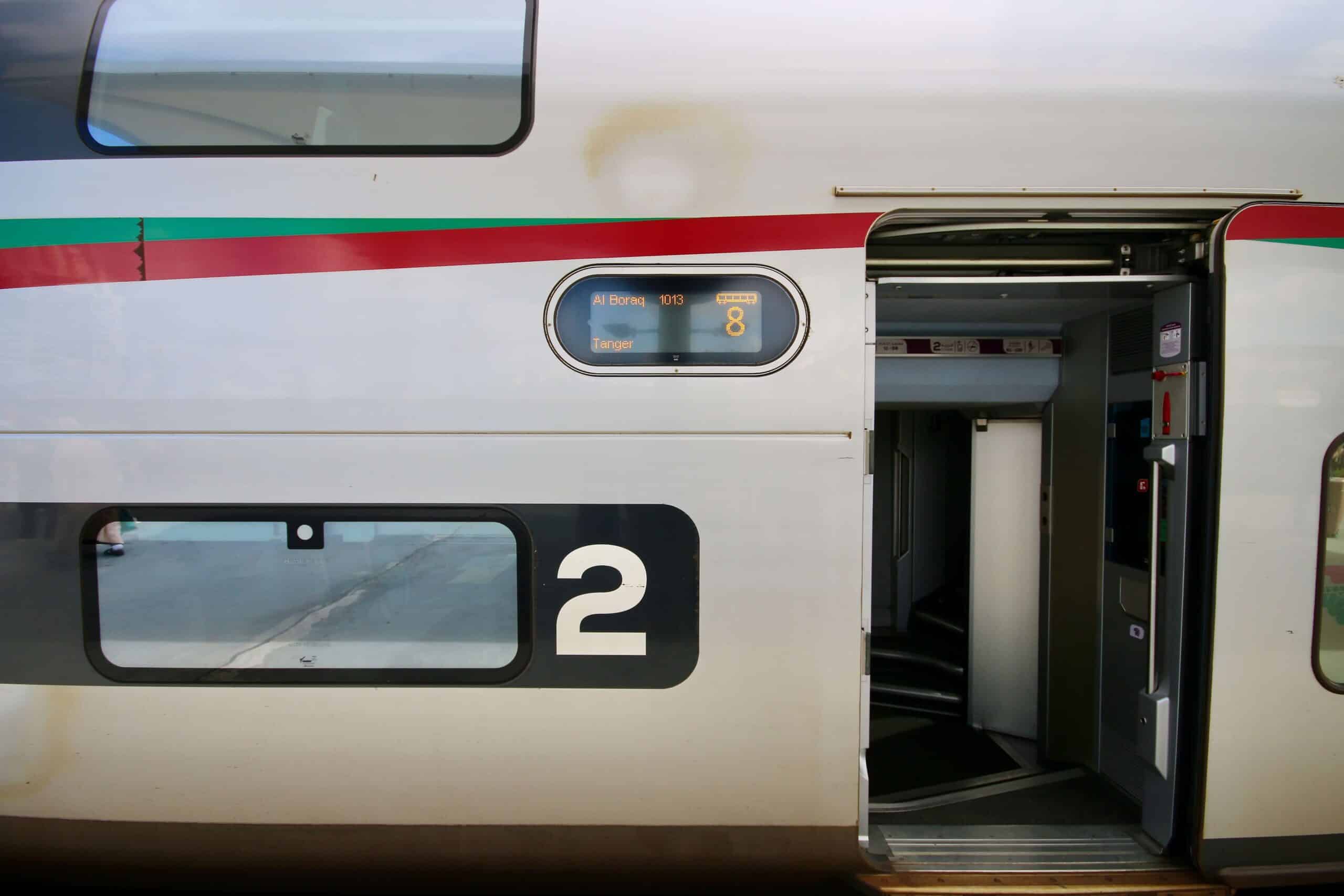
Since it launched in late 2018, Morocco’s Al Boraq high-speed train has transformed how travellers move around the country. I’ve ridden it several times now (from Tangier to Rabat and from Kenitra to Casablanca) and it’s a really fun (and highly efficient) experience!
Travelling at speeds of up to 320 km/h, Al Boraq trains are incredibly fast and, in my opinion, they are one of the best transport options for solo travellers.
They are ideal for accessing Morocco’s northern cities, particularly if you want to spend more time exploring destinations than travelling between them.
In this article, I’ll explain everything solo travellers need to know about riding Al Boraq trains and tips to ensure a smooth journey. Discover everything from Al Boraq ticket costs to the location of stations and what you can expect on board.
Disclosure: This article contains affiliate links, meaning I earn a small commission when you make a purchase. Affiliate links cost you nothing and ensure my content stays free!
What Is Al Boraq?
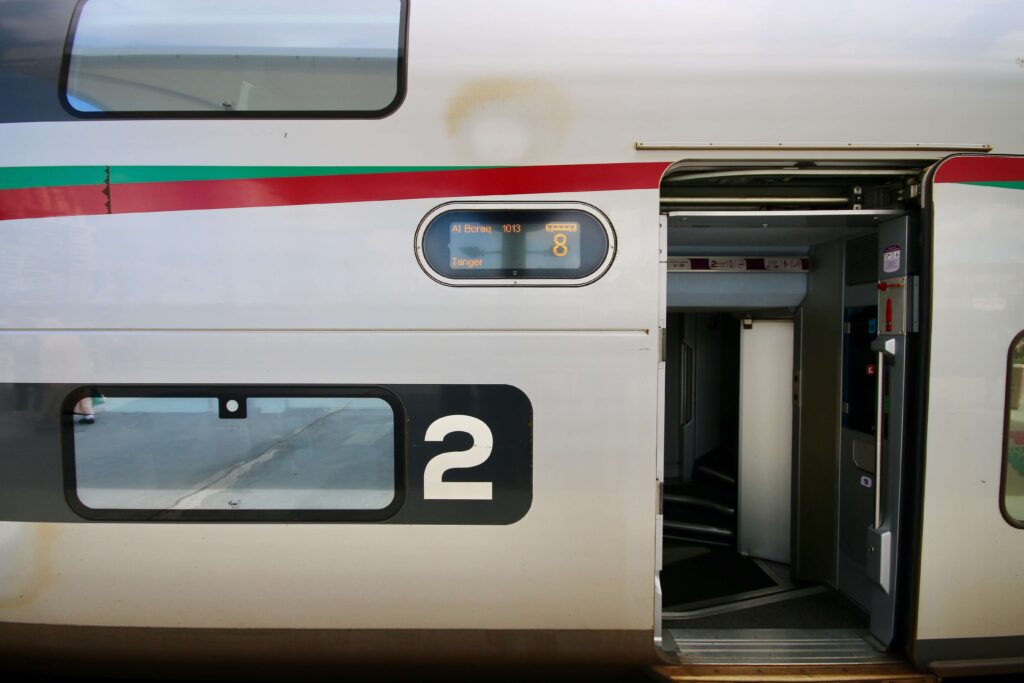
Al Boraq is Africa’s first high-speed rail service and is operated by ONCF (Morocco’s national railway). As a side note, ONCF also manages regular trains in the country.
At the time of writing, Al Boraq trains connect:
Tangier → Kenitra → Rabat → Casablanca
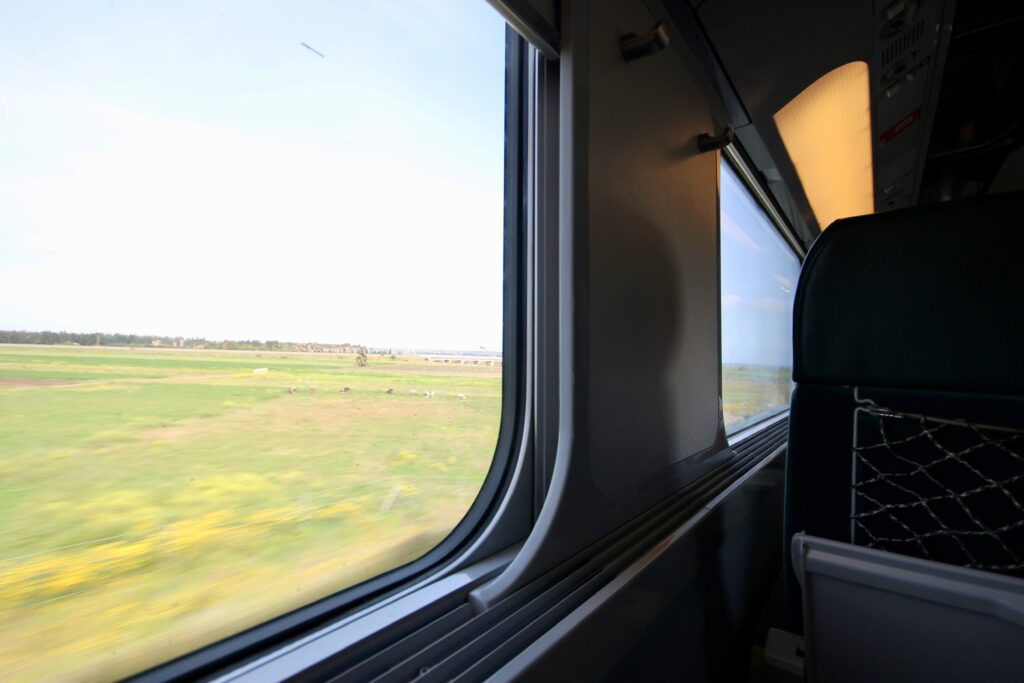
Compared to regular/standard trains, the journey times are significantly shorter, meaning you can spend less time in transit and more time exploring your destination. You still get to experience Morocco’s incredible landscapes, they’re just moving past your window a little bit faster!
Why Al Boraq is Ideal for Solo Travellers
Easy, Stress-Free Travel
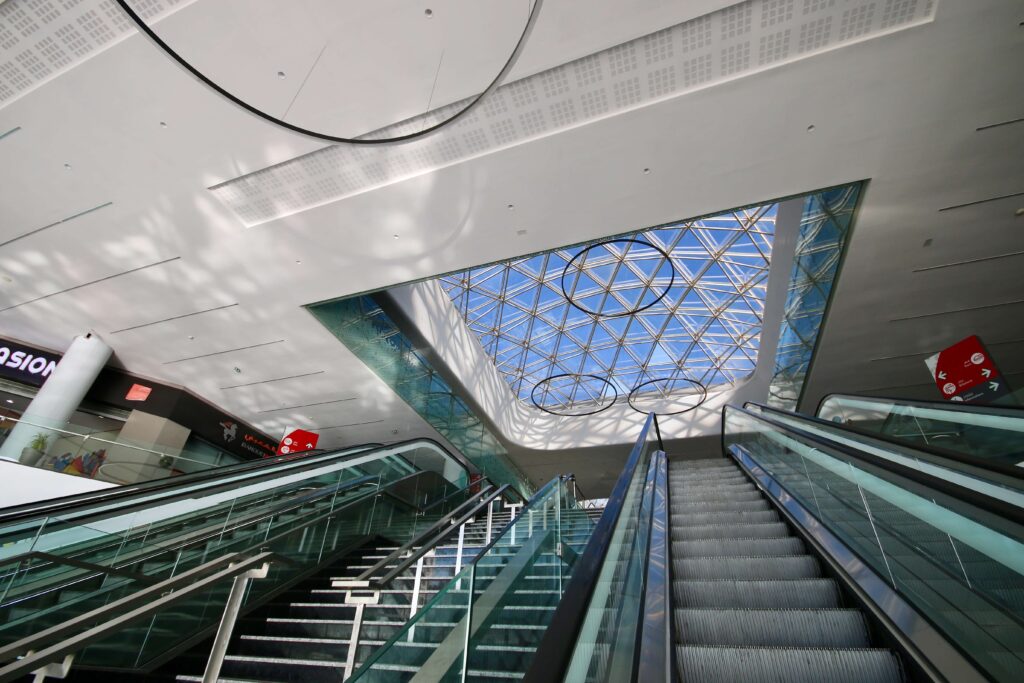
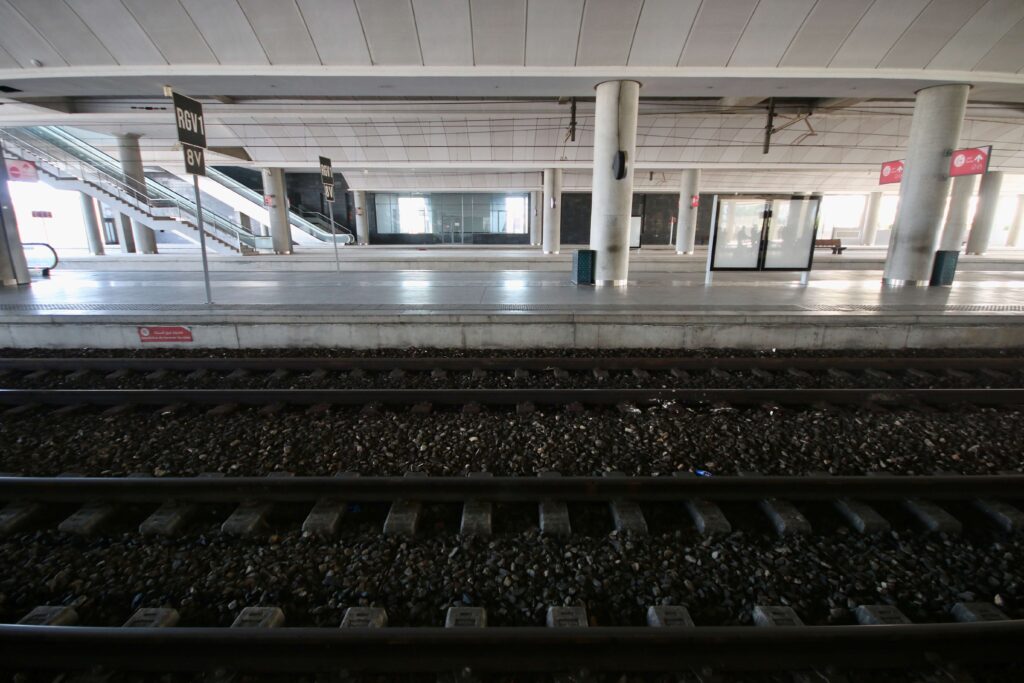
What I particularly love about travelling by train in Morocco is that the stations are modern, organised and clearly signed in multiple languages. In fact, some of the stations were purpose-built for Al Boraq and, in my opinion, are architecturally impressive.
When you’re taking an Al Boraq service, you don’t need to negotiate prices and you know you have a designated seat (there’s no “standing room” onboard).
Safe and Comfortable
Al Boraq trains are clean, staffed and monitored, so it’s an incredibly safe way to get around Morocco.
For women who are travelling solo, you won’t be squished in next to a man, as the seats are spacious (even in second-class). Personally, I always feel comfortable on Moroccan trains, even when I’m alone.
Predictable Schedules
High-speed Al Boraq services run frequently and the trains are (usually) on time. This makes it easy to plan connections and arrange private transfers. For example, you can give a driver an exact time to wait for you at your destination railway station and transfer you to a riad/hotel.
For solo travellers who want to arrive during daylight hours, it’s easy to opt for a service that will get you to your destination before nightfall.
Al Boraq Classes & Seating Options
Al Boraq offers two main classes:
- First Class:
More spacious seating and supposedly “quieter” carriages, although I’ve never been in a second-class Al Boraq carriage that’s noisy. - Second Class:
More affordable, though sometimes busier during peak travel periods.
Seats are assigned in both classes, which removes the stress of finding space or having to jostle for a seat.
There are luggage storage areas at the end of each carriage, no matter which class you are travelling in. While these aren’t huge, I’ve never had an issue finding space, even when I was travelling with a ridiculously big bag!
One of the main advantages of buying a first-class Al Boraq ticket is that it grants you access to Al Boraq Lounge. This waiting area is a bit like an airline lounge, with complimentary drinks (coffee, tea, water), comfortable seats and Wi-Fi access.
Personally, I don’t think it’s worth the splurge alone. But if you plan on being at the station super early for your departure, it’s nice to have somewhere quiet (with free drinks and Wi-Fi!) to wait.
Booking Al Boraq Tickets
How to Buy
- At ONCF stations (ticket counters or machines)
- Via the ONCF website or app (at the time of writing, you need a VPN set to Morocco)
- Through third-party travel platforms such as 12Go and Omio
Buying in advance is recommended if you’re travelling on weekends or around major holidays (Eid al-Adha and Eid al-Fitr).
Costs
Tickets are reasonably priced compared to European high-speed trains. So while Al Boraq trains are more expensive than regular services, I still think they’re a good value option for budget-conscious solo travellers.
Al Boraq ticket price examples:
Rabat to Tangier: 200 to 270 MAD for second-class tickets and 350 to 450 MAD for first-class tickets
If you’re buying your ticket online, there’s no need to print it out. Simply show it to the officer who comes through the carriage checking tickets.
You may also need to show it at a gate before accessing the platform – this was the case at Rabat-Agdal last time I travelled.
Top tip:
Just in case you encounter any connectivity issues, I suggest taking a screenshot of your ticket so you can view it offline later.
Luggage & Practicalities
When you travel on Al Boraq trains, there are no formal luggage limits (like on planes) and you don’t pay extra for bags (as you do on Moroccan buses).
That being said, there is limited luggage space at the end of each carriage and in the overhead racks, so don’t overdo it!
While I find Moroccan trains incredibly safe, I would suggest keeping valuables on you, just to be on the safe side. I always keep my passport, wallet and laptop with me at my seat, rather than stored in my bag. From most seats, the luggage racks will be out of sight during the journey.
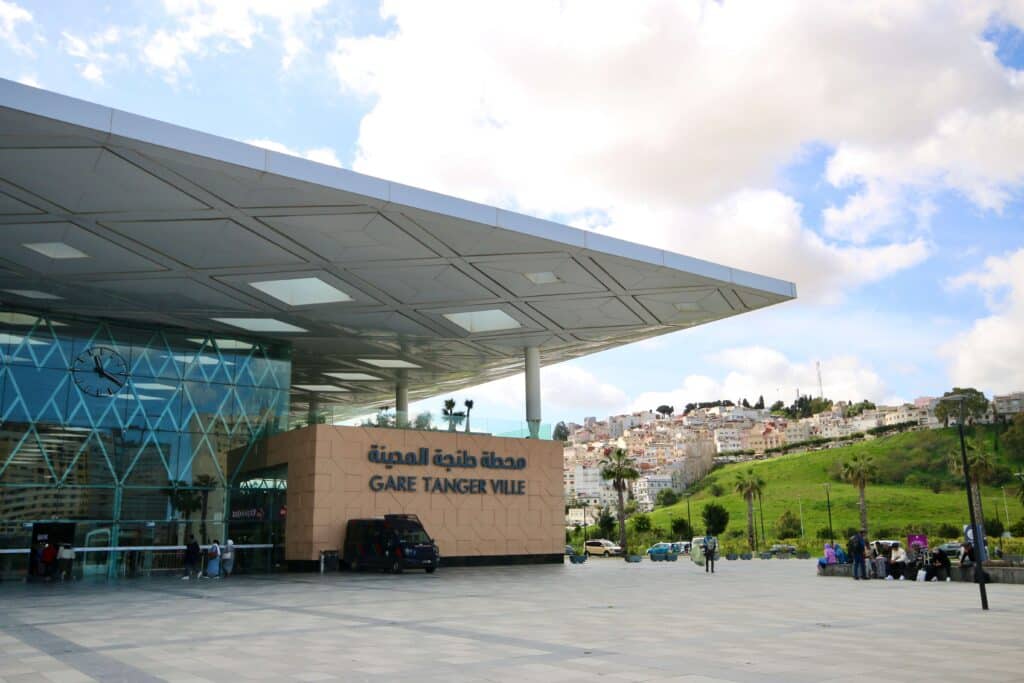
Al Boraq Stations
It’s important to note that Al Boraq trains don’t serve all stations in each of its destinations. What do I mean?
For example, Al Boraq trains only stop at Rabat-Agdal railway station (not Rabat-Ville) and they don’t serve Casa-Port. If you’re travelling to or from Casablanca, you’ll need to book a ticket to/from Casa-Voyageurs if you want to travel by Al Boraq.
Station Locations & Transfers
One important thing to note if you’re travelling solo on Al Boraq trains is that the stations are predominantly outside historic city centres.
Some may be within walking distance (depending on where you are staying). But it’s more likely you’ll need to take a local bus or petit taxi to get there.
This is something to keep in mind when figuring out your budget, as well as your transfer times.
I would suggest arriving at the station at least 20 minutes before your train departs – always add in some buffer time in case of traffic.
By arriving early, you’ll have plenty of time to orient yourself in the station and find your platform, as well as use the toilet or pick up some snacks for the trip.
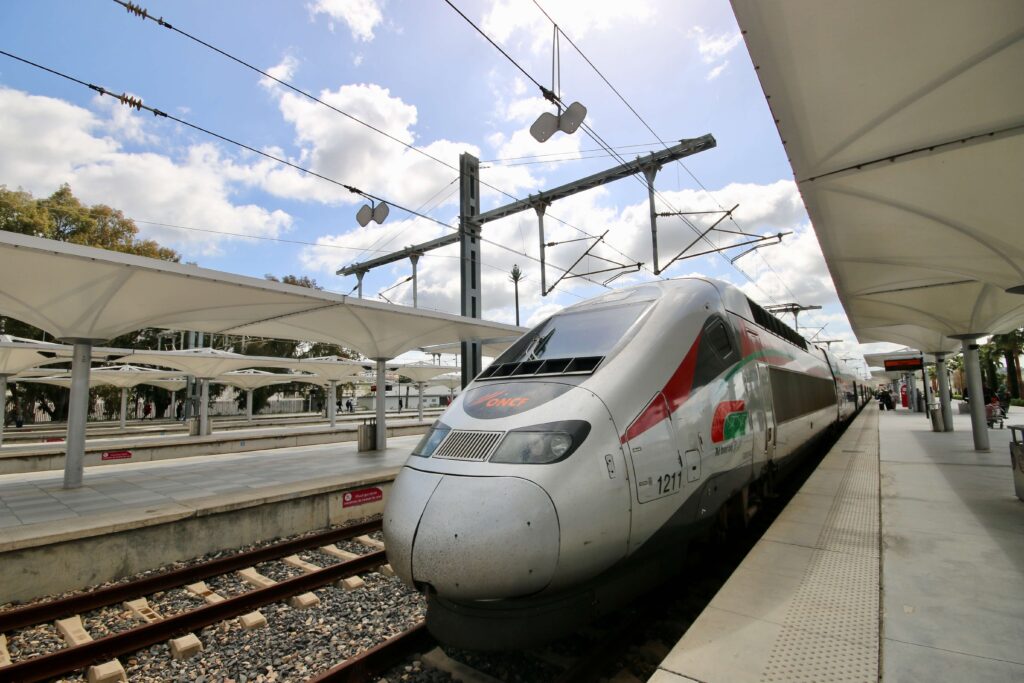
When Al Boraq Makes Sense…and When It Doesn’t
Unfortunately, Al Boraq trains don’t travel all around Morocco – the network is still quite limited. While there are plans to extend it south to Marrakech and eventually Agadir, it isn’t there yet!
At the moment, Al Boraq trains are best for solo travellers exploring major cities in Morocco’s north, including Rabat, Casablanca and Tangier. It will whisk you between all three destinations in no time!
Trains don’t serve Essaouira, Chefchaouen or towns in the Atlas Mountains and the Sahara Desert.
Al Boraq trains make sense for solo travellers who are on tight schedules and want to see as much as possible in the space of a few days.
Due to their speed, they’re also ideal for day trips from Rabat/Casablanca to Tangier or vice versa. Day trips save you the hassle of moving between hotels and hauling your luggage with you.
Riding Al Boraq trains is NOT ideal for anyone who is on a really tight budget. Standard trains in Morocco are cheaper. So if money is more of an issue than time, I’d recommend sticking with the slower option and enjoying the journey!
PLAN YOUR TRIP WITH MY FAVOURITE RESOURCES:
Find hotels via Booking
Book tours and attractions via Viator or GetYourGuide
Find a rental car via Discover Cars
Book flights via Kiwi or Booking
Search for buses and trains via 12Go or Omio
Get travel insurance via SafetyWing
Buy a digital eSIM with Airalo
By purchasing through my links, you’ll be supporting my website at no additional cost to you
-
Can You Travel Solo in Morocco Without Speaking French or Arabic?
If you’re travelling to Morocco with friends or family, chances are someone will have a few words of French or Arabic up their sleeve. And if you’re joining a guided tour, you’ll have a local guide to act as your Darija or Tamazight (Amazigh) translator. But what if you’re travelling independently (and solo) and know…
-
How Many Days Do You Need in Morocco? Solo Travel Itinerary Ideas
“How many days do I need in Morocco?” is a question I get a lot…and it’s not easy to answer. Morocco is one of those countries where you can spend a long weekend exploring a single city or several weeks travelling the length and breadth of the country. Take your pick! But if I’m talking…
-
Morocco Solo Travel FAQs + Honest Answers
After travelling around Morocco for the last 10+ years, I think it can be an incredibly rewarding country to explore independently. Public transport is great, there’s a huge variety of experiences on offer and the cultural insights are endlessly fascinating. That said, it might not be the easiest country for solo travellers, particularly if we’re…
-
How to Handle Unwanted Attention in Morocco Respectfully
Something that always saddens me when reading through Morocco travel forums is the number of people who report receiving unwanted attention in the country. While there are always people who respond saying this didn’t worry them or that it was on par with what they’ve experienced in other countries, there are enough people who feel…
-
Using SIM Cards and Mobile Data in Morocco: A Solo Traveller’s Guide
When I first started travelling in my early 20s, smartphones didn’t exist and the internet was still incredibly expensive to access. I remember paying 2 USD per minute to check my emails in Cuba! It was the era of “Lonely Planet”. Almost everyone bought/borrowed one of these legendary guidebooks and they were a mainstay of…
-
The Unexpected Lessons Morocco Has Taught Me
I came to Morocco looking for adventure and, if I’m being honest, to tick another country off my bucket list. Back in 2014, I booked a one-way ticket expecting to whizz around the country for a few weeks before continuing on to South America. I’d travelled around Southern Africa, East Africa and West Africa before,…

I’m Malika, an Australian-born travel writer with an intense love for Morocco. I first travelled here solo in 2014 and after meeting (and marrying) a local, I made this North African gem my home. Since that time, I have explored the country extensively, travelling to all corners with my partner, friends and on my own.
Morocco is an incredible destination and one that I think everyone who has the “travel bug” should experience. The scenery is spectacular, the medinas are enchanting and the locals are among the friendliest (and funniest) people I’ve ever met.
I also know that Morocco can feel intimidating for first-time solo travellers, especially given the amount of conflicting advice shared online. That’s why I’ve created this guide: to provide practical, balanced, and up-to-date advice based on my own experiences. My hope is that it helps you travel with confidence and enjoy everything this extraordinary country has to offer.