Morocco Solo Travel FAQs + Honest Answers
After travelling around Morocco for the last 10+ years, I think it can be an incredibly rewarding country to explore independently. Public transport is great, there’s a huge variety of experiences on offer and the cultural insights are endlessly fascinating.
That said, it might not be the easiest country for solo travellers, particularly if we’re comparing it to some parts of Europe with well-established backpacking routes and hostel networks.
But there’s something about those (small) challenges that Morocco offers up that have helped me build confidence as a solo traveller. After navigating my way across the country alone, I feel like I could explore independently almost anywhere in the world.
If you’re a first-time solo traveller to Morocco, you might have a lot of questions about your upcoming trip. This article is for you! These are the questions I’m asked most often…and the honest answers I give.
Disclosure: This article contains affiliate links, meaning I earn a small commission when you make a purchase. Affiliate links cost you nothing and ensure my content stays free!
Is Morocco Safe for Solo Travellers?
In my opinion, yes. Morocco is generally a safe destination for solo travellers, including solo female travellers. Violent crime against tourists is relatively uncommon, but (like anywhere in the world) it can’t be ruled out completely.
The most common issues visitors encounter are receiving unwanted attention and being charged inflated taxi fares, as well as pickpocketing or the occasional scam (usually in heavily touristed areas).
These situations can be avoided by staying aware of your surroundings, taking sensible precautions and researching common scams beforehand.
Personally, the only places I have experienced attempts at these are in Marrakech and Fes, and it never got to the point where I was taken advantage of.
Is Morocco Safe for Solo Female Travellers?
Many women (including me) travel to Morocco independently every year and have fantastic experiences.
Despite what you might read online, I feel like most Moroccan men want to see female travellers treated the same way they would want their sisters, daughters and mothers to be treated.
That said, female travellers may receive more attention than they’re accustomed to. For me, this is more common in Marrakech and Fes. This can include unwanted comments/catcalling, attempts to start conversations or offers to “help” with directions.
In my experience, most interactions aren’t threatening – it’s men trying to impress other men, rather than an attempt to make you feel unsafe. That said, I always dress modestly, politely decline conversations I don’t want to get into and walk with confidence (even if I have no idea where I’m going).
If someone continues to bother you and you can’t “shake them off”, step inside a shop/restaurant and ask for help.
Do I Need to Dress Conservatively in Morocco?
While Morocco is a modern country and you’ll see locals wearing both traditional and Western-style clothing, dressing modestly is seen as a sign of respect.
Many older Moroccans or those living in rural areas aren’t accustomed to seeing a lot of skin. Personally, I don’t see any reason tourists should be making them feel uncomfortable in their own country.
As a woman, you don’t need to cover your hair (unless you’re visiting a mosque that requires it). But I would suggest wearing loose trousers or long skirts/dresses and top/shirts that cover the shoulders (no cleavage please!)
For me, it’s appropriate to cover your shoulders and knees – it’s rare to see Moroccan men shirtless or in singlet tops.
Not only does this show respect for local customs, but many travellers also find it helps reduce unwanted attention.
Can I Wear a Bikini in Morocco?
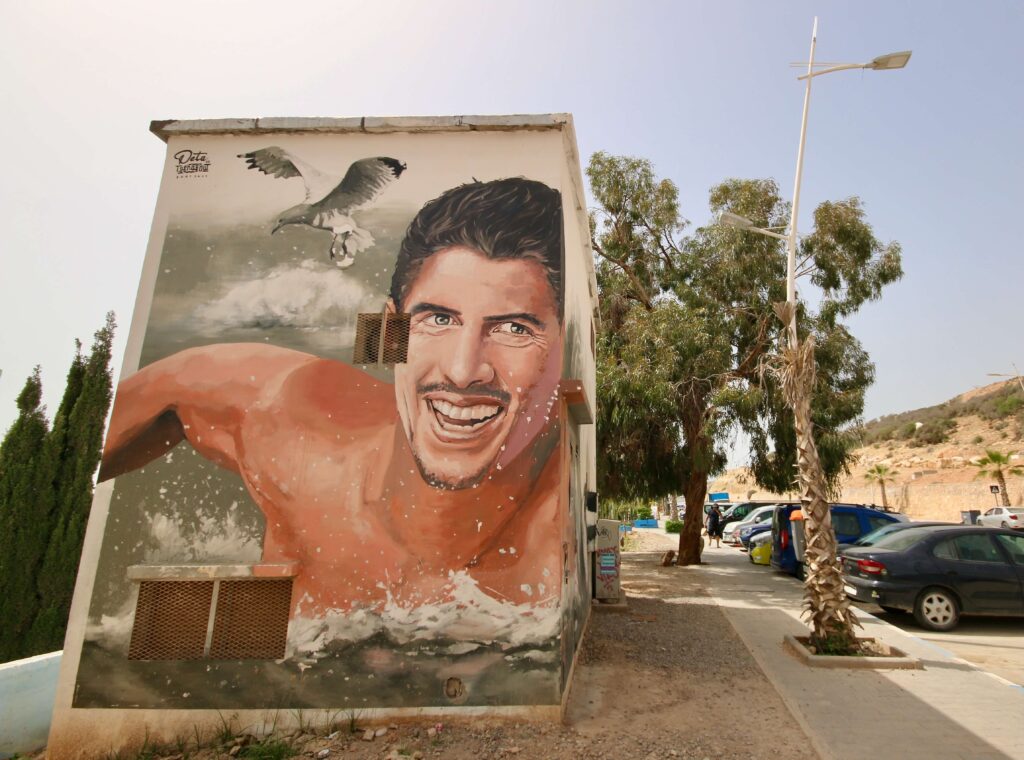
Yes. But only at the beach or at a resort/hotel swimming pool. I’ve been at beaches where some women have been in bikinis and others in niqabs – everyone is just trying to enjoy a day at the coast.
However, it’s not appropriate to walk through towns or medinas wearing beachwear. Simply throw on a dress or a cover-up when leaving the sand and you won’t cause offence.
Is Morocco Expensive?
Compared with many European destinations, Morocco is still relatively inexpensive. But this depends largely on how you choose to travel.
In towns and cities, you can find cheap street food and budget riads/hotels, as well as hostels (in popular tourist spots). Transport on buses, trains and in grand taxis is also affordable. It’s easy to get around Morocco on a tight budget.
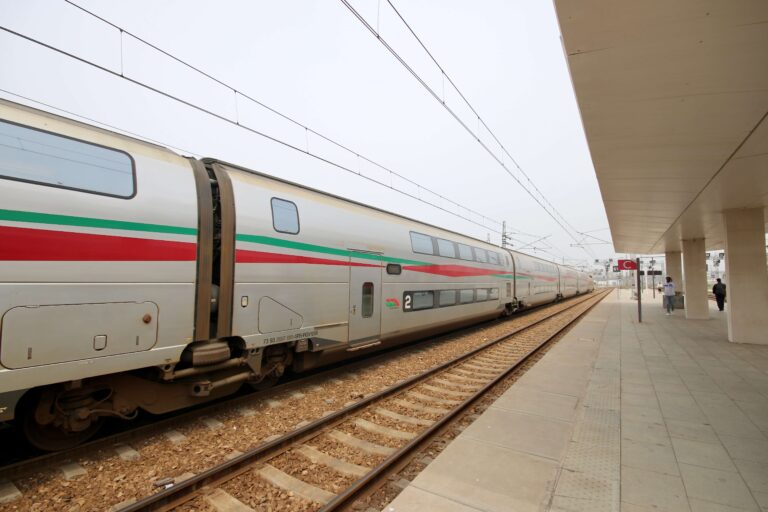
However, if you’re booking private tours and drivers, things can get much more expensive. Riding the high-speed Al Boraq is also more costly than regular Al Atlas trains.
In the Sahara Desert or Agafay, expect to pay European prices for activities like quad-biking and camel trekking. Desert camps in Agafay tend to be more expensive than those in the Sahara.
Rooftop restaurants in Marrakech are also at the upper end of the spectrum and you can find luxury hotels in the “Red City” that costs thousands of dollars a night.
So as you can see, you can explore Morocco on a small budget or you can spend a small fortune – it depends on how you choose to travel.
Can I Travel Around Morocco Without a Tour?
Absolutely you can travel Morocco without joining a tour! Morocco has an excellent transport network connecting most major destinations.
Comfortable (and high-speed) trains connect cities across the north, including Tangier, Casablanca, Rabat and Fes.
The rail network currently extends as far south as Marrakech. Beyond that, you’ll need to rely on buses or shared grand taxis for getting around. Buses are comfortable and efficient, particularly if you stick with well-known companies like CTM and Supratours.
Domestic flights are also available with Royal Air Maroc, but they’re rarely the most cost or time-effective option. Connections through European hubs (for domestic flights) are also available with budget airlines like RyanAir and EasyJet.
Private transfers are readily available in Morocco and are often the fastest way to get from A to B. That said, they can be expensive, particularly for solo travellers.
Do I Need to Speak Arabic or French?
No. But learning a few basic phrases is appreciated and (in my experience) Moroccans respond well to your attempts at trying.
Darija (Moroccan Arabic) and Amazigh are the official languages in Morocco. But many people working in tourism speak English, French or Spanish (particularly in the north). In fact, many Moroccans speak multiple languages – I’m forever impressed by their linguistic talents!
If you want to learn a few phrases in Darija, check out my article here or try the following:
- Salam alaikum (Hello)
- Shukran (Thank you)
- La, shukran (No, thank you)
- Bslama (Goodbye)
- Bshhal hadi? (How much is this?)
Will I Get Lost in the Medinas?
Probably! But that’s part of the experience.
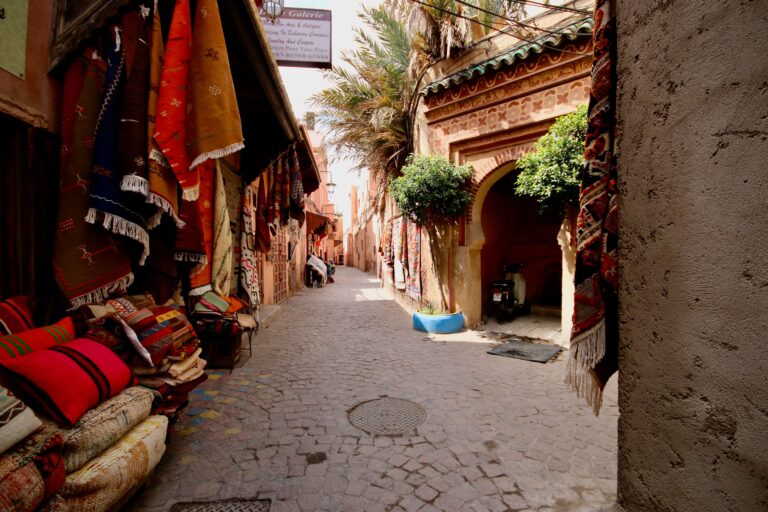
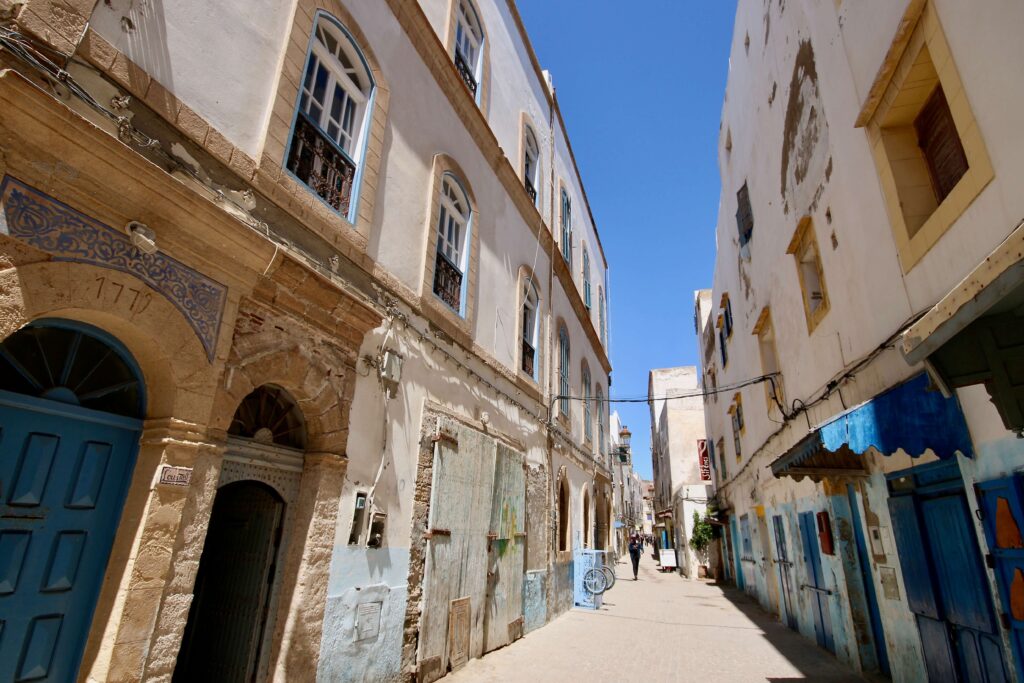
The historic medinas of Fes, Marrakech and Tangier are famous for their winding streets and I think it wouldn’t be a Moroccan trip if you didn’t get lost at least once!
That said, it doesn’t have to be a stressful experience and you can easily reorient yourself if you keep an eye out for local landmarks (mosques, squares and restaurants are my go-tos).
It’s a good idea to download an offline map of your destination onto your smartphone. That said, even these can get lost on occasion in Morocco’s medinas. If that happens, don’t be afraid to ask for directions from shopkeepers or restaurant staff.
However, if someone offers unsolicited directions (they approach you), be aware that they may expect payment or a “tip” afterwards.
Can I Drink/Buy Alcohol in Morocco?
Yes. Although Morocco is a predominantly Muslim country, alcohol is available in many places and drinking it in licensed hotels, bars and nightclubs is perfectly acceptable.
You can also purchase alcohol at dedicated bottle shops, although these aren’t always visibly identifiable from the outside. For example, my local has no signage, barred windows and is kinda dark and gloomy inside. Ask riad/hotel staff for directions to the closest one.
Keep in mind that public drunkenness is not culturally acceptable and I would advise against drinking alcohol outside of private residences/hotel rooms.
Alcohol in Morocco also isn’t cheap – keep this in mind if you’re travelling on a tight budget.
Is Tipping Expected in Morocco?
Yes, tipping is common throughout Morocco and it’s a good idea to carry small denominations of Moroccan dirhams. That said, it’s not obligatory and there is no 10% or 15% standard tip expected on top of bills.
As a general guide, I round up taxi fares (if the service is good) and leave a small tip at cafes/restaurants (again, I just round up the bill so no one has to find change).
If you’re taking guided tours, tips for guides and drivers are appreciated and doing this in Euros or USD is not uncommon. How much is at your discretion, although I’d recommend 50-100 MAD per day for a shared tour and 100-200 MAD per day for a private experience.
Should I Book Accommodation in Advance?
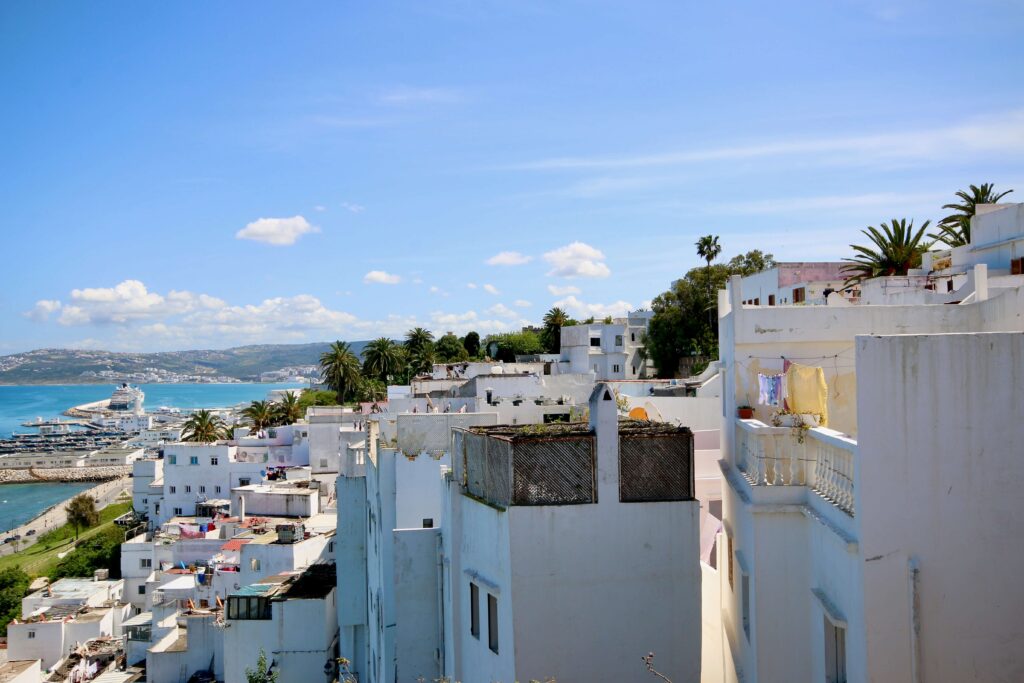
During peak travel seasons, it’s definitely a good idea to book accommodation in advance, particularly if you have your heart set on staying at particular properties.
Many of Morocco’s riads only have a handful of rooms and the best places will book out early. If you leave things to the last minute, you’ll likely find somewhere to stay, but it might not be the highest rated or in the best location.
Is Morocco Safe at Night?
Busy tourist areas are generally safe to explore in the evening, particularly where restaurants and cafes remain open. I wouldn’t go walking around poorly lit streets or isolated areas at night – that’s just a safety precaution I take in any destination.
Pickpocketing has been reported in busy tourist areas like Djemaa el-Fnaa, particularly at night when there’s so much going on. Always keep your valuables secured somewhere out of reach and avoid walking around with expensive jewellery/electronics that can be easily snatched.
Can I Visit the Sahara Desert Alone?
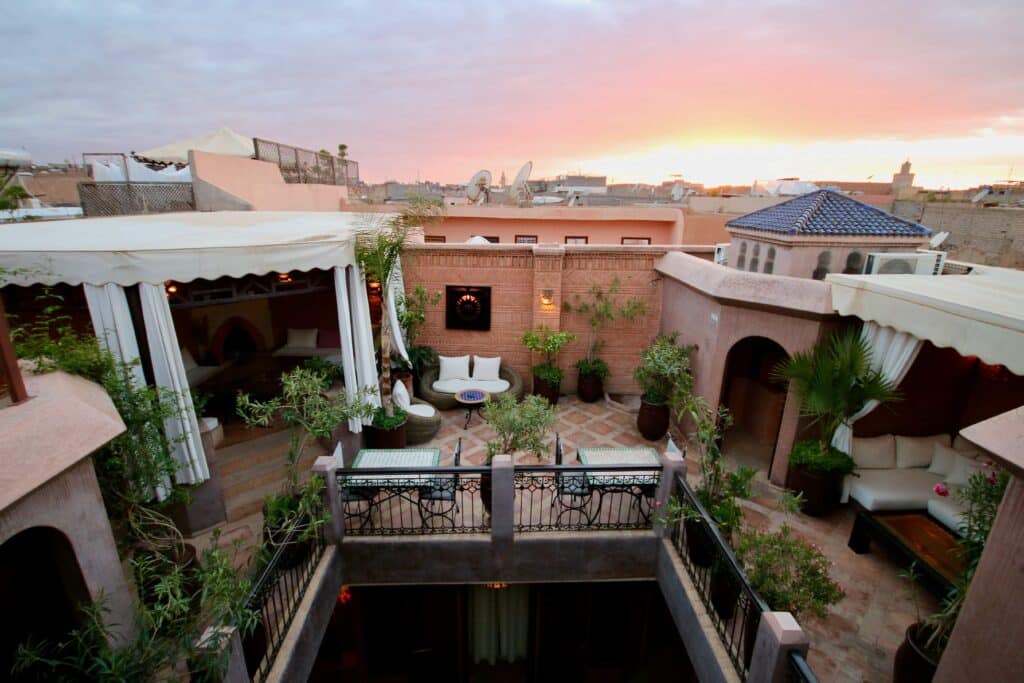
Yes, you can travel independently to Merzouga or M’Hamid and organise a night at a desert camp there. However, most travellers join an organised trip in Marrakech or Fes – they’re affordable and save you the logistical hassle of trying to get to/from the Sahara by bus.
Most Sahara tours include all transport, accommodation and meals, as well as a camel ride to the desert camp. Many also include stops along the way in Ait Benhaddou, Dades or Todra Gorge, so you’ll get to experience so much along the way.
Joining a small group tour can also be an enjoyable way to meet other travellers before continuing your solo trip through Morocco.
Is Morocco Good for First-Time Solo Travellers?
Honestly, it depends on your confidence and travel style.
Morocco can feel more intense than many European destinations, particularly if you’re starting your trip in Marrakech or Fes. The language differences, cultural considerations and level of activity in the medinas can take some adjustment.
However, if you arrive with an open mind, remain flexible and embrace the experience, I think Morocco can be an incredibly rewarding destination for first-time solo travellers.
My advice would be to consider starting somewhere like Essaouira, Rabat or Tangier. They’re just a little more relaxed and will ease you into the Moroccan travel experience, rather than jumping headfirst into the hectic medinas of Fes or Marrakech.
How Many Days Do You Need in Morocco?
It’s the million dollar question! Honestly, you could spend months in Morocco and not see everything. It may look relatively compact on a map, but travelling between destinations takes time, especially if you’re crossing the Atlas Mountains or heading into the Sahara Desert.
One of the biggest mistakes first-time visitors make is trying to squeeze too much into a short space of time. Anything less than a week and you should stick to one or two cities, perhaps with a couple of day trips or a night in a rural area.
Personally, I think 10–14 days is the ideal amount of time for most travellers to get a broad introduction to Morocco. This allows you to experience several Moroccan cities and coastal towns, spend a night or two in the Atlas Mountains and do a desert camp experience in the Sahara.
How do I avoid tourist scams in Morocco?
The best way to avoid tourist scams in Morocco is to be informed and research the most common ones. That way, you know the cues/conversations that lead to the scams and can remove yourself from the situation in advance.
A few quick tips: politely decline unsolicited offers of help, agree on taxi fares before your journey (or ask the driver to use the meter) and be cautious of anyone insisting they can guide you through a medina or show you a “closed” attraction.
Keep valuables secure in busy areas and always book tours through reputable operators (preferably with reviews from previous travellers). Check out Viator or GetYourGuide for inspo.
Most importantly, if a situation feels uncomfortable or too good to be true, it’s perfectly okay to say “no, thank you” and walk away.
Will I experience unwanted attention in Morocco?
Possibly. Some solo female travellers experience more attention in Morocco than they might be used to, particularly in busy tourist areas or traditional neighbourhoods. This can include unnecessary comments, persistent attempts to start conversations or unsolicited offers to help.
In most cases, it’s more annoying than threatening – men trying to impress other men. But it can be frustrating.
Dressing modestly, walking confidently and politely (but firmly) declining unwanted interactions are a few steps you can take. If anything feels sinister or unsafe, walk into a nearby shop, restaurant or hotel/riad and ask for help.
Can I hike in the Atlas Mountains alone?
Yes, many trails in the Atlas Mountains can be hiked independently, particularly around places like Imlil.
That said, the trails aren’t always well marked and if you can afford to, I would always recommend going with a guide. Not just as a safety precaution, but for the cultural insights – being to chat with local villagers/farmers/shepherds you meet (via your guide’s translations) can make the experience all the more special.
For some hikes, such as ascending Mount Toubkal, it’s mandatory to hire a local guide and there are checkpoints in place.
It’s also worth mentioning that weather conditions can change quickly in the Atlas Mountains and a guide can help with navigation and safety if you find yourself in a challenging situation.
Check out some of the best hikes in Morocco here.
How do grand taxis work in Morocco?
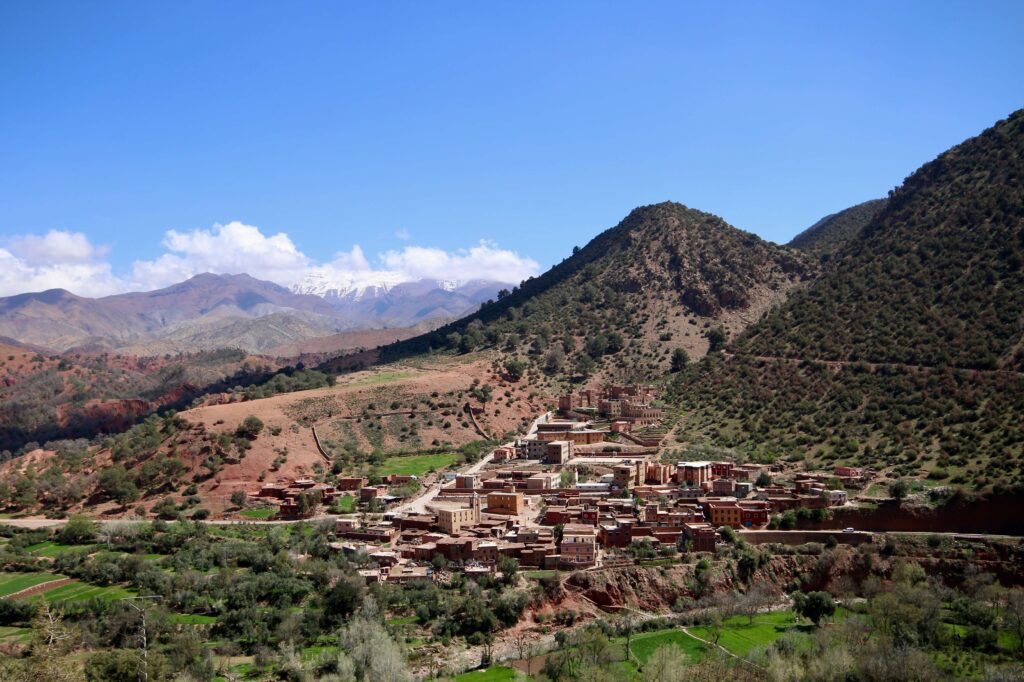
Grand taxis are shared taxis that operate between towns and cities, particularly in rural areas where train or bus services aren’t available. They usually depart once all seats are full, although you can pay for extra seats if you prefer more space or want to leave sooner.
Fares are generally fixed for shared journeys, but always confirm the price before you set off.
Discover more about the difference between grand taxis and petit taxis here.
Should I stay in a hostel or a riad in Morocco?
Honestly, it depends on your travel style and, to some extent, your budget.
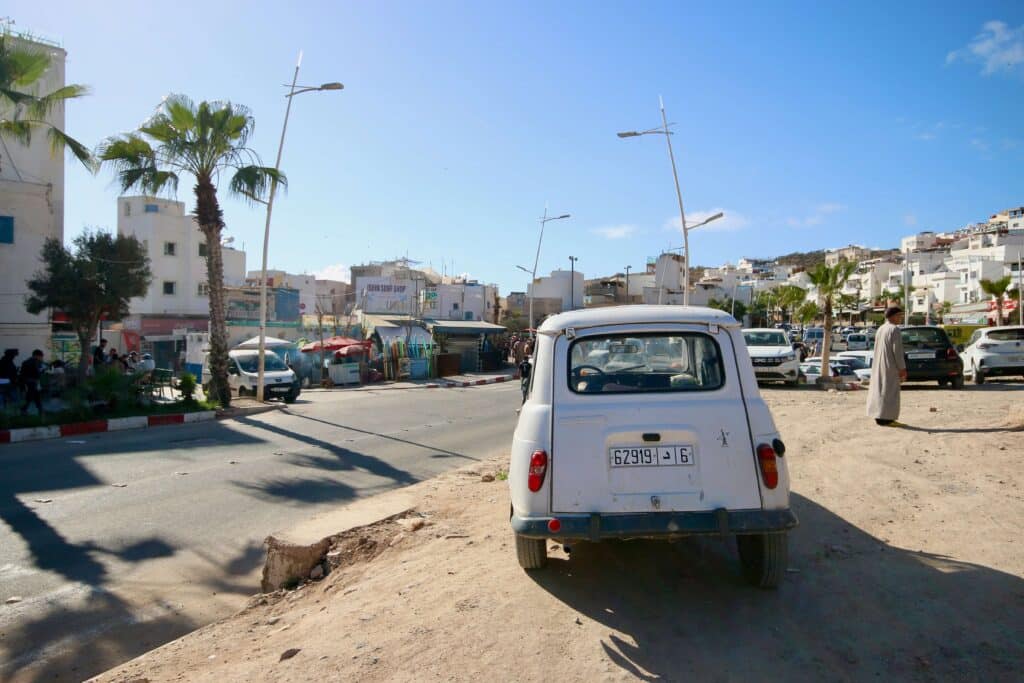
Riads are a great choice if you want to experience Morocco’s traditional architecture and are perfect for solo travellers who want their own room and a quieter atmosphere. They come at all ends of the budget range, from cheap and cheerful to ultra luxurious (with price tags to match).
Hostels are a better choice if you’re travelling on a tight budget or want to meet other travellers. Some are housed within traditional residences, so you get the riad experience too. Most have shared dorms and communal spaces that create more of a social atmosphere. Some also organise activities and tours you can join.
If you’re a first-time solo traveller to Morocco and want some social connection, I would recommend a combination of the two. Hostels are more readily available in popular tourist destinations like Marrakech and Fes. Outside of these cities, a private room in a riad or traditional guesthouse might be your only option.
Check out some of the best solo traveller-friendly places to stay in Marrakech, Fes, Rabat, Essaouira and Casablanca.
How much should I budget per day in Morocco as a solo traveller?
How much you need to budget for a Morocco trip really depends on your travel style, how many “paid” experiences you plan on doing and how much shopping you’re going to do in the souks.
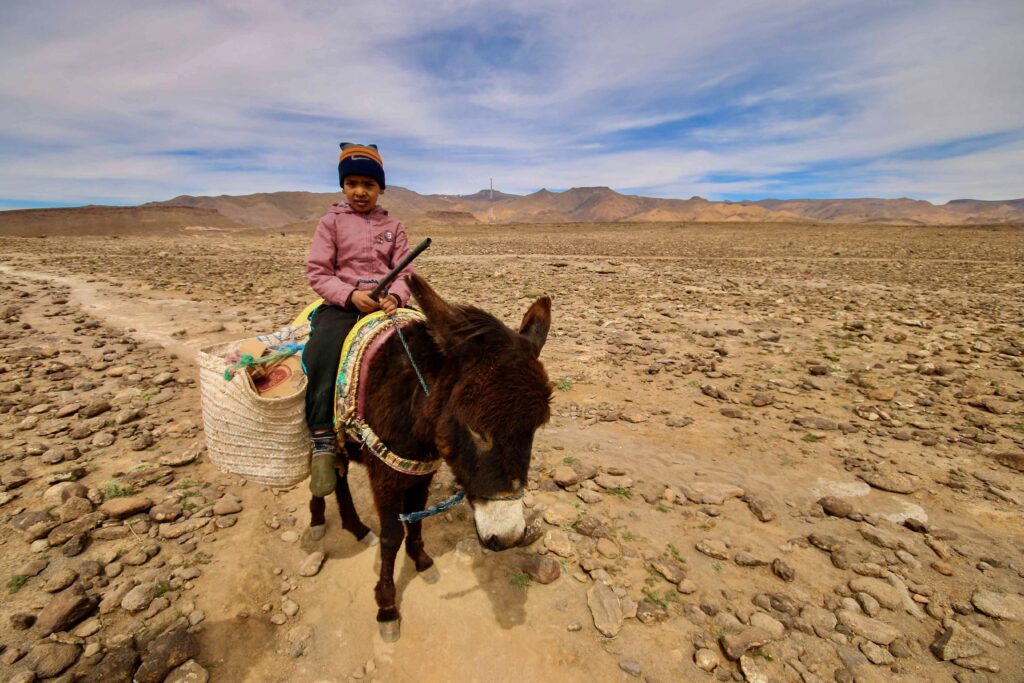
A frugal solo traveller can expect to spend roughly 300–600 MAD (€30–60) per day on a budget trip, including simple riads/hostel accommodation, local meals/street food, public transport and a few paid activities.
A more comfortable trip staying in nicer riads/hotels, dining at “tourist” restaurants and doing several paid experiences may cost more like 700–1,200 MAD (€70–120) per day. Private tours and transport will add significantly to trip costs.
Should I buy a Moroccan SIM card?
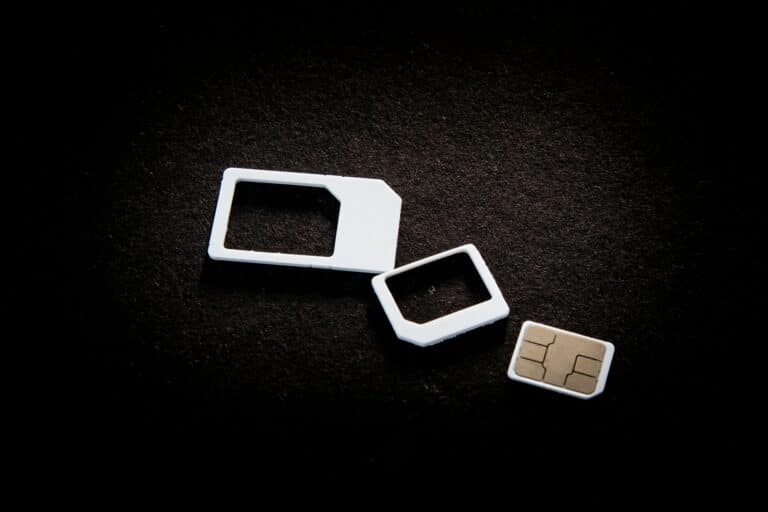
Buying a Moroccan SIM card can be worthwhile, especially for solo travellers who want a bit of backup support. Mobile data in Morocco is relatively affordable, coverage is generally good in cities and tourist areas and having internet access makes navigation, translation, bookings and staying in touch all that much easier.
Major providers include Maroc Telecom, Orange and inwi, and SIM cards can be purchased at airports, phone shops and official stores. Make sure your phone is unlocked before arriving!
Arrive Informed Rather Than Intimidated
I’m the first to admit that Morocco isn’t always the easiest country to travel through independently. But it’s also nowhere near the hardest either. It offers up plenty of gentle challenges that can be easily overcome…and rewards you handsomely for your efforts.
In my experience, the key to travelling solo in any new destination is to arrive informed rather than intimidated. Ask lots of questions and seek out the answers before you depart home.
By understanding the local customs and cultural differences, plus the basics around safety and logistics, you’ll travel with far greater confidence and be able to appreciate everything that makes Morocco so special.
PLAN YOUR TRIP WITH MY FAVOURITE RESOURCES:
Find hotels via Booking
Book tours and attractions via Viator or GetYourGuide
Find a rental car via Discover Cars
Book flights via Kiwi or Booking
Search for buses and trains via 12Go or Omio
Get travel insurance via SafetyWing
Buy a digital eSIM with Airalo
By purchasing through my links, you’ll be supporting my website at no additional cost to you

I’m Malika, an Australian-born travel writer with an intense love for Morocco. I first travelled here solo in 2014 and after meeting (and marrying) a local, I made this North African gem my home. Since that time, I have explored the country extensively, travelling to all corners with my partner, friends and on my own.
Morocco is an incredible destination and one that I think everyone who has the “travel bug” should experience. The scenery is spectacular, the medinas are enchanting and the locals are among the friendliest (and funniest) people I’ve ever met.
I also know that Morocco can feel intimidating for first-time solo travellers, especially given the amount of conflicting advice shared online. That’s why I’ve created this guide: to provide practical, balanced, and up-to-date advice based on my own experiences. My hope is that it helps you travel with confidence and enjoy everything this extraordinary country has to offer.