The Unexpected Lessons Morocco Has Taught Me
I came to Morocco looking for adventure and, if I’m being honest, to tick another country off my bucket list.
Back in 2014, I booked a one-way ticket expecting to whizz around the country for a few weeks before continuing on to South America. I’d travelled around Southern Africa, East Africa and West Africa before, but never to North Africa. It was time.
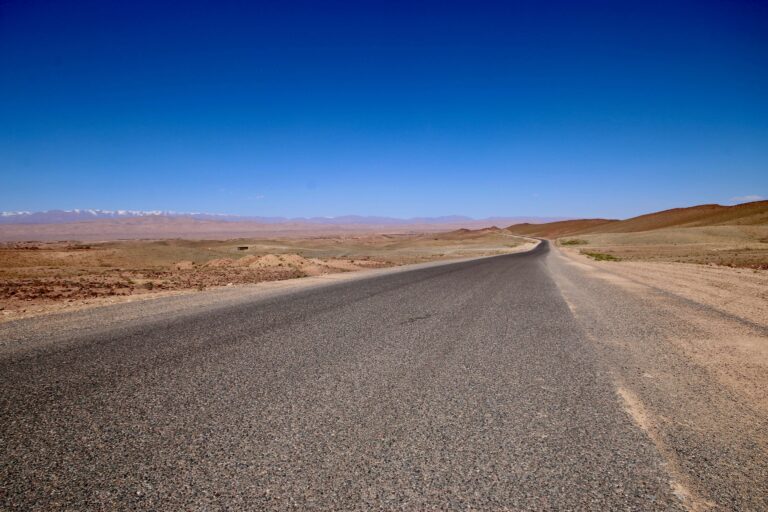
Arriving in Morocco, I had a rough itinerary – Marrakech, Essaouira, the Sahara, Fes. But I was flexible, open to ideas and willing to take a few detours.
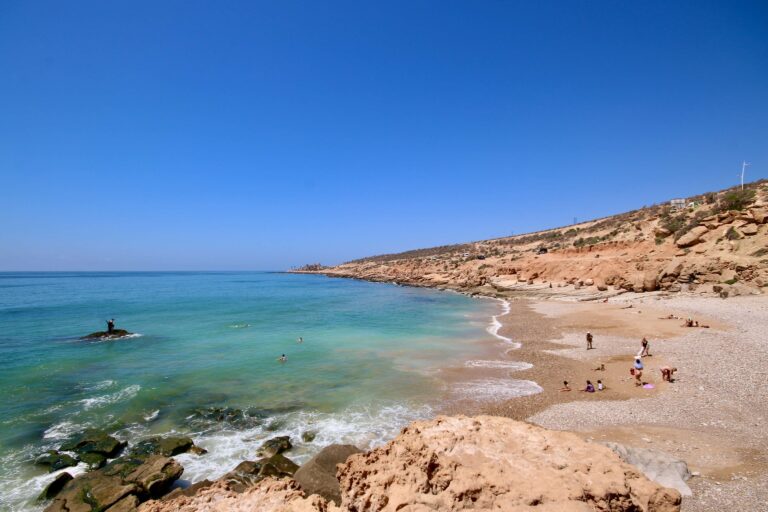
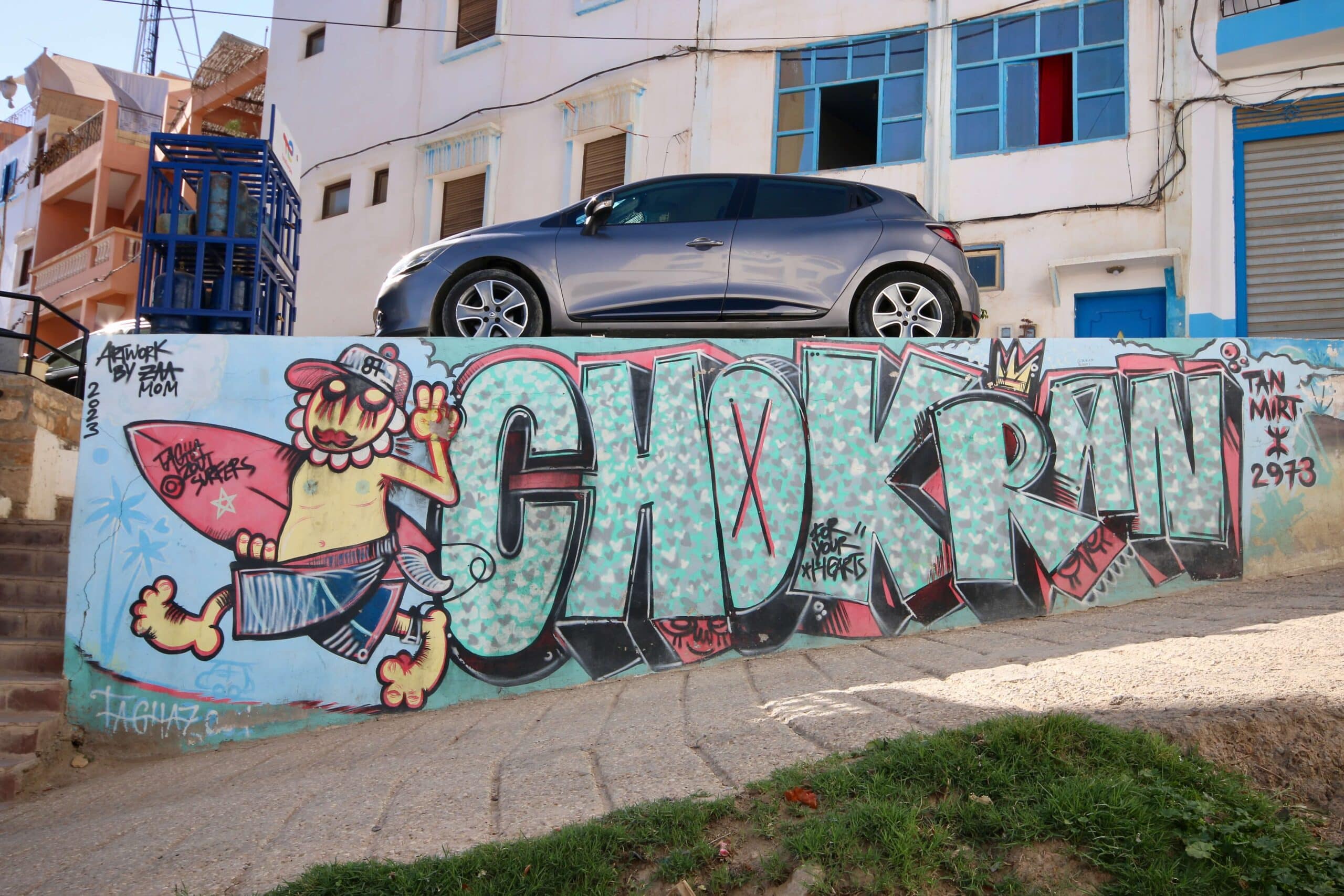
And that’s what ended up happening. I met a group of English girls in Essaouira who were heading to Taghazout, a small surf village that I’d never heard of. I decided to follow along for a few days of sand and sunshine, then continue on my own.
But I never left Taghazout. Well, not for another month, at least.
I ended up meeting an Amazigh man who would later become my husband and Taghazout became my new home.
More than 10 years later, I realise Morocco has given me far more than unforgettable memories….and a life partner! It has challenged my assumptions, stretched me far beyond my comfort zone and reshaped the way I see the world.
These are the lessons I never expected to learn.
Disclosure: This article may contain affiliate links, meaning I earn a small commission when you make a purchase. Affiliate links cost you nothing and ensure my content stays free!
People Matter More Than Places
When people ask what my favourite part of Morocco is, I always say the people. And that’s not just because I have family here now (that I love dearly).
While I’ve had incredible experiences camel trekking in the Sahara and wandering the blue streets of Chefchaouen, some of my favourite Morocco memories don’t involve famous places at all.
They involve being invited into someone’s home for Friday couscous. Being embraced with kisses by women I’ve only just met. Spending hours talking with people despite speaking very little of each other’s language.
Moroccans have taught me that hospitality isn’t something you offer because someone is a guest. It’s simply a way of living and ingrained in the local culture.
Growing up in Australia, I rarely experienced that kind of spontaneous generosity. That’s not to say people aren’t generous – they’re just more inclined to give through official channels and perhaps a little wary of “strangers”.
In Morocco, it’s almost ordinary to share what you have with others and people are always reaching out to connect on a human level.
Living in Morocco has taught me that travel isn’t just about ticking destinations off a list. It’s about connecting with people, understanding their lives and learning from their lived experiences. Oh, and laughing. Moroccans love to joke around.
Slower is Almost Always Better
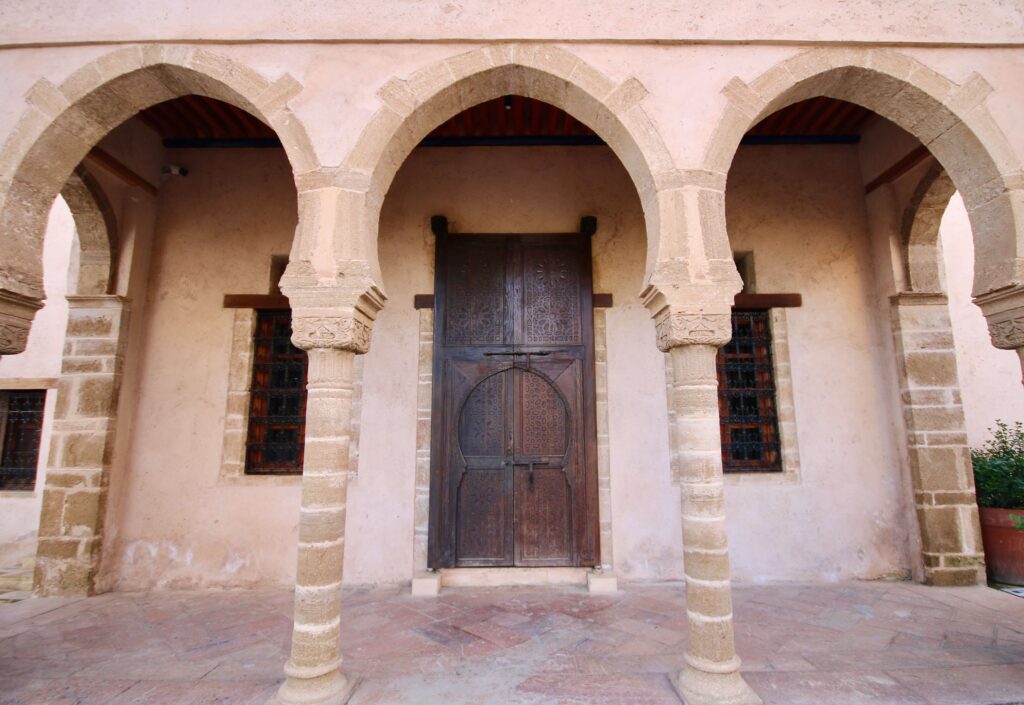
When I first visited Morocco, I planned on seeing everything in the space of a month. Marrakech. Fes. Chefchaouen. The Sahara.
But only a week in, that plan was derailed….temporarily at least.
For the record, I would eventually see everything that was on my “list”. I spent a few weeks surfing in Taghazout until my Moroccan boyfriend had time off work to accompany me on my adventures.
And we ended up taking things much slower than I would have if travelling alone. My boyfriend (now husband) loves to chat with people and everything takes longer – shopping for groceries at the market, ordering at restaurants, simply walking through a town.
At the start, I could feel myself getting frustrated. After all, I had places I wanted to see!
But over time, I realised that this slower pace of travel was actually far more rewarding. Some of my happiest days in Morocco have involved “doing” almost nothing but experiencing a lot.
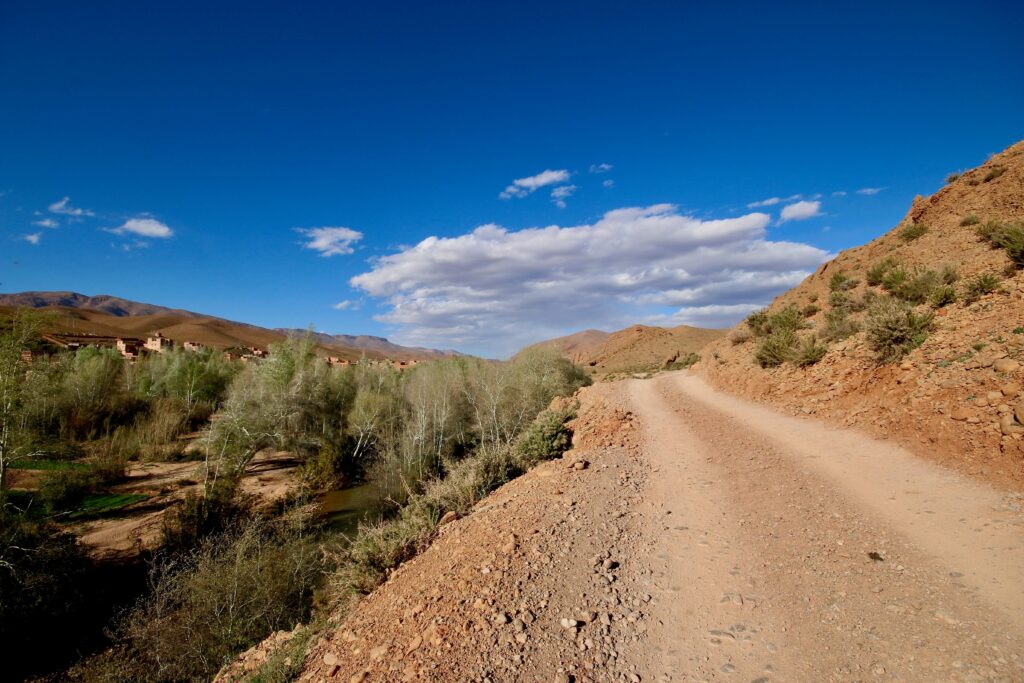
Hearing women chat while washing one another’s backs at a local hammam. Sitting beside a natural spring in Dades Gorge as flocks of sheep graze nearby. Listening to the call to prayer echo across the medina from a rooftop.
Morocco taught me that slowing down isn’t wasting time. It’s noticing all those little things that often go overlooked and really experiencing the place in which you are.
Community is Everything
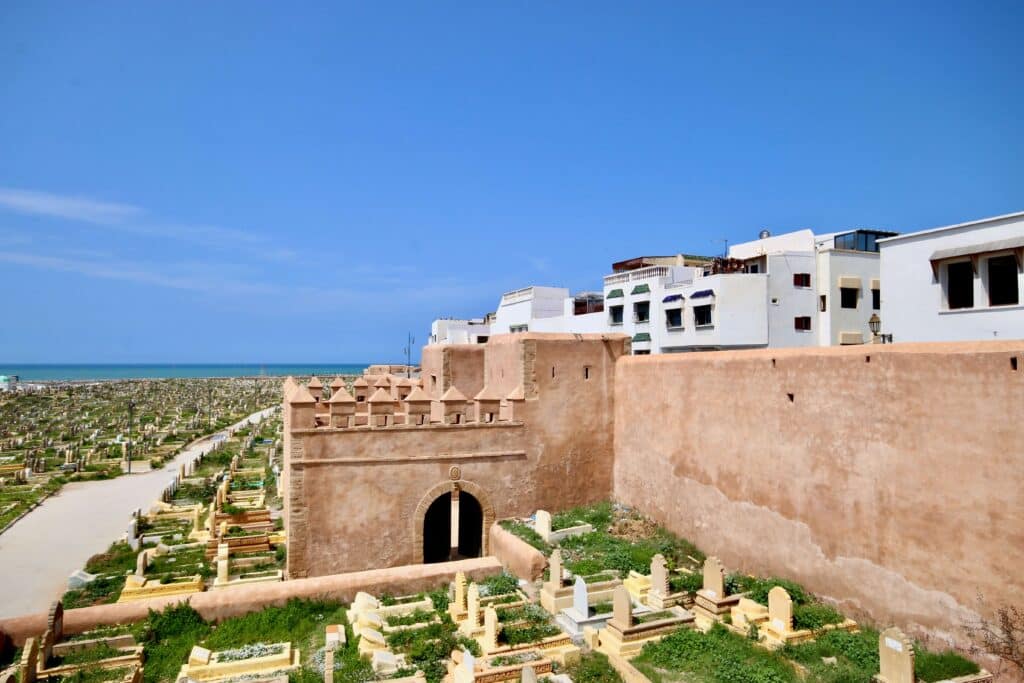
Living in a small Moroccan village was one of the biggest adjustments I ever made.
In Australia, independence is celebrated and when you go home at the end of the day, you usually stay within your property bounds. That’s not to say people aren’t sociable – many are involved in community activities and sport.
But it’s rare that people will sit outside their homes, chat with people walking by and create a sense of community in the neighbourhood itself.
In Morocco, community is everywhere and it really is prioritised. Neighbours check on one another as they’re walking through the street. Children play outside together. People share food without thinking twice.
In Morocco, life is rarely lived behind closed doors, and at first, that can seem like there’s a lack of privacy. Does everyone know everyone else’s business? Probably. But I think there are more “pros” than “cons” in that equation.
Now, I appreciate the sense of belonging that comes from knowing you’re part of something bigger than yourself. It’s a perspective I’ll carry wherever I go.
And I love that people are looking out for me…and I hope in time they know that I’m looking out for them too.
There Are Many Ways to Live a Good Life
Back in Australia, there’s a lot of focus on “getting ahead” and capitalism drives most people’s lives. I often see the pursuit of money, property and having a “safety net” comes at the expense of people’s mental health…and it’s only getting more pronounced with the cost of living crisis and housing shortages.
Subconsciously, I think I always linked material wealth to happiness, even though it was never discussed openly while I was growing up. My parents worked hard and I started working part-time from an early age, quickly discovering that money = travel opportunities = perceived happiness.
But in Morocco, I’ve met families with very little materially who seem genuinely content. Not because life is easy (it often isn’t) but because relationships, faith, family and community occupy a much more central place in their lives than possessions.
And in no way am I trying to romanticise hardship. Poverty is real and many Moroccans face significant challenges. But when material wealth isn’t prioritised, there are lots of other channels of contentment.
Living here has made me question the constant pressure to earn more, buy more and achieve more. It seems like this is a superficial pursuit of happiness that you could constantly chase and never feel content in the true sense of the word.
I’m starting to realise that living a good life (for me anyway) is about showing kindness to others (in the way Moroccans have shown it to me), being more community-minded and experiencing the beauty of all the small things that I previously overlooked.
Travel Should Leave Places Better Than We Found Them
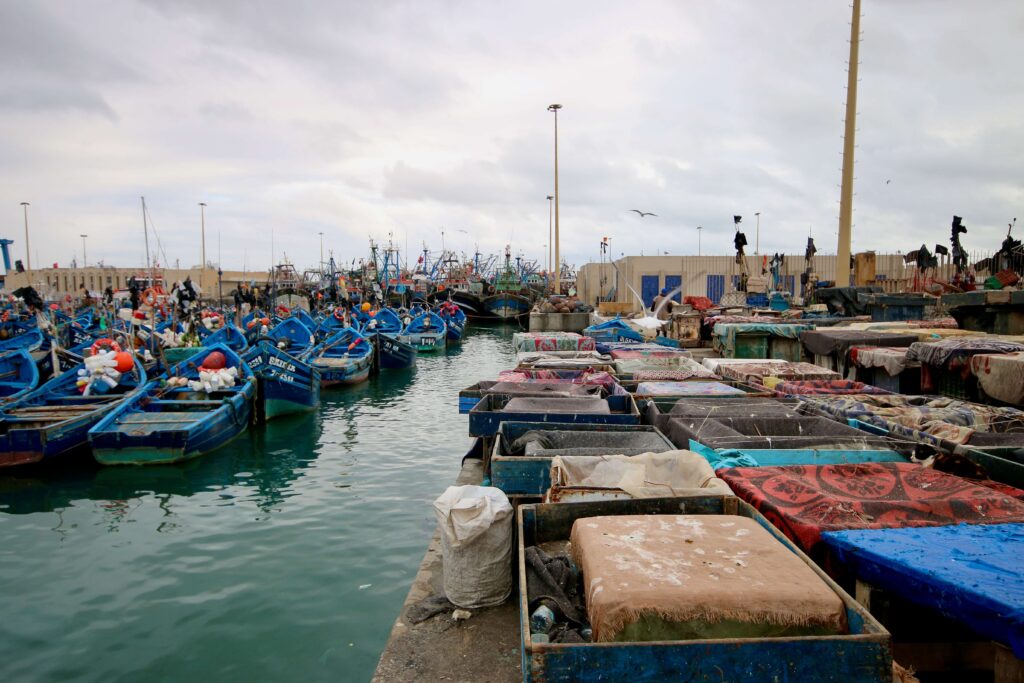
Maybe it’s an “age thing” or that I’m getting weary of the extractive travel influencer space, but the more time I’ve spent in Morocco, the more aware I’ve become of tourism’s negative impact.
I’ve seen traditional communities being demolished to make way for bigger developments once they’ve become tourist “hotspots”. I’ve heard Moroccans struggling to get into local real estate markets because all of the properties are being snapped up by foreigners.
It’s made me rethink the kind of traveller I want to be and what I want to support. After all, tourism dollars are powerful and they can be used as a force for good.
These days, I try to choose locally owned accommodation whenever I can and stay at surf camps run by Moroccans that employ Moroccan guides.
If I’m shopping in the souks, I prefer to buy products directly from artisans in their workshops, rather than mass-produced souvenir shops (where the products may be foreign-manufactured).
Wherever possible, I book guides from the communities I’m visiting and rarely do I join tours that are led by international guides. That’s not to say you shouldn’t, particularly if there’s peace of mind travelling with a fellow countryman/woman.
But it’s worth considering how and where you spend your money, and who benefits (and not just from low-paid jobs in otherwise foreign-owned businesses).
In Morocco, I’ve seen first-hand how tourism can be an incredible force for good, particularly in remote communities with few other employment opportunities. But it only works if we, as travellers, support them.
Language is About Connection, Not Perfection
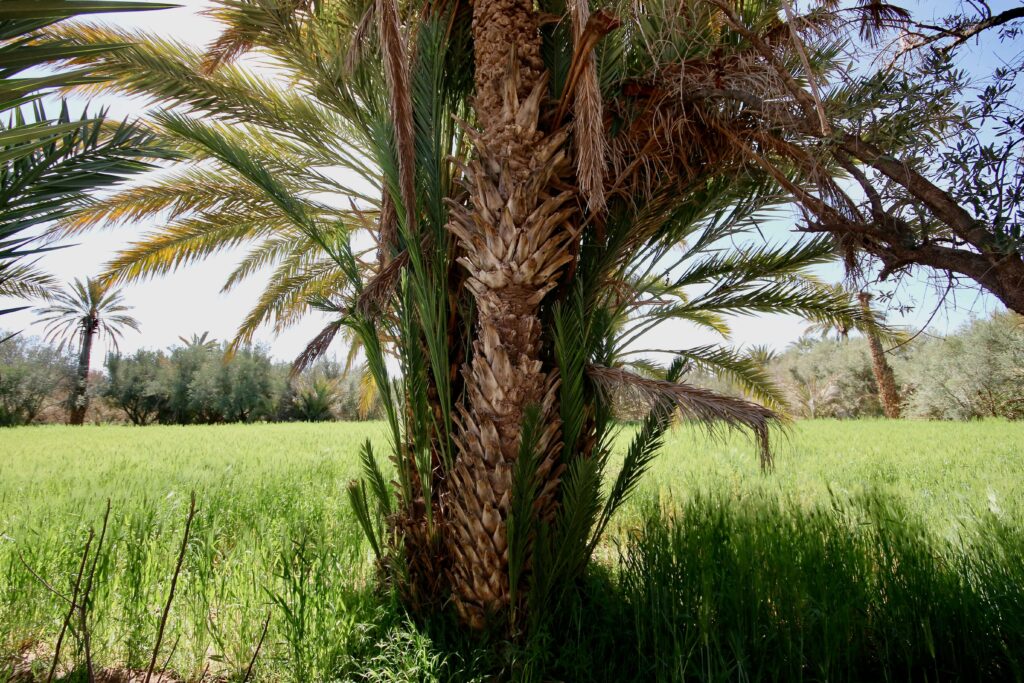
When I first arrived in Morocco, I had a bit of French up my sleeve (I studied for a couple of years at school) and I quickly picked up salaam alaikum and shukran (“peace be upon you” and “thank you” in Darija).
But more often than not, I would bumble out a few words of broken French or Darija and the person would gracefully switch to English to make me feel more comfortable.
Generally speaking, Moroccans are incredibly talented when it comes to speaking multiple languages.
That said, I think most Moroccans appreciate if you try to speak in one of their languages (Darija or Amazigh), even if it’s far from perfect.
They’ll switch to English or French if they speak either…and if not, it kind of puts you on an even playing field. You don’t speak their language. They don’t speak yours. And you have to find another solution…which you always do!
I still make mistakes constantly and have come to realise that when learning another language, perfection isn’t the goal. Connection is.
Even a handful of local words can show that you are culturally curious and it changes conversations completely. It shows respect and, most importantly, it reminds people you’re making an effort.
You can learn a few Darija phrases to accompany your Moroccan adventure here.
Travel is a Never-Ending Education
If you’d told me 10 years ago that I’d marry a Moroccan, live in a small surf village on the Atlantic coast and connect with travellers across the globe through writing about this country, I wouldn’t have believed you. None of it was part of the plan.
And after more than a decade, I still don’t pretend to understand everything about Morocco. Far from it. There are customs I’m still learning. Places I’ve yet to visit. Conversations I still misunderstand.
And I think that’s one of the greatest gifts this country has given me. It has taught me to remain curious and ask questions, instead of making assumptions. To embrace difference, rather than fear it and to look at what I can learn from other cultures about how to live a good life.
After travelling to more than 100 different countries, I know that Morocco isn’t perfect. No country is.
But it has challenged me and broadened my perspective in ways I never expected when I boarded that flight back in 2014. Most importantly, it has provided me with so many incredible experiences, connections that will resonate for life and a love story that I’ll never take for granted.
PLAN YOUR TRIP WITH MY FAVOURITE RESOURCES:
Find hotels via Booking
Book tours and attractions via Viator or GetYourGuide
Find a rental car via Discover Cars
Book flights via Kiwi or Booking
Search for buses and trains via 12Go or Omio
Get travel insurance via SafetyWing
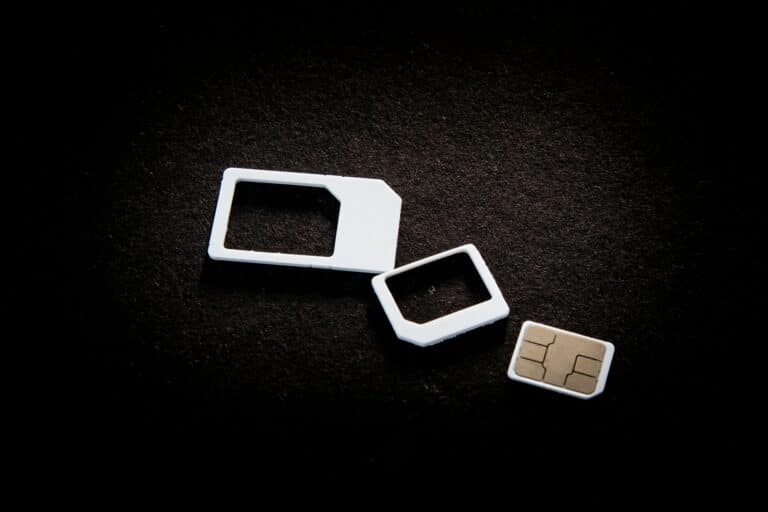
Buy a digital eSIM with Airalo
By purchasing through my links, you’ll be supporting my website at no additional cost to you


I’m Malika, an Australian-born travel writer with an intense love for Morocco. I first travelled here solo in 2014 and after meeting (and marrying) a local, I made this North African gem my home. Since that time, I have explored the country extensively, travelling to all corners with my partner, friends and on my own.
Morocco is an incredible destination and one that I think everyone who has the “travel bug” should experience. The scenery is spectacular, the medinas are enchanting and the locals are among the friendliest (and funniest) people I’ve ever met.
I also know that Morocco can feel intimidating for first-time solo travellers, especially given the amount of conflicting advice shared online. That’s why I’ve created this guide: to provide practical, balanced, and up-to-date advice based on my own experiences. My hope is that it helps you travel with confidence and enjoy everything this extraordinary country has to offer.